
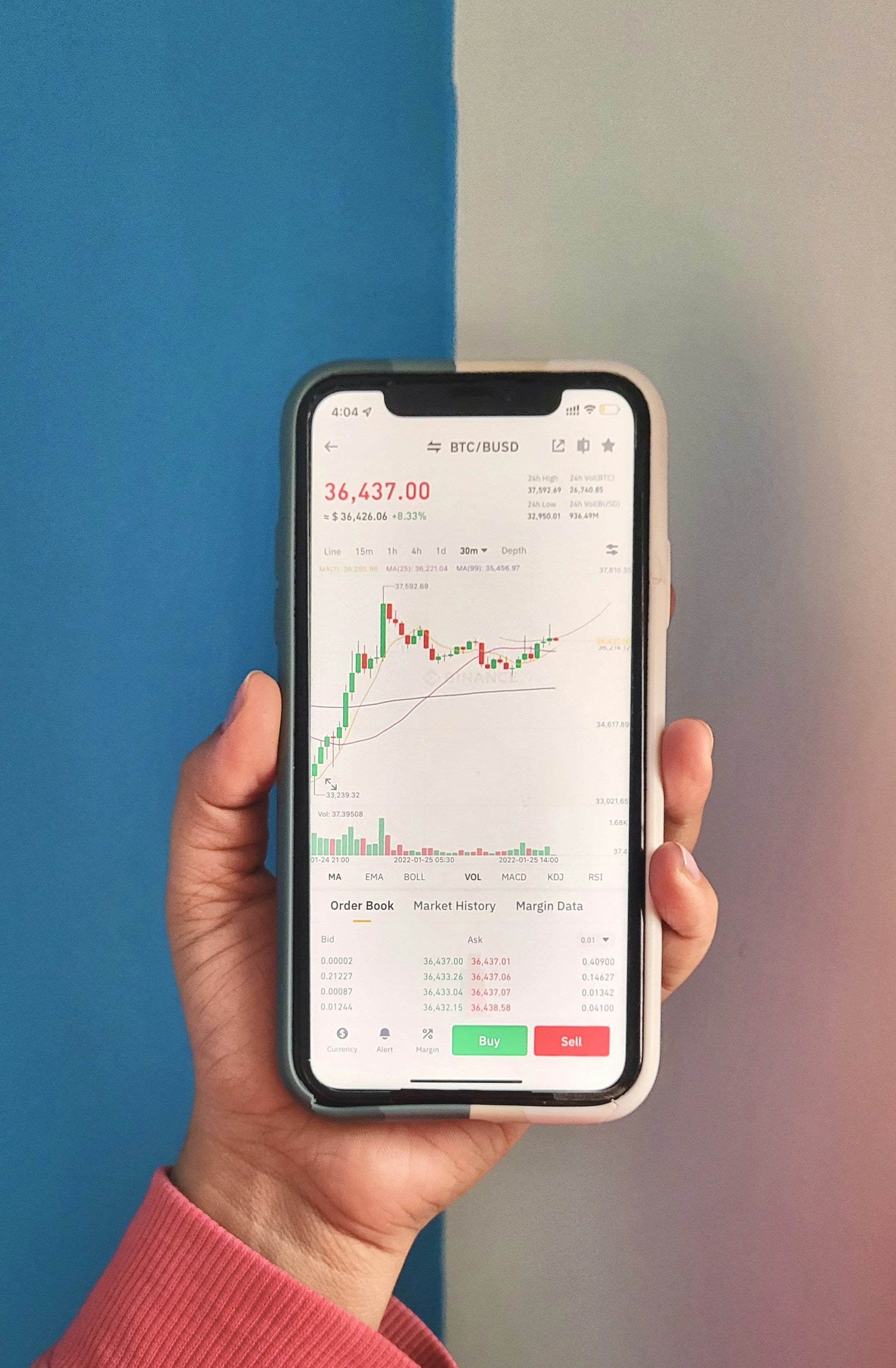
Understanding Bitcoin’s Market Dynamics
Bitcoin, as a decentralized digital currency, operates in a highly volatile market characterized by rapid price fluctuations. Several fundamental factors contribute to this volatility, influencing Bitcoin’s pricing and market behavior. One of the primary drivers is the concept of supply and demand. As the interest in Bitcoin increases, so does the demand, often leading to pronounced price surges. Conversely, when demand decreases, it can cause significant price drops.
Another crucial aspect of Bitcoin’s market is margin trading, where traders borrow capital to increase their exposure in the market. This practice can amplify both gains and losses, resulting in heightened volatility. Liquidations occur when the price of Bitcoin moves significantly against a trader’s leveraged position, triggering the automatic selling of assets to cover losses. This process can lead to sharp price movements, especially when a large number of positions are liquidated simultaneously.
The role of institutional and retail investors is also pivotal in shaping Bitcoin’s market dynamics. Institutions often bring substantial capital into the market, influencing its movement and adding layers of complexity to price behavior. The participation of retail investors, while more erratic, also contributes significantly to market trends, with sudden buying or selling sprees capable of driving prices in unprecedented directions.
Global economic conditions, regulatory news, and technological advancements further intertwine with these basic supply and demand principles to create a vibrant and often unpredictable market environment. By understanding these dynamics, investors can better navigate the intricacies of Bitcoin’s pricing trends and prepare for potential consequences stemming from significant price shifts.
The Mechanics of Liquidation in Cryptocurrency Trading
Liquidations play a crucial role in cryptocurrency trading, particularly in the context of Bitcoin. When traders utilize leverage, they borrow funds to open larger positions than their actual capital would allow. This amplifies potential returns but also increases risk. A liquidation occurs when the market price of an asset moves sharply against a trader’s position, leading to a situation where their current equity falls below the required maintenance margin. In Bitcoin trading, this often happens during rapid price fluctuations, which can trigger significant liquidation events.
One key mechanism that leads to liquidation is the margin call. A margin call occurs when a trader’s equity falls below a predefined threshold. If the trader fails to deposit additional funds or close positions to restore the required margin, the trading platform will automatically liquidate their holdings to mitigate the risk to the lender. During periods of high volatility, such as the recent surge in Bitcoin’s price, the number of margin calls can increase dramatically, leading to a cascade of liquidations across the market. This phenomenon can exacerbate price movements, often resulting in further declines that impact other traders.
The financial implications of liquidations extend beyond individual traders. For instance, with an estimated $15 billion at stake following a recent price surge, mass liquidations can significantly influence market liquidity and price stability. When large positions are forcibly closed, it can lead to sell pressure, contributing to further market declines. This not only affects traders directly involved in the liquidation but can also shake investor confidence and affect the overall cryptocurrency ecosystem. Understanding the mechanics behind liquidation and its potential repercussions is essential for traders who wish to navigate the volatile landscape of Bitcoin effectively.
Examining Market Reactions to Price Surges
Historically, Bitcoin has experienced several sharp price increases that significantly impacted market dynamics. These surges often trigger distinct behavioral patterns among traders and investors, influenced by trader psychology and market sentiment. For example, a sudden 15% price surge typically ignites heightened discussions on social media platforms and forums, leading to a widespread sense of excitement and speculation.
One critical trend observed during such surges is the phenomenon known as “fear of missing out” (FOMO). When Bitcoin’s price begins to rise sharply, many traders rush to purchase the asset, fearing that they might miss an opportunity to profit. This influx of buying activity can further drive the price up, creating a feedback loop that amplifies the initial surge. Historical data shows that during significant price increases, previous resistance levels can quickly become new support levels as market sentiment shifts from caution to optimism.
Conversely, a rapid increase in Bitcoin’s price can also lead to panic selling among some traders. As prices rise, those who might have entered at lower prices may feel pressured to lock in profits, thereby contributing to market volatility. This contrasting response often results in heightened fluctuations in trading volume and price accuracy in a short span. Additionally, as traders leverage their positions, forced liquidations can occur if insufficient capital exists to support margin calls, further weakening market stability.
Analyzing past incidents of price surges reveals that the aftermath often involves a recalibration of market sentiment, with varying degrees of optimism and caution settling among participants. The larger implications of such movements may also cultivate a more dynamic trading environment, influencing longer-term market trends and investor strategies.
Potential Outcomes of the $15 Billion Liquidation Event
The cryptocurrency market is inherently volatile, and a notable price surge, such as a 15% increase in Bitcoin’s value, could lead to significant financial implications. Should the price of Bitcoin experience this surge, resulting in $15 billion worth of liquidations, the immediate impact on the asset itself will likely be pronounced. Increased buying activity could lead to further appreciation of Bitcoin’s value, creating a vicious cycle of rising prices and heightened investor enthusiasm. This intensified demand may attract new capital into the market, bolstering not only Bitcoin but the entire cryptocurrency ecosystem.
In the short term, the surge could enhance investor sentiment, leading to a heightened perception of Bitcoin as a robust asset class. Enthusiastic market participation could generate increased media attention, which tends to drive more investors—both retail and institutional—into the market. This rally could inevitably heighten competition among cryptocurrencies; altcoins may surge in correlation with Bitcoin’s upward momentum, reflecting a ripple effect across the broader market.
However, the long-term implications could vary considerably. While a short-term price increase can create excitement and attract new participants, it may also set the stage for increased regulatory scrutiny. Given the growing concerns about market manipulation and investor protection, regulators may feel compelled to impose stricter rules if significant liquidations and volatile price movements become commonplace. This heightening of regulations could create challenges for both existing investors and new entrants into the market.
Finally, following a substantial price increase driven by such liquidations, there is a likelihood of market corrections as profit-taking occurs. These corrections can lead to short-term volatility, posing risks for investors who may have entered at the peak. Balancing these potential outcomes will be crucial for maintaining overall market stability and fostering long-term growth in the cryptocurrency sector.