
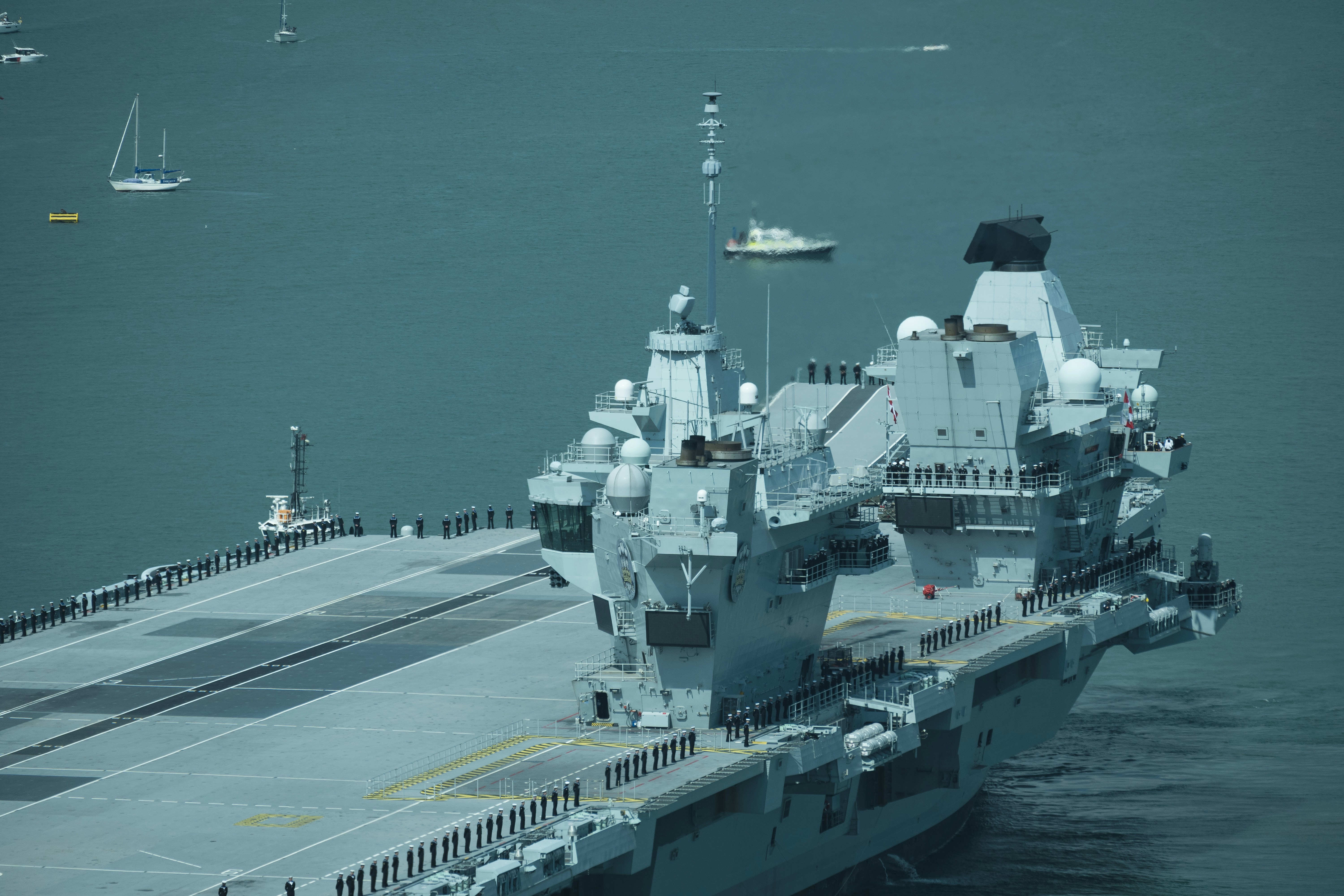
Overview of the Incident

On a recent deployment in the Red Sea, the USS Gerald R. Ford, the lead ship of its class, experienced a fire incident that raised immediate concerns among its crew and the operational command. The fire broke out in the laundry area of the vessel while it was conducting routine operations. This event highlighted the potential hazards faced by naval vessels, even when engaged in non-combat missions. The timeline of the incident began in the early hours, when crew members detected smoke emanating from the laundry room. Quick action was paramount in this situation, as fires onboard naval ships can escalate rapidly, posing risks to both personnel and equipment.
Within minutes, the ship’s crew initiated emergency protocols which involved activating the fire suppression systems while also conducting a thorough assessment of the affected area. The swift response showcased the extensive training and preparedness of the personnel onboard. Firefighters quickly donned protective equipment and entered the laundry area, utilizing onboard firefighting equipment to bring the situation under control.
Fortunately, the incident did not result in any injuries among the crew. However, it did necessitate a reassessment of the ship’s ongoing mission. The USS Gerald R. Ford had been scheduled to conduct a series of naval exercises, and this incident temporarily stalled those operations. The command implemented an investigation to determine the cause of the fire, while also evaluating the extent of any damage to ensure the ship’s continued operational capability.
Following the incident, the USS Gerald R. Ford received attention for its resilience, as well as the effectiveness of its crew’s response. The vessel subsequently set a course for Crete, allowing for both a necessary operational pause and the opportunity to conduct further assessments and repairs. This incident serves as a reminder of the inherent risks of naval operations and the importance of preparedness at sea.
Response and Damage Control Efforts
The crew aboard the USS Gerald R. Ford acted swiftly in response to the fire incident that occurred while the aircraft carrier was underway. Immediate measures were initiated following the detection of smoke in one of the ship’s lower compartments. The firefighting teams, specifically trained for such emergencies, were promptly dispatched to contain and extinguish the fire using onboard firefighting resources.
Firefighting efforts included the application of high-pressure water hoses and the use of foam agents to suppress the flames effectively. The crew displayed exemplary teamwork and adherence to emergency protocols, ensuring maximum efficiency during the operation. Additionally, ventilation systems were strategically employed to clear smoke and mitigate the potential spread of fire to other sections of the vessel.
Aside from the swift response of the crew, the ship’s advanced firefighting systems, such as automated sprinklers and fire suppression systems, were activated to further aid in damage control. Despite the comprehensive response, a few crew members sustained minor injuries, primarily smoke inhalation and minor burns, which were promptly treated by the onboard medical team, ensuring their swift recovery.
Upon the completion of firefighting operations, a thorough assessment of the damage ensued. Initial evaluations indicated that while the fire had caused localized damage to the compartment, critical systems aboard the USS Gerald R. Ford remained intact and operational. The damage was primarily confined to non-essential areas of the ship, sparing vital components necessary for the carrier’s functionality and mission readiness.
The success of the damage control and response efforts underscores the robust training regimen the crew undergoes, highlighting their preparedness for such emergencies. The coordinated actions taken during the incident not only minimized potential losses but also bolstered the morale and confidence of the crew in their ability to handle crises.
Current Status of the USS Gerald R. Ford
The USS Gerald R. Ford, the lead ship of its class, is currently en route to port in Crete following a recent fire incident that raised concerns regarding its operational readiness. Fortunately, preliminary assessments indicate that the ship has sustained no significant structural damage. Crews have been engaged in firefighting protocols, allowing them to contain the blaze effectively, thus preventing extensive harm to critical components. However, a thorough evaluation of the ship’s systems is underway to ensure all equipment remains functional.
As the USS Gerald R. Ford approaches Crete, onboard personnel are conducting routine checks and repairs where necessary. The ship’s operational capabilities may be temporarily compromised, particularly in areas directly impacted by the incident. Key systems, including propulsion and combat systems, will be scrutinized to ascertain their integrity and performance post-incident. Should malfunctions be detected, maintenance crews are prepared to address these issues promptly, albeit potentially impacting the ship’s deployment schedule.
This incident has inevitably prompted questions regarding the USS Gerald R. Ford’s immediate operational objectives. While it has proven to be resilient thus far, operational commanders are currently reassessing mission timelines and capabilities in light of the recent events. It is essential that the ship returns to full operational capacity before engaging in future missions, particularly given the strategic importance of its presence in the region.
In conclusion, while the USS Gerald R. Ford is on its way to Crete for evaluation and repairs, its overall status remains cautiously optimistic. The upcoming maintenance will determine the timeline for its return to active service, and the Navy is dedicated to ensuring that all necessary steps are taken to restore the vessel to its full operational readiness.
Implications for Future Naval Operations
The recent fire incident aboard the USS Gerald R. Ford has raised significant concerns regarding naval operations and the inherent safety protocols that govern them. As naval assets become increasingly sophisticated, the complexity of operations necessitates stringent adherence to safety measures to prevent similar occurrences. The investigation into the fire will likely prompt a thorough review of existing protocols and highlight areas that require improvement. Such scrutiny reiterates the importance of a proactive approach to safety in naval operations.
Training for the crew serves as a critical component in enhancing operational readiness. In instances where safety protocols are found lacking, the need for rigorous training regimens becomes paramount. Enhanced training programs incorporating practical fire drills and emergency response scenarios will prepare crew members for effective decision-making under crisis conditions. This focus on preparedness aims not only to mitigate risks but also to cultivate a culture of safety and readiness among all personnel involved.
Furthermore, incidents like the fire on the USS Gerald R. Ford can potentially influence future deployments. Commanders and planners may have to consider not only the operational capabilities of their vessels but also the safety of their crews when strategizing voyages. Military readiness, often characterized by the ability to deploy at a moment’s notice, could be affected as safety assessments and protocol reviews take precedence. As the navy reviews its procedures, it must also account for the implications that such incidents have on morale and operational confidence among the fleet.
You might also like:
- Rejecting Toxic Health Culture with Casey Johnston
- Understanding Tether Gold (XAUT): A Live Data Analysis
- Asian Markets Rally: A Strong Day Following US Stock Surge
- The Impact of Rising Housing Costs in the UK: Exploring the Trends and Solutions
- Understanding the Current State of Singapore’s Financial Market
