
Market Performance Summary
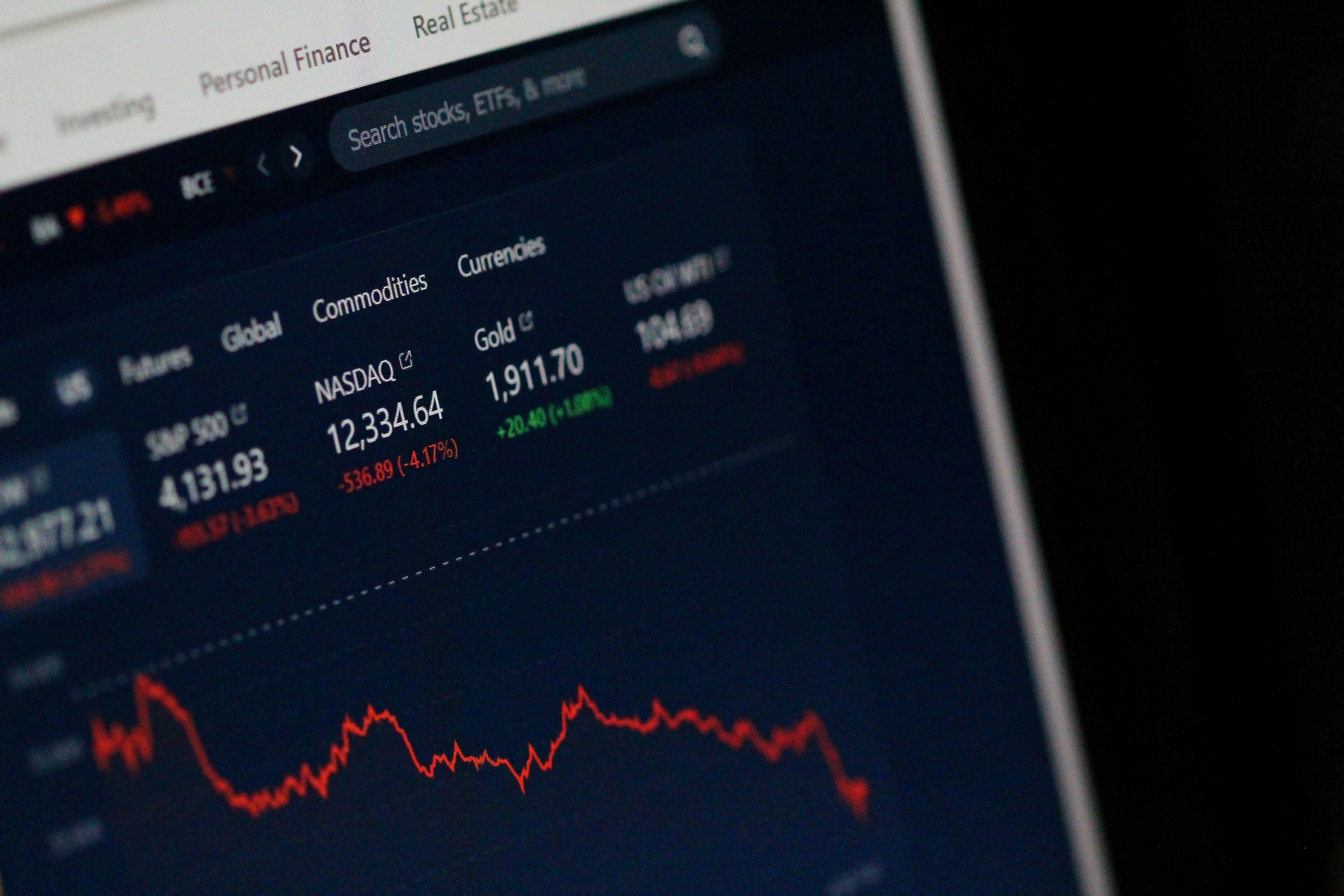
On November 6, the US stock market experienced a notable decline, with the major indices reflecting a general bearish sentiment. The Dow Jones Industrial Average finished the day lower, closing down approximately 0.84%. This downturn was a clear indication of the broader market trend, as investor concerns were heightened by various economic indicators and geopolitical developments.
Other significant indices mirrored the performance of the Dow. The S&P 500 also recorded a decrease, falling by about 0.75%. The Nasdaq Composite faced an even steeper decline, closing down around 1.2%. This drop highlighted the challenges faced by technology stocks, which had previously been a major driver of market gains. Each of these indices, representing a diverse array of sectors, displayed a common trend of declining stock values during this trading session.
Sector performance varied significantly, with defensive sectors such as utilities and consumer staples managing to hold their ground reasonably well, while cyclical sectors, including energy and materials, were hit hard. Energy stocks were particularly sensitive to changes in oil prices, which saw fluctuations due to ongoing global supply concerns. The overall market response suggested an increasing wariness among investors, leading to heightened volatility.
Amid the downturn, trading volumes were above average, indicating that market participants were actively engaging with the perceived risks in the current economic landscape. This session’s results underscored the fragility of the market, with a clear call for caution among investors. As market participants continue to assess the potential ramifications of global events on economic stability, the bearish trend observed on November 6 presents a compelling case for vigilance in portfolio management.
Technology Stocks Under Pressure
On November 6, technology stocks, particularly those linked to Artificial Intelligence (AI), experienced notable pricing pressure. This decline can largely be attributed to a confluence of factors, including disappointing earnings reports, shifting investor sentiment, and broader economic conditions that are causing uncertainty in the marketplace. Companies in the technology sector, especially those focusing on AI innovations, had laid expectations regarding their performance that, in many instances, fell short during this earnings season.
Recent earnings reports revealed that several prominent technology firms underperformed relative to market expectations. These underwhelming results fed through to investor sentiment, causing a ripple effect across technology stocks. Investors, who had previously displayed fervent optimism towards AI technologies, became more cautious, leading to a re-evaluation of their positions. This shift in sentiment has resulted in significant sales of tech stocks, thereby exerting downward pressure on their prices.
In addition, macroeconomic factors have played a crucial role in influencing market performance. The potential for rising interest rates, concerns over inflation, and ongoing geopolitical tensions have collectively contributed to an atmosphere of uncertainty. Investors are increasingly prioritizing stability and are thus drawn to less volatile sectors, creating a challenging environment for technology stocks, which often venture into uncharted territories with their AI-related developments.
Furthermore, the competitive landscape in the technology sector, particularly in AI, has intensified. Companies are vying for a limited pool of investor attention and funds, leading to heightened scrutiny of their business models and growth prospects. As a result, even minor setbacks in performance can lead to amplified reactions from investors. Consequently, the challenges faced by technology stocks, particularly those involved in AI, are multifaceted, encompassing earnings disappointments, sentiment shifts, and economic pressures, which together paint a complex picture of the current market dynamics.
Macroeconomic Factors Influencing the Market
As of November 6, various macroeconomic factors are significantly influencing the US market, notably inflation rates, interest rates, and key economic indicators. Investors are particularly attentive to these elements, which have contributed to a climate of uncertainty and selling pressure across multiple sectors. One of the primary concerns in the current environment is the persistent inflationary pressure that has characterized the economy in recent months. As prices continue to rise, consumer purchasing power diminishes, posing challenges for both businesses and consumers.
Moreover, the Federal Reserve’s monetary policy plays a critical role in shaping market dynamics. The central bank has signaled potential interest rate hikes to combat rising inflation, which tends to make borrowing more expensive. Higher interest rates often lead to reduced consumer spending and investment. Consequently, these dynamics create a ripple effect through various sectors, notably in housing and consumer discretionary industries, where sensitivity to rate changes is heightened.
Additionally, key economic indicators such as employment figures, GDP growth, and manufacturing output are watched closely by analysts and investors alike. Recent reports indicating stronger-than-expected job growth and rising wages may suggest a robust economy, yet they could also fuel concerns about sustained inflation. Investors are therefore caught in a conundrum, weighing the potential for continued economic growth against the backdrop of rising costs and interest rate adjustments.
In light of these factors, market participants exhibit caution as they navigate these uncertain waters. The interplay between inflation, interest rates, and economic indicators creates a complex marketplace where decisions are influenced by the latest developments and forecasts. As such, this environment necessitates vigilant monitoring to anticipate how these macroeconomic trends may evolve and impact investment strategies moving forward.
Looking Ahead: Market Predictions and Trends
As investors reflect on the downturn experienced in the US market on November 6, a key area of interest lies in the future trends and predictions that may shape market behavior in the coming weeks. Market analysts emphasize the importance of monitoring macroeconomic indicators, such as employment rates, inflation figures, and consumer confidence data, which can provide vital insight into the economy’s health and its potential impact on the financial markets.
One prevalent prediction from market experts is the expectation of increased volatility in the short term. This anticipated fluctuation can be attributed to ongoing geopolitical tensions, changing fiscal policies, and the uncertainty surrounding monetary policy decisions by the Federal Reserve. Observers suggest that interest rate movements will be particularly influential, as investors seek to understand the implications of any potential changes on borrowing costs and overall economic growth.
Moreover, sectors such as technology and healthcare may present opportunities for recovery amidst the broader market challenges. Analysts point out that resilient companies within these sectors could provide safer investment avenues, as they have demonstrated consistent growth patterns even during tougher economic climates. Investors should keep a keen eye on earnings reports and guidance from these industries, as they may signal promising areas for investment.
Furthermore, experts recommend maintaining a diversified portfolio to mitigate risks associated with market downturns. By incorporating a mix of equities, bonds, and other asset classes, investors can potentially enhance their long-term financial stability. Communication with financial advisors can aid in adjusting strategies to align with evolving market conditions.
In conclusion, staying informed about economic indicators, sector performance, and diversification strategies will be essential for investors navigating this uncertain terrain. With the right knowledge and adjustments, opportunities can arise even in the face of market downturns.