
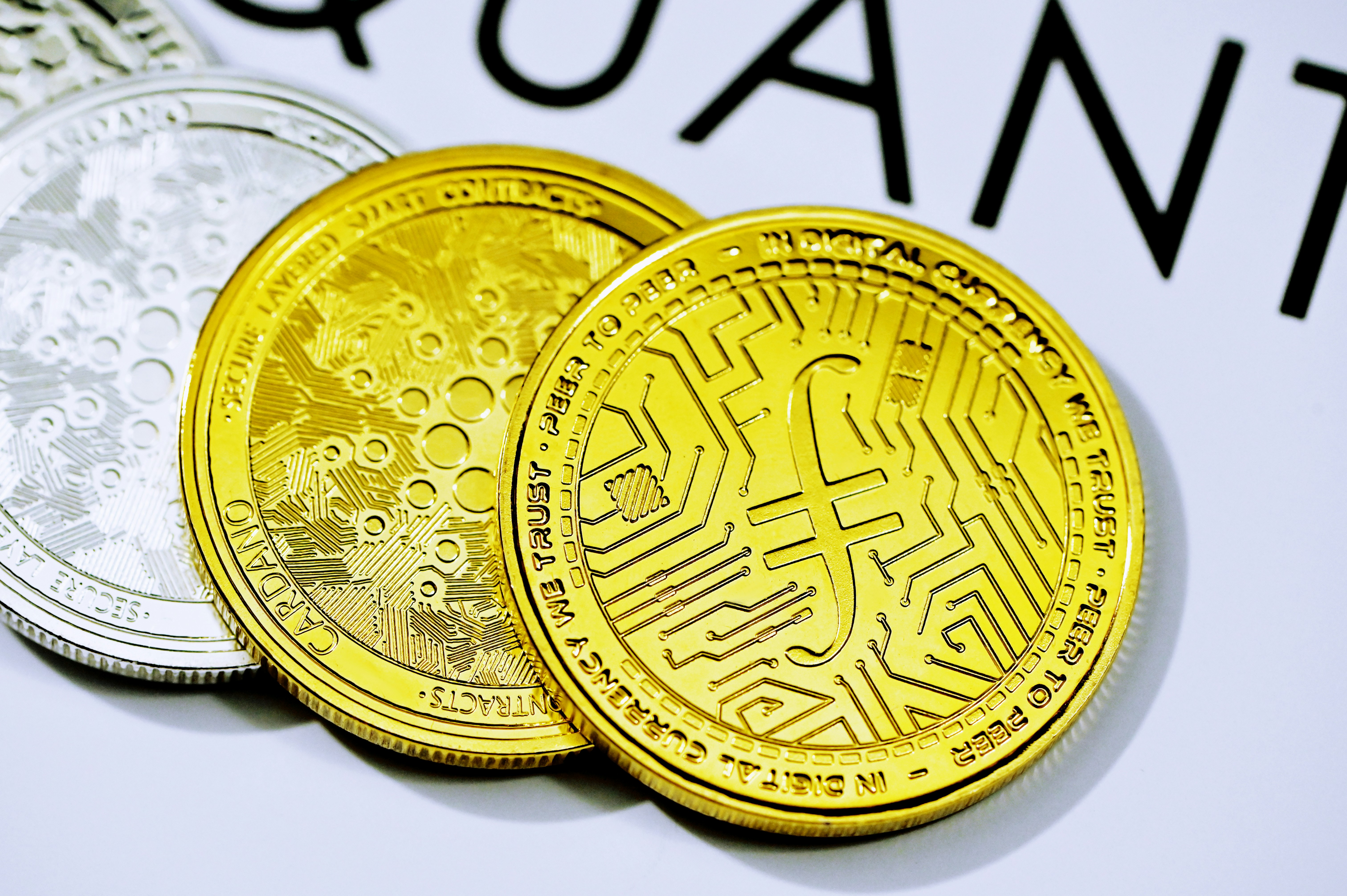
Introduction to SOL Coin
SOL Coin serves as the native cryptocurrency of the Solana blockchain, which has rapidly emerged as a significant player in the cryptocurrency landscape. Designed to facilitate scalable decentralized applications and high-throughput transactions, SOL Coin plays a crucial role in the ecosystem. The principal purpose of SOL Coin is to function as a utility token that enables users to participate in transaction fees, staking, and governance mechanisms within the Solana network.
The underlying technology of Solana is characterized by its innovative Proof of History (PoH) consensus mechanism, which allows for faster transaction processing and increased scalability compared to other blockchain platforms. This unique approach combines cryptographic data structures to provide a secure and efficient method for validating transactions. As a result, the Solana network can handle thousands of transactions per second, making it an appealing choice for developers seeking to deploy high-performance decentralized applications (dApps).
The surge in popularity of SOL Coin can largely be attributed to the growing interest in decentralized finance (DeFi), non-fungible tokens (NFTs), and other blockchain-based innovations that require a robust and efficient infrastructure. Solana’s unique capabilities have led to an increasing number of projects launching on its platform, thereby creating higher demand for SOL Coin. Furthermore, the attractiveness of the Solana ecosystem is enhanced by its low transaction costs and seamless user experience, which encourage broader adoption.
As we delve deeper into the recent performances and significance of SOL Coin in the cryptocurrency market, understanding its foundational role within the Solana blockchain will provide valuable insights into its future trajectory. The rise of SOL Coin not only reflects the transition of the cryptocurrency landscape but also highlights the innovative technologies that drive these changes.
Current Market Trends and Performance
As of October 2023, SOL Coin, the native cryptocurrency of the Solana blockchain, has garnered significant attention in the cryptocurrency market. The price movements of SOL Coin have exhibited notable volatility, reflecting broader market trends. In recent weeks, the coin has experienced fluctuations influenced by diverse factors, including regulatory announcements, macroeconomic conditions, and shifts in investor sentiment.
Market capitalization is a critical indicator of SOL Coin’s standing within the ever-evolving cryptocurrency landscape. Current estimates place its market cap among the top ten cryptocurrencies, which is indicative of the growing interest in Solana and its technological potential. The market capitalization also correlates with trading volume, capturing both the liquidity and investor participation surrounding SOL Coin. Increased trading volumes signify a healthy demand, suggesting that SOL Coin remains a favored choice among traders and investors alike.
One of the prominent factors influencing the price of SOL Coin is the overall sentiment prevailing in the cryptocurrency market. Positive news related to technological advancements, partnerships, and ecosystem development has often resulted in upward price movements. Conversely, market corrections and negative news can lead to declines. Additionally, broader economic trends, such as interest rates and inflation, continue to play a role in investor behavior toward cryptocurrencies, including SOL Coin.
Furthermore, the trading dynamics within decentralized finance (DeFi) and non-fungible tokens (NFTs) markets significantly affect SOL Coin’s attractiveness. As Solana increasingly captures market share in these sectors, the demand for its cryptocurrency is likely to grow. In the rapidly changing landscape of cryptocurrencies, market trends and performance metrics will remain critical for potential investors seeking opportunities in SOL Coin and beyond.
Technological Innovations Driving Solana
Solana has emerged as a noteworthy player in the cryptocurrency landscape, largely due to its advanced technological innovations. At the core of its architecture is the unique Proof of History (PoH) consensus mechanism. This mechanism allows Solana to timestamp transactions efficiently, creating a historical record that verifies the sequence of events. Unlike traditional blockchain protocols that require all nodes to process and validate every transaction, PoH enables Solana to run with greater speed and efficiency. By providing a precise and verifiable timeline, PoH supports the scalability that distinguishes Solana from many of its competitors.
Scalability is another crucial feature propelling Solana’s rise in the crypto world. The platform is designed to support thousands of transactions per second without compromising on performance, setting a benchmark in the blockchain domain. By utilizing a combination of innovative technologies such as parallel transaction processing and optimized networking protocols, Solana achieves remarkable throughput. This capability not only enhances the user experience but also attracts developers looking to deploy decentralized applications (dApps) and build decentralized finance (DeFi) solutions on a robust foundation.
Transaction speed is an essential aspect of any cryptocurrency, particularly in today’s fast-paced digital economy. Solana boasts an impressive average transaction confirmation time, often under one second. This swift execution is made possible through its advanced infrastructure and dedicated efforts in optimizing the network. As a result, SOL Coin is particularly appealing for applications that require rapid interactions, such as financial platforms or gaming environments. Collectively, these innovations illustrate why Solana has gained traction among users and investors as a formidable competitor in the blockchain technology market, paving the way for its continued growth and adoption.
SOL Coin Use Cases and Applications
SOL Coin, the native cryptocurrency of the Solana blockchain, has emerged as a significant player in the cryptocurrency landscape, with a myriad of use cases that showcase its utility. Primarily, SOL Coin is utilized in decentralized finance (DeFi) applications, which have witnessed tremendous growth in recent years. DeFi protocols on the Solana network leverage SOL Coin for various functions, including lending, borrowing, and yield farming. By using SOL as collateral, users can unlock liquidity and maximize their asset utilization without the need for intermediaries, thereby promoting a more efficient financial ecosystem.
In addition to DeFi uses, SOL Coin significantly plays a role in the burgeoning domain of non-fungible tokens (NFTs). The Solana network’s high throughput and low transaction costs make it an appealing platform for NFT marketplaces and creators. Artists and developers can mint, trade, and manage NFTs using SOL Coin, benefiting from reduced fees and quick transaction times compared to other blockchains. This aspect has positioned Solana as a favorable choice for NFT enthusiasts, with numerous projects successfully launching on its platform.
Moreover, SOL Coin serves as a means of governance within the Solana ecosystem. Holders of SOL can participate in decision-making processes regarding protocol upgrades and changes in network policy. This governance mechanism empowers the community, allowing stakeholders to have a voice in the future direction of the Solana blockchain.
Real-world implementations further illustrate the growing adoption of SOL Coin. Notable projects, such as Serum—an on-chain order book and decentralized exchange—utilize SOL as a core component, emphasizing its versatility and demand in distinct applications. As the ecosystem continues to expand, the myriad of use cases for SOL Coin is likely to evolve, solidifying its position in the rapidly changing cryptocurrency landscape.
Comparative Analysis with Other Cryptocurrencies
In recent years, the cryptocurrency market has witnessed significant advancements, with various projects vying for dominance. Among these, Solana’s SOL Coin has emerged as a noteworthy competitor. To fully appreciate SOL Coin’s position, it is essential to compare it with other major cryptocurrencies such as Ethereum (ETH) and Binance Coin (BNB).
Starting with technological advancements, Ethereum is notable for its robust smart contract capabilities, which have made it a pioneer in decentralized applications (dApps). However, Ethereum faces scalability issues, particularly highlighted during periods of high traffic when transaction costs can rise dramatically. In contrast, Solana has designed its blockchain to accommodate thousands of transactions per second with minimal fees, significantly enhancing user experience and attracting developers seeking a more efficient platform.
Binance Coin, on the other hand, benefits from its association with the Binance exchange, one of the largest cryptocurrency exchanges globally. BNB thrives on its utility within the Binance ecosystem, where users can leverage it for discounted trading fees. SOL Coin, while not tethered to a single platform like BNB, presents a diverse range of applications within its ecosystem, including decentralized finance (DeFi) and non-fungible tokens (NFTs), expanding its appeal beyond mere transactional utility.
Market positioning also plays a critical role in how these cryptocurrencies are perceived. Ethereum remains the second-largest cryptocurrency by market capitalization, maintaining a strong developer community and a plethora of available dApps. In contrast, Solana’s growth trajectory has positioned it as a formidable competitor, rapidly gaining market share and attracting both developers and investors.
In conclusion, a comparative analysis reveals that while Ethereum continues to dominate the dApp space and Binance Coin excels within its exchange ecosystem, SOL Coin’s unique technological advantages and flexibility in its applications set it apart. Understanding these distinctions is vital for investors and users as they navigate the evolving cryptocurrency landscape.
Investing in SOL Coin: Risks and Rewards
Investing in SOL Coin, the native cryptocurrency of the Solana blockchain, presents both significant rewards and notable risks. One of the primary advantages of SOL Coin is its association with a rapidly growing ecosystem characterized by high transaction speeds and low fees, which can potentially translate into substantial returns for early investors. The increasing adoption of decentralized applications (dApps) built on the Solana platform enhances the coin’s utility, making it a compelling asset for long-term holders.
However, the cryptocurrency market is infamous for its volatility. Prices of cryptocurrencies, including SOL Coin, can experience drastic fluctuations due to market sentiment, technological advancements, or regulatory changes. This inherent volatility may lead to significant gains, but it also poses the risk of substantial losses. Investors must be prepared for the possibility of price swings that could impact their portfolio’s value dramatically.
Regulatory considerations are another crucial aspect for investors contemplating SOL Coin. As governments worldwide continue to develop frameworks for cryptocurrencies, potential changes in regulations could directly affect the value and legality of crypto assets. Investors should remain informed about the legal landscape, as regulatory actions can create uncertainty in the market.
This unpredictability extends to market predictions, which can vary significantly based on analysts’ perspectives. While some projections suggest a bullish trend for SOL Coin, fueled by increased institutional interest and ecosystem growth, other analysts caution potential investors about the possibility of market corrections and the inherent risks involved in cryptocurrency investments.
In conclusion, while the rewards of investing in SOL Coin may be enticing, the associated risks, such as volatility, regulatory considerations, and uncertain market predictions, necessitate thorough research and careful analysis. Potential investors should weigh these factors against their financial goals and risk tolerance before entering this dynamic market.
Recent News and Developments
Recent developments surrounding SOL Coin and the Solana blockchain have generated considerable interest within the cryptocurrency community. Notably, Solana has been actively pursuing strategic partnerships aimed at enhancing its ecosystem. For instance, collaborations with various DeFi projects have been announced, which are expected to increase the adoption of SOL Coin and bolster user engagement across the platform. These partnerships not only foster innovation but also create new opportunities for developers and investors alike.
In addition to partnerships, Solana has also been focusing on upgrades to its network. The latest protocol updates include improvements in transaction speed and scalability, addressing some of the issues that have historically plagued blockchain networks. This proactive approach positions SOL Coin as a competitive player in the dynamic cryptocurrency market, especially as demand grows for efficient and reliable blockchain solutions.
The Solana team is also prioritizing community involvement and feedback, which is evident from their recent initiatives to engage with users through forums and social media channels. Such transparency ensures that the development aligns with the needs of the community, thereby reinforcing user trust and loyalty. Coupled with ongoing educational efforts aimed at simplifying the usage of SOL Coin, these initiatives play a crucial role in expanding the user base.
Furthermore, significant events such as integrations with payment processors and acceptance by retail brands signify a broader acceptance of SOL Coin and the underlying Solana framework. These milestones not only enhance the visibility of the cryptocurrency but also contribute to a growing narrative around its potential as a reliable digital asset. Overall, recent events illustrate an optimistic trajectory for SOL Coin, further establishing its presence in the cryptocurrency landscape.
Community and Ecosystem Support
The success of SOL Coin can largely be attributed to the active support of its community and the robust ecosystem that surrounds it. The Solana community is marked by enthusiastic participation from both developers and users, each contributing uniquely to the platform’s growth and innovation. This engagement has fostered a vibrant network that not only enhances the value of SOL Coin but also promotes its widespread adoption.
Developer support plays a critical role in the Solana ecosystem. The platform has attracted a wealth of developers interested in building decentralized applications (dApps) due to its high throughput and low transaction costs. The availability of comprehensive documentation and resources allows developers to swiftly create, test, and launch innovative solutions. Additionally, initiatives such as hackathons, coding challenges, and grants encourage developers to contribute to the ecosystem while also showcasing their projects to potential investors and users. This continual influx of new applications and tools strengthens the overall functionality of Solana, making it a compelling choice for users.
User involvement is equally vital in the growth of Solana’s ecosystem. Through forums, social media platforms, and local meetups, users can engage with one another and share experiences, knowledge, and support. This interaction not only builds community ties but also provides valuable feedback to developers and project teams. The encouragement of user participation enhances brand loyalty and creates a sense of ownership within the community, which is essential for sustainable growth.
Furthermore, events such as conferences and educational workshops bolster the Solana ecosystem by bringing stakeholders together. These gatherings facilitate networking opportunities, knowledge exchange, and collaboration among participants, which ultimately accelerates innovation. The combined efforts of both the developers and users define the vibrant community that has made SOL Coin a prominent player in the cryptocurrency market today. In conclusion, the continuous support from the community and ecosystem solidifies SOL Coin’s position and demonstrates the importance of collective engagement for successful digital currencies.
Future Outlook for SOL Coin
The future outlook for SOL Coin, the native cryptocurrency of the Solana blockchain, appears to be a topic of considerable interest among investors and market analysts alike. As digital currencies continue to gain prominence, SOL Coin has positioned itself to potentially capitalize on the growing adoption of blockchain technology. According to various market predictions, there is a strong possibility that SOL Coin will witness price appreciation as the demand for faster and more efficient transactions increases. The Solana network’s unique architecture, which enables high throughput and low transaction fees, is likely to attract more developers and projects, thereby driving up the utility and value of SOL Coin.
However, the cryptocurrency market is not without its challenges. Regulatory scrutiny continues to loom large over the industry, and any adverse changes in governmental policies could impact the price and adoption rates of SOL Coin. Furthermore, competition within the blockchain space is fierce. Rival platforms like Ethereum and newer contenders are consistently innovating, which could pose challenges for Solana to maintain its market share. Yet, many experts believe that the Solana ecosystem’s robust infrastructure and commitment to scalability position it well against competitors, allowing it to remain relevant in an evolving market.
Opportunities for growth are plentiful, especially as institutional interest in cryptocurrencies expands. If SOL Coin can successfully engage with institutional investors and secure strategic partnerships with established entities, it may well bolster its market positioning. Furthermore, the potential development of decentralized applications (dApps) and non-fungible tokens (NFTs) on the Solana network can enhance usage and, subsequently, demand for SOL Coin.
In conclusion, while the future of SOL Coin comes with its set of uncertainties, the combined effects of market dynamics, technological advancements, and broader acceptance of cryptocurrency usage create a potentially positive trajectory for its development. Stakeholders should remain vigilant and informed as they navigate this continuously changing landscape.
You might also like:
- Rapper d4vd arrested on suspicion of murdering 14-year-broken-down lady – Al Jazeera
- Gemini’s Non-public Intelligence hits Nano Banana for basically private portray skills
- Tokenized RWA market grows 420% since 2025 on regulatory readability, acquire entry to
- Navigating the Energy Transition: How Oil Giants Like Shell and BP are Responding to Green Investor Pressures
- Twenty-six upright distinction-makers within the 2026 NFL Draft; plus, 5 must-decide sleepers