
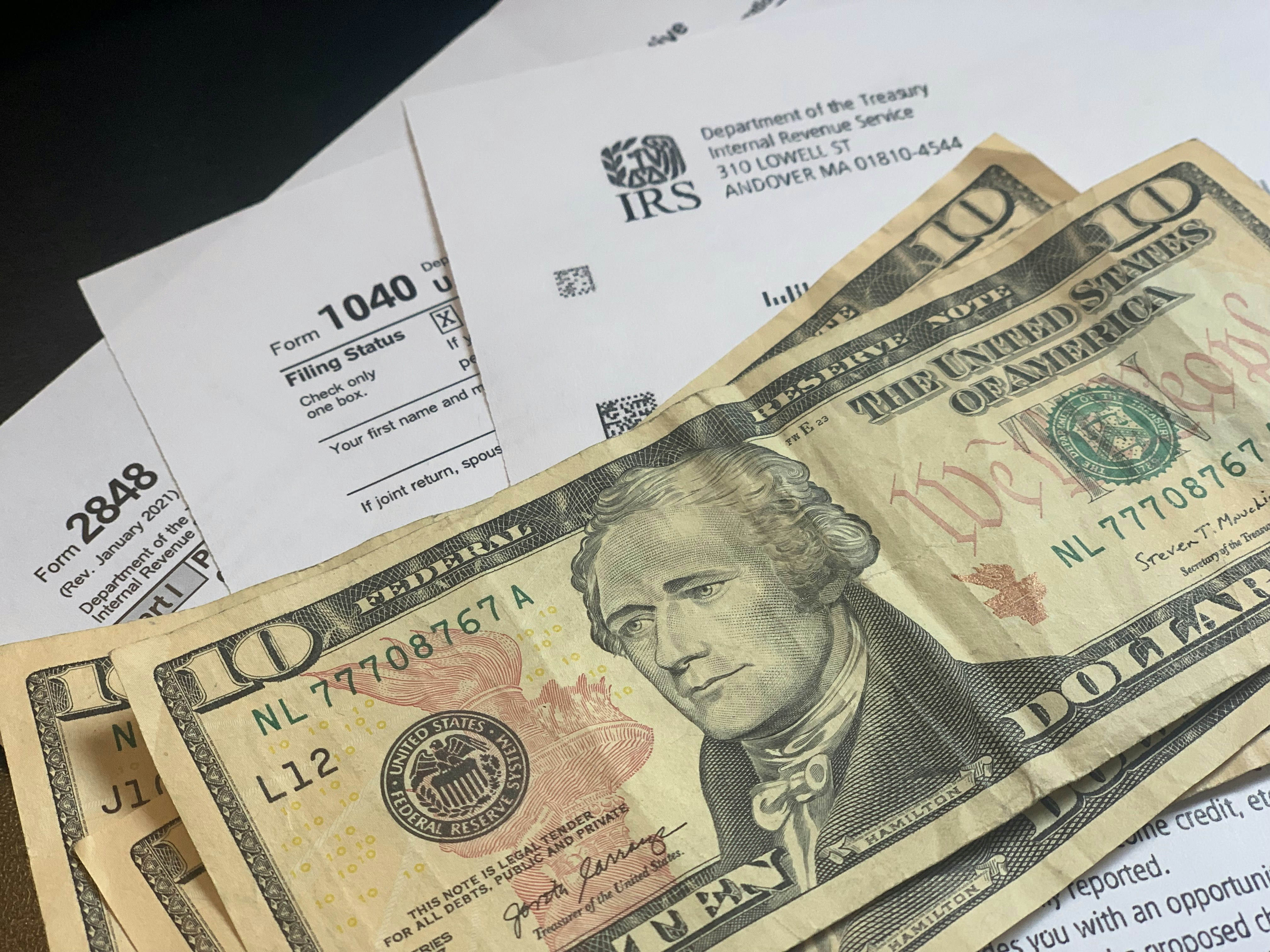
Overview of Trump’s Proposal
In recent announcements, former President Donald Trump proposed a $2,000 tax dividend intended for American citizens, an initiative designed to provide financial relief through funds generated from import taxes. This proposal emerged in response to the ongoing economic challenges faced by many households in the post-pandemic environment. By leveraging revenues from tariffs imposed on foreign goods, Trump aims to distribute this dividend directly to the populace, positioning it as a means to stimulate consumer spending and boost the economy.
The rationale behind this tax dividend is to alleviate fiscal burdens on average Americans, thereby promoting economic resilience. Trump’s supporters advocate that this direct financial assistance could potentially enhance disposable income, enabling families to manage costs for essentials such as food and healthcare. Moreover, proponents believe that this initiative would incentivize domestic purchasing and reduce reliance on foreign products, aligning with Trump’s broader nationalist economic agenda.
Despite the perceived benefits, reactions to the proposal have been mixed among the public and political spheres. Supporters within Trump’s base have applauded the initiative as a proactive measure to ensure economic recovery and support for families. Conversely, critics express skepticism regarding its viability and long-term sustainability. Detractors argue that relying solely on import taxes may not create a stable funding source for the proposed dividends, and there are concerns about how such a tax could affect international trade relations. Additionally, some economists caution that while the immediate impact may be beneficial for households, the approach could lead to inflationary pressures if demand surges following the distribution of these dividends.
Overall, Trump’s proposal for a $2,000 tax dividend reflects an attempt to address current economic concerns, but it is mired in a complex web of public opinion and political debate, which will ultimately shape its feasibility and acceptance within the broader policy discourse.
The Role of Import Taxes in the Economic Landscape
Import taxes, also known as tariffs, play a significant role in shaping the economic framework of the United States. These taxes are levied on goods brought into the country, effectively increasing the cost of imported items. This mechanism serves as a protective measure for domestic industries by making foreign products less competitive in terms of pricing. The revenue generated from these import taxes can be substantial, contributing significantly to the federal budget.
The impact of import taxes on the U.S. economy extends beyond revenue generation. They are instrumental in addressing trade deficits, which occur when a country imports more goods than it exports. By imposing tariffs, the government aims to reduce the volume of imports, thereby promoting American-made products and stimulating local economies. The theory posits that increased domestic production can lead to job creation and higher wages, as companies seek to meet local demand without relying on foreign goods.
Moreover, the funds accumulated from import taxes could theoretically be allocated to finance initiatives like the proposed $2,000 tax dividend. This would involve using revenue from tariffs to support financial benefits for American citizens. Historically, similar proposals have echoed through U.S. economic policy discussions, leveraging import taxes as a source for funding social programs. However, the introduction of tariffs can lead to heightened tensions in international relations. Countries affected by U.S. tariffs may retaliate with their own tariffs, which can complicate trade agreements and foster a cycle of conflict that undermines cooperative economic relations.
Overall, while import taxes can serve a dual purpose of protecting domestic industries and providing a revenue stream for government initiatives, their implementation requires careful consideration of the broader economic implications and potential impacts on global trade dynamics.
Immediate Reactions and Corrections by the Treasury Secretary
Following President Trump’s announcement regarding a proposed $2,000 tax dividend, there was an immediate wave of reactions from various stakeholders, including government officials, economists, and members of the public. The proposal, which aimed at providing a financial boost to American citizens, sparked significant debate about its feasibility and legality.
In the wake of the announcement, Treasury Secretary responded promptly, issuing a correction aimed at clarifying the administration’s stance on the proposal. The Secretary highlighted several legal limitations that could impede the implementation of such a tax dividend. Specifically, concerns were raised about the potential for unconstitutional use of taxpayer funds without sufficient legislative backing. The correction underscored that any substantial distribution of dividends would require thorough evaluation and approval from Congress, thus emphasizing the importance of adhering to established fiscal policies.
The reactions to Trump’s proposal were varied. Some political figures expressed cautious optimism, suggesting that the tax dividend could provide much-needed relief, particularly in light of ongoing economic challenges. Conversely, others voiced skepticism, arguing that the plan could exacerbate the national debt without clear pathways for sustainable funding. Economists joined the discussion, pointing out the complexities associated with implementation and the potential inflationary pressures that such a division could trigger. The public also responded with a mix of hope and concern, with many questioning the long-term impacts on the economy and individual tax burdens.
Overall, the rapid correction issued by the Treasury Secretary revealed the intricacies involved in proposing economic measures of this magnitude. The initial proposal sparked extensive discussions across political and economic spectrums, emphasizing the necessity for careful consideration and informed dialogue regarding any future financial dividends. In an era of fiscal uncertainty, the implications of such proposals must be thoroughly vetted to ensure the economic stability and prosperity of the nation.
Future Prospects and Political Implications
Trump’s proposal for a $2,000 tax dividend could significantly influence the political landscape as the United States approaches future elections. The idea of direct financial assistance resonates with many Americans, particularly those seeking relief amid rising costs of living and economic uncertainty. By framing this dividend as a means to empower the populace, Trump may galvanize support among voters who feel economically marginalized.
From a campaign perspective, this tax dividend proposal may serve as a compelling tool for Trump and other Republican leaders. By positioning themselves as champions of tax relief, they can effectively appeal to both their base and undecided voters. This approach not only underscores a commitment to fiscal policy that prioritizes the individual but also highlights a contrast to the traditionally more progressive taxation strategies advocated by the Democratic Party. Therefore, the proposal has the potential to shape campaign narratives and rhetoric as both parties prepare for upcoming elections.
In addition to its political ramifications, the proposed tax dividend may also embolden policymakers to reconsider broader taxation and trade policies. A successful implementation could lead to discussions on sustainable fiscal strategies aimed at stimulating consumer spending and economic growth. Conversely, if the dividend fails to materialize or produces limited results, it could dampen enthusiasm for such initiatives, leading to increased skepticism regarding tax reforms in general.
Public sentiment will play a critical role in determining the sustainability of Trump’s dividend proposal. If a significant portion of the electorate views the tax dividend favorably, similar proposals could emerge from various political factions. The combination of economic pressures and a growing desire for direct financial relief may pave the way for more innovative taxation policies in the future. Thus, the implications of this proposal reach far beyond its immediate effects, potentially setting the stage for significant shifts in political and economic agendas.