
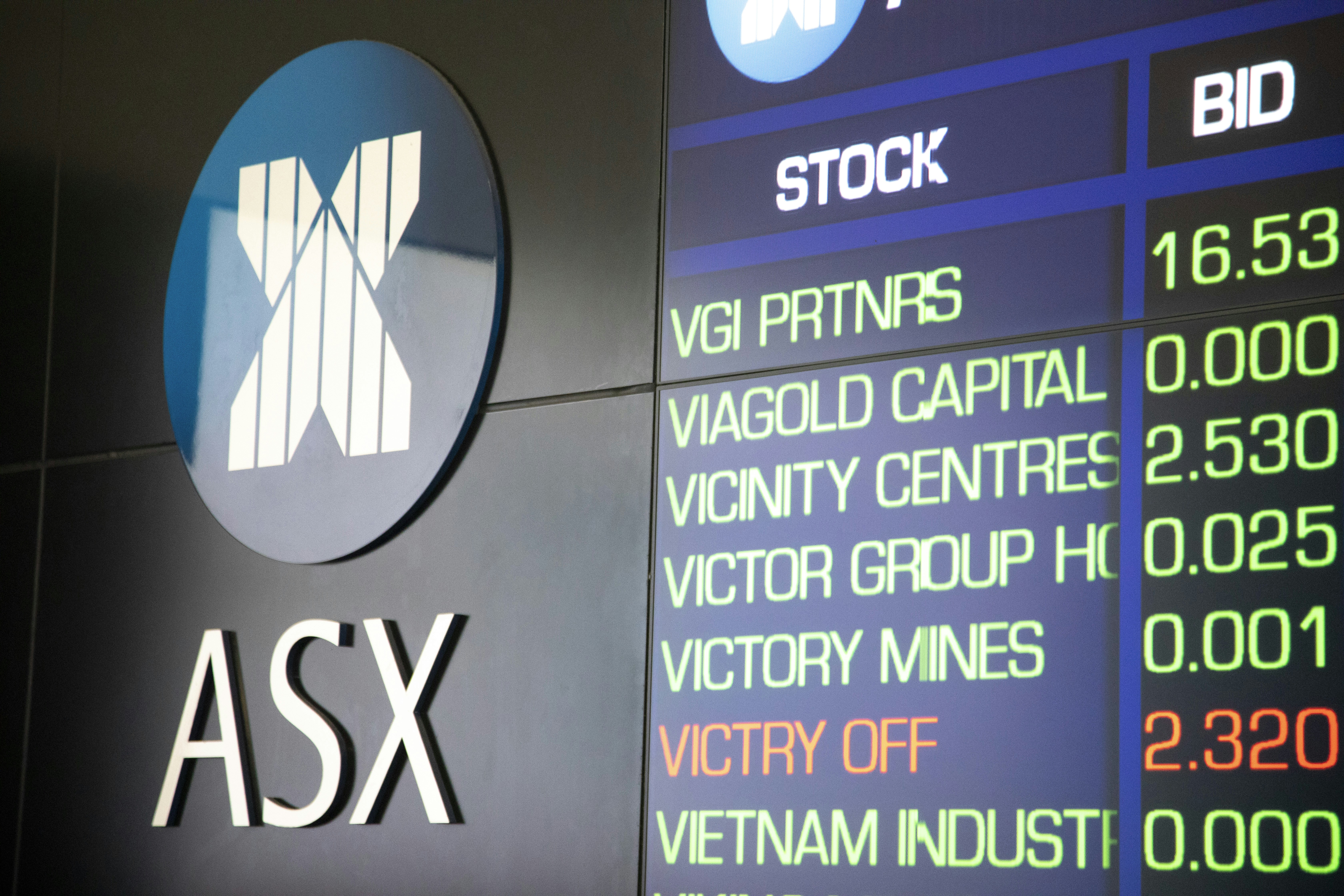
Overview of Asian Markets
The Asian stock markets have shown resilience and steadiness in the face of external economic signals from the U.S. Recent trends illustrate a predominant sideways movement, with many indices exhibiting slight upward trajectories. This pattern reflects a cautious optimism among investors as they navigate through the various geopolitical and economic challenges present in the region.
Japan’s Nikkei index has been a focal point recently, demonstrating noteworthy stability supported by strong corporate earnings and favorable domestic policies. The government’s commitment to maintaining accommodative monetary policies has bolstered market confidence, encouraging investments across various sectors. Consequently, the Nikkei has managed to sustain positive momentum, contributing to overall market cohesion within Asia.
Conversely, China’s stock markets have exhibited fluctuations due to ongoing regulatory scrutiny and concerns regarding economic recovery. Despite the governmental initiatives aimed at stimulating growth, investor sentiment remains cautious. The Shanghai Composite index and the Shenzhen index reflect mixed signals, as concerns about real estate and potential debt crises continue to cast shadows over the market. Furthermore, the People’s Bank of China’s recent decisions regarding interest rates are pivotal, influencing market dynamics across the region.
Other countries in Asia, such as South Korea and India, have also displayed varied market behaviors. South Korea’s KOSPI has benefited from technological advancements, while Indian markets have shown robust performance driven by foreign investments and strong domestic demand. Nevertheless, regional interdependencies mean that ASEAN countries are responding to fluctuations in larger economies, demonstrating a nuanced interplay within Asian stock markets.
Overall, while Asian stocks display a degree of steadiness, they remain susceptible to external influences and internal challenges that could alter these patterns moving forward.
Japan’s Nikkei 225 Performance
The Nikkei 225, Japan’s premier stock index, has recently displayed a positive trajectory, recording an increase of 0.41%. This uplift can be attributed to several interconnected factors impacting the market. One key driver of the Nikkei’s rise has been the strong performance of technology companies and exporters, which have benefitted from the favorable currency exchange rates and robust demand in overseas markets. These sectors are often seen as barometers of economic health and are particularly reactive to changes in global market sentiment.
Additionally, the manufacturing sector has demonstrated resilience, contributing significantly to the overall market performance. Companies involved in electronics and automotive manufacture have shown commendable earnings growth, reassuring investors about the sustainability of their economic activities. This positive sentiment is also mirrored in the services sector, which has been recovering steadily as consumer confidence improves in light of easing pandemic restrictions and vaccination rollouts.
For Japanese investors, the implications of the Nikkei 225’s recent performance are multifaceted. A steadily rising index tends to encourage additional investments, thus creating a virtuous cycle of economic growth. Investors are likely to feel more confident in entering long positions, anticipating further gains. Additionally, the ability of the Nikkei to maintain upward momentum could potentially attract foreign investment, injecting further liquidity into the market. As for the broader economy, an increase in the index often correlates with higher consumer spending, which is essential for sustaining recovery.
Looking ahead, predictions for upcoming trading sessions appear cautiously optimistic. Analysts believe that as global economic recovery continues alongside potential stimulus measures, the Nikkei could maintain its upward trajectory. However, market volatility attributed to geopolitical tensions and changes in U.S. monetary policy could introduce variability in performance, warranting close observation from investors.
Market Sentiment and Anticipation of US Signals
The current landscape of Asian stock markets is heavily influenced by the anticipation of further signals from the United States. Investors are keenly observing economic indicators and Federal Reserve announcements, which are pivotal in shaping market sentiment. This behavior underscores a period of cautious optimism mixed with uncertainty. The psychological state of investors often hinges on expectations surrounding these US signals, revealing how closely they monitor developments across the Pacific.
As Asian markets opened today, the atmosphere was one of careful deliberation. Many investors remain on the sidelines, awash in a mix of hope and worry, reflecting the global interconnectedness of financial markets. The sentiment is palpable, with traders delicately balancing the potential outcomes of the upcoming US economic data releases against current market conditions. The anticipation of interest rate decisions and employment data can result in significant volatility, prompting many to adopt a standard wait-and-see approach.
Furthermore, report releases from the US can instigate ripple effects throughout Asian trading hubs. A strong report may bolster confidence, leading to increased buying activity, while negative indicators can trigger a wave of selling, demonstrating how much weight US economic health is given. This interconnected behavior showcases the importance of US signals in steering market direction in Asia. Therefore, the cautious sentiment prevailing among investors indicates not just a reaction to potential outcomes but also a reflection of broader global economic trends. Consequently, market participants are prepared, with strategies to mitigate risks, as they navigate this phase of uncertainty.
Conclusion and Future Outlook
In assessing the current landscape of Asian stocks, it becomes evident that markets are exhibiting a degree of stability in response to various global factors, particularly the anticipated signals from US economic indicators. The interplay between these markets and the US economy remains crucial, as trends in the latter can significantly influence investor sentiment across Asia. Presently, Asian markets have demonstrated resilience, with select sectors showing promising growth trajectories despite global uncertainties.
Looking ahead, investors should remain vigilant as they navigate the evolving economic forecasts. The potential for shifts in US Federal Reserve policy and indications of market direction will likely resonate within Asian markets. For example, should the US maintain a stance of economic tightening or introduce new measures to tackle inflation, the ramifications could be felt across Asia. This can lead to fluctuations in stock valuations, especially in sectors like technology and manufacturing, which are heavily intertwined with US markets. Conversely, a positive outlook from the US may bolster confidence and drive investment in Asian stocks, reflecting an uptrend in performance.
Moreover, geopolitical considerations and domestic economic policies within Asian nations will continue to play a pivotal role in shaping market conditions. Investors are encouraged to keep an eye on regional developments, as these can provide additional context to the overall market climate. The ability to adapt to these dynamics will be essential for investment strategies in the near future. Overall, while the current state of affairs presents both challenges and opportunities, informed decision-making based on comprehensive analysis will be vital for navigating the complex landscape of Asian stocks moving forward.
You might also like:
- 5 Beyond Hype Emerging: Essential Breakthroughs
- MN resident presumably exposed to Hantavirus – KELOLAND.com
- Monroe St. Mary CC to affix Catholic League in 2027
- Interactive Brokers launches crypto trading for retail merchants in Europe
- New 10 Essential Tips for Ultimate Success
