
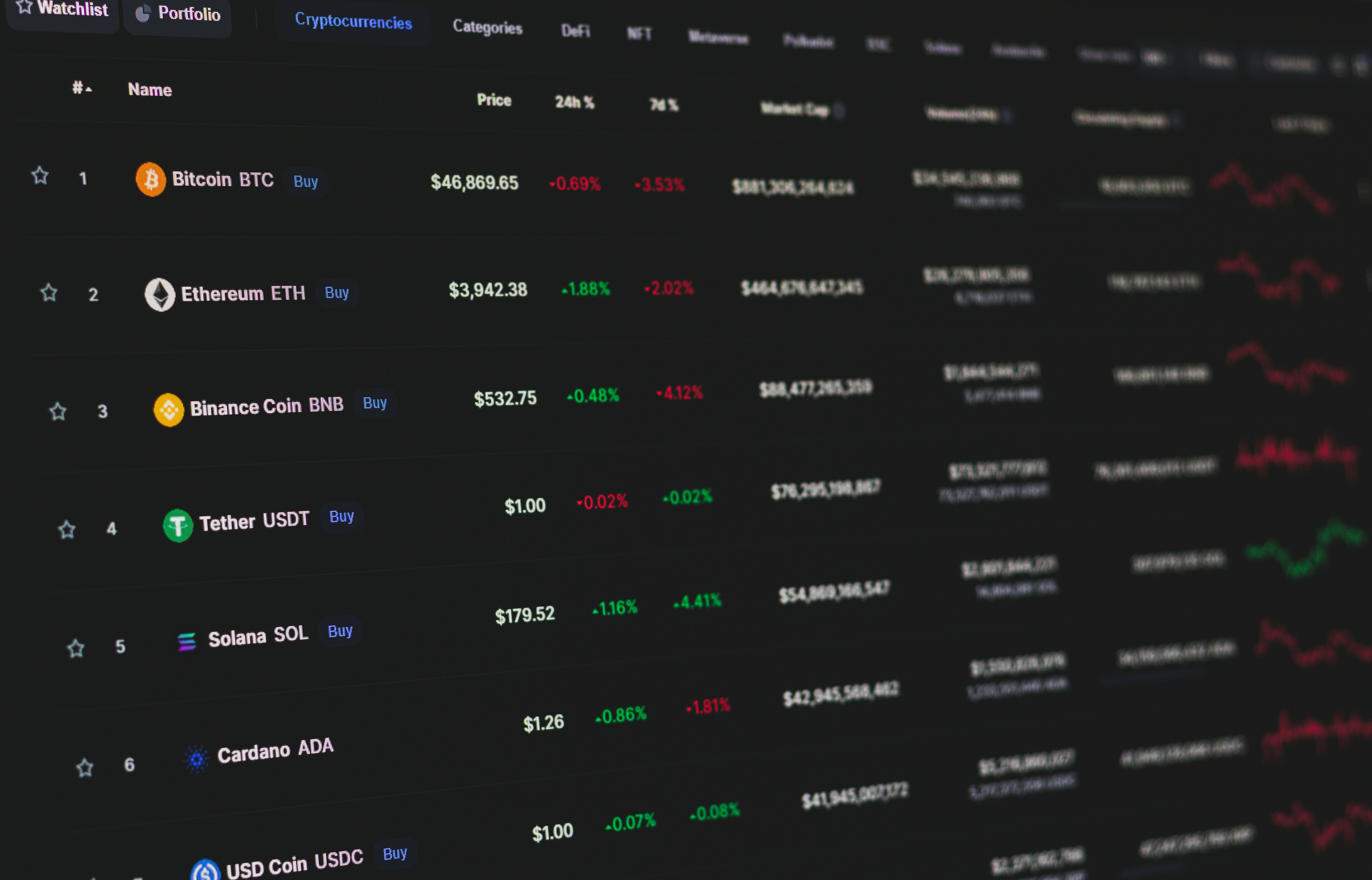
Understanding the Current Market Downtrend
The cryptocurrency market is currently experiencing a notable downtrend, characterized by fluctuations in prices that indicate market volatility. This decline can be attributed to several factors, each contributing to the overall market sentiment. One primary influence is economic conditions. Global economic uncertainties, including inflation and fluctuating interest rates, often lead investors to withdraw from more speculative assets like cryptocurrencies. When traditional markets face instability, investors tend to gravitate towards safer assets, which can result in significant sell-offs in digital currencies.
Another significant factor affecting the cryptocurrency market is investor sentiment. The psychology of investors plays a crucial role in price determination. For instance, negative news cycles, whether related to security breaches or high-profile regulatory actions, can lead to panic selling, causing prices to plummet rapidly. Social media and online communities also exacerbate these sentiments, where fear and uncertainty can spread quickly, leading to rapid shifts in market dynamics.
Regulatory developments further complicate the market landscape. Countries are increasingly scrutinizing cryptocurrencies, leading to various legal measures aimed at controlling their use. From stricter regulations on exchanges to potential bans on certain cryptocurrency activities, regulatory news plays a pivotal role in shaping investor confidence. Many investors are waiting for clearer guidelines from authorities before re-entering the market, contributing to current trends of hesitance and volatility.
Overall, the current downtrend in the cryptocurrency market is influenced by a confluence of economic conditions, fluctuating investor sentiment, and evolving regulatory frameworks. Understanding these factors provides essential context for assessing the market’s trajectory and guiding potential investment strategies for the future.
Bitcoin (BTC): Recent Performance and Analysis
Bitcoin (BTC), the preeminent cryptocurrency, has recently demonstrated noteworthy fluctuations, currently valued at approximately $105,000 USD. This recent performance is essential to analyze, as it reflects a broader trend within the cryptocurrency market. Several factors contribute to this volatility, including regulatory developments, market sentiment, and macroeconomic influences. Investors are closely monitoring these elements as they can significantly impact Bitcoin’s price trajectory.
One critical aspect of Bitcoin’s price fluctuations relates to supply and demand dynamics. As institutional adoption grows and more retail investors enter the market, the demand for Bitcoin is expected to rise. However, external factors, such as government regulations and potential technological setbacks, can disrupt this equilibrium. For instance, news regarding stricter cryptocurrency regulations in major markets has historically led to immediate sell-offs, reflecting the heightened sensitivity of the market to external influences.
In terms of technical indicators, Bitcoin’s recent performance can be analyzed through key metrics such as the Relative Strength Index (RSI) and moving averages. The RSI indicates whether Bitcoin is overbought or oversold, providing investors with crucial insights into possible price corrections. Furthermore, the interplay of short-term and long-term moving averages can highlight potential support and resistance levels, serving as critical tools for traders navigating volatility.
Bitcoin’s role extends beyond its individual performance, as it functions as a bellwether for the broader cryptocurrency market. The price movements of Bitcoin often influence the trends observed in other cryptocurrencies, illustrating Bitcoin’s significance in shaping market sentiment. This interconnectedness highlights the importance of monitoring Bitcoin’s price behavior, as insights gleaned from its performance can provide valuable context for predicting the movements of altcoins and the crypto market as a whole.
Ethereum (ETH): Price Movements and Future Prospects
Ethereum (ETH), the second-largest cryptocurrency by market capitalization, has recently stabilized within a trading range of approximately $3,550 USD. This price level reflects a series of fluctuations driven by various market forces, including developments in decentralized finance (DeFi) and the growing popularity of non-fungible tokens (NFTs). Over the past months, Ethereum has experienced consistent demand due to its versatility as both a platform and a medium of exchange, enabling a broad spectrum of applications beyond traditional transactions.
The rise of DeFi protocols has significantly contributed to Ethereum’s value proposition, as these applications facilitate lending, borrowing, and trading in a decentralized manner, thereby circumventing traditional financial intermediaries. Each new project and refinement in this space not only enhances user engagement but also contributes to the network’s utility. Additionally, the NFT market has surged, with Ethereum serving as the primary blockchain for most NFT sales. This innovative landscape augments the demand for ETH, as users require the currency to purchase and engage with digital assets.
Nevertheless, Ethereum does face several challenges that could impact its future trajectory. Network congestion and rising gas fees have prompted discussions about scalability solutions. Moreover, the competitive landscape is ever-evolving; other blockchain platforms are emerging as viable alternatives which could threaten Ethereum’s dominance. As Ethereum undergoes its transition to a proof-of-stake consensus mechanism through Ethereum 2.0, these upgrades hold promise to alleviate some congestion issues and enhance transaction efficiencies.
Looking forward, the long-term prospects of Ethereum appear optimistic, particularly as the ecosystem continues to evolve. Regulatory clarity and broader institutional adoption could solidify its position in the cryptocurrency market. In conclusion, while the immediate price fluctuations merit attention, the ongoing innovations within the Ethereum network and the broader blockchain space suggest a stable foundation for future growth.
XRP: A Highlight Amidst the Downtrend
In a landscape where most cryptocurrencies have faced substantial declines, XRP has recently emerged as a noteworthy exception. The digital asset recorded a remarkable 10% increase in value within a single day, prompting discussions regarding its potential as a resilient player amidst an overall market downtrend. This notable surge has caught the attention of investors and analysts alike, raising questions about the factors that drove this unexpected momentum.
Key to understanding XRP’s recent performance is its ongoing legal battle with the United States Securities and Exchange Commission (SEC). Recent developments in the case, along with a favorable sentiment surrounding the outcome, have led to increased investor confidence. As various legal interpretations begin to reveal possible pathways for XRP’s regulatory clarity, market participants have reacted positively, contributing to this day of substantial price growth. Additionally, the overall trading volume for XRP has surged, indicating heightened interest in this cryptocurrency.
Furthermore, institutional interest in XRP has seen a noticeable uptick. Several financial institutions are beginning to integrate XRP into their payment solutions, recognizing it as a potential tool for efficient cross-border transactions. This increasing adoption could bolster XRP’s position in the market, thus enhancing its value proposition amidst a period of uncertainty across the cryptocurrency sector.
The question remains whether XRP can maintain this upward momentum in the face of prevailing market pressures. Analysts are cautiously optimistic, suggesting that if legal uncertainties continue to resolve favorably, and if institutional adoption persists, XRP may solidify its role as a stable asset in volatile times. This combined perspective of legal clarity and market interest positions XRP uniquely, making it an intriguing cryptocurrency to watch as the broader market navigates the current downtrend.
You might also like:
- Avalanche (AVAX) Price Analysis: October 2023 Downtrend and Key Levels
- The Rise of Right-Wing Movements in Britain: A Social and Political Analysis
- US-China Summit: A Meeting of the Titans in Busan
- NBA Game Night Highlights: Notable Results from Recent Matchups
- Major Altcoin Adoption: Trends and Impacts in the Crypto Market