
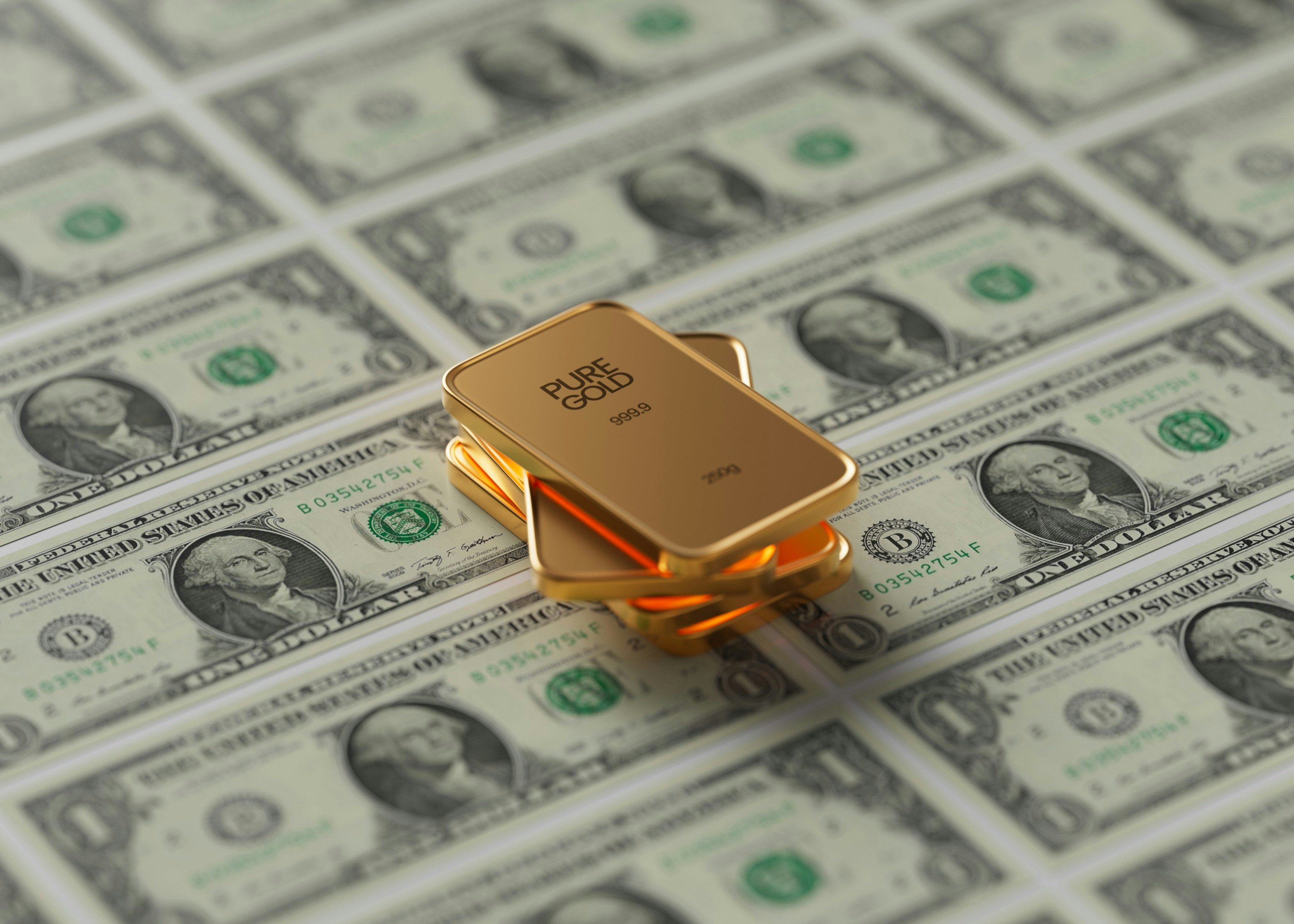
Introduction to Recent Gold Price Trends
In recent times, the gold market has experienced a significant surge in prices, drawing the attention of investors and analysts alike. Over the past 24 hours, the spot gold price has risen sharply, at times exceeding the $4,100 per ounce threshold. Notably, it has approached the $4,140 to $4,150 per ounce range, marking a peak not seen in nearly three weeks. This unexpected increase indicates a promising shift in the market, suggesting enhanced investor confidence and growing demand for this precious metal.
The fluctuations in gold prices often reflect broader economic trends and sentiments. As a traditional safe haven asset, gold tends to attract significant attention during periods of economic uncertainty or volatility. The recent spike can be attributed to a complex interplay of various factors, including geopolitical tensions, inflationary pressures, and shifts in currency values. Understanding these dynamics is crucial for comprehending the current trajectory of gold prices and predicting future movements in this vital market.
Additionally, the growing interest in gold as a hedge against inflation has been a pivotal factor in its rising value. With global economies facing mounting pressures, investors are increasingly looking towards gold to safeguard their portfolios. This spike not only underscores the current state of the gold market but also sets the stage for exploring the underlying drivers behind this trend. Maintaining awareness of these price movements is essential for making informed investment decisions and understanding the broader economic landscape.
Historical Context: Gold Price Adjustments
The fluctuations in gold prices are influenced by a myriad of factors, and recent adjustments in the market reflect a continuation of historical trends. In the two weeks preceding the recent surge in gold prices, there were notable price declines, characterized by a temporary retracement within a broader bullish trend. These brief periods of decline are not unusual and often represent market corrections influenced by economic indicators and geopolitical events.
Historically, gold has demonstrated resilience as a safe-haven asset during economic uncertainty. The recent downward adjustments can be attributed to profit-taking by investors and fluctuations in the global markets, particularly in response to data on inflation, employment rates, and shifts in monetary policy. For instance, when economic indicators suggest a strengthening of the economy, investors might momentarily divert their attention away from gold in favor of riskier assets, causing temporary price drops.
Over the years, gold’s price adjustments have frequently aligned with broader economic cycles. For example, during times of financial crises or heightened geopolitical tensions, demand for gold typically surges, driving prices upward. Understanding these historical contexts and the underlying patterns can provide investors with valuable insights into the nature of current fluctuations and potential future movements in the gold market.
Key Drivers of the Gold Price Surge
The recent surge in gold prices has been primarily influenced by several key factors that have reshaped market dynamics and investor sentiment. One of the most significant drivers is the recent weak economic data from the United States. Indicators such as declining employment figures, lower consumer spending, and sluggish GDP growth have raised concerns among investors about the health of the U.S. economy. This uncertainty typically leads to an increased interest in gold, traditionally regarded as a safe-haven asset during times of economic distress. Investors often flock to gold as a protective measure against potential losses in equity markets and currency fluctuations.
Another critical factor contributing to the rise in gold prices is systemic political uncertainty, both domestically and globally. Events such as elections, trade tensions, and geopolitical conflicts can create a climate of instability, prompting investors to seek refuge in gold. The current political landscape, marked by divisive policies and unexpected developments, has heightened fear among market participants, amplifying the demand for gold. This reaction is indicative of a broader trend where investors tend to gravitate toward gold during tumultuous periods, reinforcing its status as a reliable store of value.
Furthermore, the influence of central banks cannot be overlooked. Many central banks around the world have been increasing their gold reserves as a strategy to diversify their assets and mitigate currency risks. This institutional demand adds a layer of support to gold prices, corroborating its appeal in uncertain economic climates. As central banks continue to enrich their gold inventories, the market reflects this shift, reinforcing the upward trajectory of gold prices.
In combination, these elements create a robust framework for understanding the recent spike in gold prices, as they interweave economic, political, and institutional factors that enhance gold’s allure in today’s market landscape.
Impact of Weak U.S. Economic Data
In recent months, several economic reports from the United States have highlighted notable weaknesses in the economy, contributing to an increased interest in gold as a safe-haven asset. Key indicators such as employment reports, inflation statistics, and consumer confidence indexes are crucial in assessing the health of the economy. For instance, job reports have shown a slowdown in job growth, leading to concerns about unemployment rates and overall economic stability. Additionally, inflation data has depicted persistently high price levels, resulting in a decrease in purchasing power. Simultaneously, consumer confidence indexes have revealed waning optimism among consumers, impacting spending behaviors and economic activity.
The implications of these weak economic indicators extend to the policies enacted by the Federal Reserve. When economic performance falters, the Federal Reserve often shifts its approach, potentially leading to lower interest rates or more accommodative monetary policies. Such actions are designed to stimulate the economy but can also create uncertainties in the financial markets. Investors tend to gravitate towards gold as a hedge against inflation and economic volatility during periods of poor economic outlook. The recent trend indicates that as confidence in the economy diminishes, the allure of gold increases, propelling its price higher.
Moreover, the relationship between weak economic data and gold prices can be understood through the lens of investor behavior. When faced with economic uncertainty, many investors prefer to divert their portfolios towards gold, viewing it as a stable asset that typically retains its value. This shift in investment strategy not only causes an increase in demand for gold but can also escalate its price further. Consequently, continued weak economic data from the U.S. is likely to sustain the upward momentum in gold prices, solidifying its position as a preferred safeguard for wealth in times of economic distress.
Political/Systemic Uncertainty: A Double-Edged Sword
The relationship between political factors and financial markets is intricate and often results in heightened volatility. Recent developments, particularly the ongoing discussions surrounding the U.S. government shutdown, illustrate how political uncertainty can create a ripple effect across various asset classes. This situation has led to an environment where risk markets are simultaneously bolstered and destabilized, influencing investor behavior in significant ways.
On one hand, the prospect of a resolution to the government shutdown may generate optimism in risk markets, encouraging investors to allocate capital towards equities and other growth-oriented investments. Conversely, sustained uncertainty and extended political stalemate can foster anxiety among investors, prompting them to seek safe-haven assets like gold. This duality demonstrates why political stability is pivotal in shaping market dynamics—when stability is threatened, demand for gold typically increases, as it is perceived as a safeguard against potential economic downturns.
The demand for gold during periods of political instability underscores its role as a hedge against systemic risk. Investors turn to gold not only as a store of value but also as a protective measure amidst uncertainties surrounding government policies and geopolitical tensions. The interplay of political developments and market reactions thus forms a cyclical pattern where uncertainty feeds into increased demand for gold, reinforcing its reputation as a reliable asset during turbulent times.
As we navigate through the complexities of political landscapes, it becomes apparent that the implications of systemic uncertainty extend far beyond immediate market fluctuations. The ability of gold to maintain its allure as a safe-haven asset hinges on the broader context of political stability, making it essential for investors to stay informed about ongoing governmental dynamics. This understanding is crucial as it directly impacts investment strategies and future price projections for gold.
Market Reactions and Sentiments
The recent surge in gold prices has elicited a range of reactions from market participants and financial analysts, reflecting broader economic conditions and geopolitical developments. Major financial institutions have noted increased volatility, as rising gold prices often act as a hedge against inflation and economic uncertainty. Analysts from prominent investment firms have adjusted their forecasts, suggesting a more bullish outlook on gold due to rising global tensions and fluctuating currency values. The interplay between these factors has ignited discussions on the metal’s role as a safe-haven asset.
Market sentiment among traders has varied significantly in response to the recent price fluctuations. Many have expressed optimism regarding gold’s upward trajectory, attributing this to its historical performance during periods of economic distress. With inflation fears mounting and stock markets displaying heightened volatility, investors are increasingly looking to gold as a reliable store of value. This shift in sentiment has been particularly pronounced among institutional investors, who are reallocating portfolios to emphasize commodities, particularly gold, as a safeguard against potential downturns in the equities market.
Geopolitical developments also play a crucial role in shaping market reactions. Escalations in global tensions, such as conflicts or trade disagreements, have prompted a rush to gold, pushing its prices higher. Financial institutions commonly analyze these incidents to gauge potential impacts on the gold market. Consequently, traders closely monitor news cycles and policy announcements, knowing that even minor diplomatic shifts can lead to significant price movements in gold. The collective reactions reflect a growing awareness of the interconnectedness of global events and commodity markets, solidifying gold’s position in investment strategies amid ongoing uncertainties.
Long-Term Gold Price Forecasts
The long-term forecasts for gold prices are becoming increasingly optimistic, according to reputable financial institutions such as UBS and JPMorgan. These organizations leverage a combination of historical data, current market conditions, and economic indicators to project future price movements. Their analyses suggest that gold could see sustained price increases over the coming years, driven largely by macroeconomic factors such as inflation, geopolitical tensions, and shifts in monetary policy.
UBS projects that gold prices could reach a significant high, buoyed by an environment of persistent inflation and lower interest rates. Their methodology often involves examining the correlation between gold prices and economic parameters, such as changes in central bank policies and currency fluctuations. They also consider external factors like market sentiment and the demand for physical gold, which can influence prices. In UBS’s scenario, they foresee gold securing its status as a safe haven asset as uncertainties in global markets continue to rise.
Likewise, JPMorgan is equally bullish about the future of gold, citing similar indicators that suggest an upward trajectory. Their optimistic outlook is supported by the potential for increased demand from both individual investors and institutional funds, especially during periods of economic instability. By conducting comprehensive analyses that include technical chart patterns and investor behavior studies, JPMorgan reaffirms the notion that gold retains its relevance in diversified investment portfolios. However, they caution that several risks, including shifts in central bank policies or a reversal of inflation trends, could impact their bullish forecasts.
In conclusion, while both UBS and JPMorgan present robust methodologies for predicting a positive outlook on gold prices, they also underline the importance of being aware of potential risks that could influence these predictions. As investors navigate the complexities of the gold market, staying informed about these forecasts can help in making educated investment choices.
Potential Risks & Market Volatility
The current surge in gold prices presents both opportunities and risks for investors. Notably, one of the primary factors influencing gold prices is fluctuations in interest rates. When interest rates rise, the opportunity cost of holding non-yielding assets like gold increases, often leading to a decrease in demand. Conversely, when interest rates are low, gold becomes a more attractive investment as it does not incur interest expenses, potentially resulting in price increases. Investors should closely monitor Federal Reserve policies, as changes in their stance can significantly impact market sentiment and gold’s appeal.
Geopolitical tensions also play a critical role in the volatility of gold prices. Events such as conflicts, trade wars, and diplomatic disputes can lead to market uncertainty, prompting investors to seek the safe haven that gold traditionally offers. For instance, heightened tensions in the Middle East or trade conflicts between major economies can trigger spikes in gold prices as investors hedge against potential financial instability. However, as conflicts resolve or relations improve, gold prices may experience downward pressure.
Additionally, the pace of economic recovery following downturns poses its own risks. A robust recovery may lead to increased investment in equities, diminishing the allure of gold as an alternative investment. Conversely, if economic conditions remain uncertain or if recoveries are sluggish, gold could benefit from ongoing concerns about inflation and stability. This duality exemplifies the need for investors to remain vigilant, considering both the potential for growth in their gold investments and the inherent risks associated with broader market volatility.
Investment Strategies in Light of Gold Price Trends
As gold prices continue to show upward momentum, investors seek to reposition their portfolios in line with current market trends. Investing in gold is often viewed as a hedge against inflation and economic instability, necessitating a well-thought-out strategy for both short-term and long-term gains. To capitalize on this precious metal’s surge, individuals may adopt several key investment strategies.
Firstly, diversification is crucial. Investors should avoid putting all their resources into gold; rather, it should comprise a portion of a diversified portfolio. Including various asset classes, such as stocks, bonds, and commodities, helps mitigate risks associated with gold price volatility. This approach provides a buffer against potential downturns in gold’s value while allowing investors to benefit from its appreciation potential.
Secondly, considering the use of gold ETFs (Exchange-Traded Funds) is advisable. These funds allow investors to gain exposure to gold prices without the need to physically own the metal. Gold ETFs often track the price of gold bullion and can be traded on stock exchanges, offering liquidity and ease of access. This makes them particularly appealing for those looking to realize short-term profits from gold price fluctuations.
Additionally, individuals can opt for physical gold investments, such as coins and bars. While this requires a safe storage solution and may entail higher transaction costs, it offers tangible ownership of the asset. Such investments may serve well in uncertain economic climates, where physical assets tend to retain value better than financial instruments.
Finally, staying informed on economic indicators and trends is essential for effectively navigating the gold market. Regularly reviewing reports on inflation rates, central bank policies, and geopolitical events can provide valuable insights that guide investment decisions. With the right strategies, investors can harness the opportunities presented by the current spikes in gold prices while effectively managing associated risks.
Conclusion: The Future of Gold Prices
As we analyze the dynamics surrounding the recent surge in gold prices, it becomes clear that several factors have contributed to this upward trajectory. Economic uncertainties, geopolitical tensions, and inflationary pressures have collectively amplified the demand for gold, traditionally regarded as a safe-haven asset. Investors have increasingly turned to gold to hedge against volatility in financial markets, thus driving prices to historic highs.
Moreover, central banks around the globe are continuing to diversify their reserves, with significant acquisitions of gold. This activity not only supports higher prices but also indicates a broader shift in monetary policy strategies that favor tangible assets like gold. The effects of these strategies on future demand warrant careful consideration by both individual and institutional investors.
Looking ahead, several predictions emerge regarding gold prices. Analysts project that while some fluctuations are likely, the fundamental drivers of demand are poised to sustain gold at elevated levels. Factors such as the ongoing geopolitical climate, inflation trends, and central bank policies will play crucial roles in determining the direction of gold investments in the near future.
It is essential for investors to remain vigilant and informed about market trends and external influences that might affect gold prices. Understanding the nuances of these factors can empower them to make well-informed decisions regarding their investment strategy. As the landscape continues to evolve, staying updated on economic indicators and expert analysis will be imperative in navigating the gold market effectively.
In conclusion, the recent uptick in gold prices underscores a multi-faceted interplay of economic and geopolitical elements. By keeping a close eye on these developments, investors can better position themselves in a market that is likely to experience continued volatility yet remains resilient over the long term.
You might also like:
- Impact of Indonesia’s Coal Production Quota Cuts on the Mining Industry
- He couldn’t affirm, relish or win better and no one knew why.
- NASA to create its have Broad Bang for Voyager 1 as one other instrument is shut down – WION
- Adobe’s low-processing camera app expands make stronger to make a choice iPads and the iPhone 17e
- Analysts are staring at these Bitcoin tag phases before CLARITY Act vote
