Background of the National Intelligence Service (NIS) and its Role
The National Intelligence Service (NIS) of South Korea was established in 1961 as the country’s premier intelligence agency. Initially formed to address concerns over national security, particularly during the Cold War, the agency has played a critical role in safeguarding the nation against various threats. Over the decades, the NIS has evolved from its roots centering around domestic surveillance and anti-communist efforts to a more comprehensive security framework, now focusing on both domestic and international intelligence operations.
The primary functions of the NIS include intelligence gathering, analysis, and counterintelligence activities, which are essential in informing government policies and national security strategies. Historically, the agency has been involved in significant events, including dealing with North Korean provocations and participating in efforts to enhance regional stability. The NIS operates under the direct supervision of the President of South Korea, which establishes a unique relationship with the government, facilitating a significant level of political influence.
Throughout its history, the NIS has faced various criticisms regarding its methods and scope of authority. Allegations of abuse of power, political meddling, and excessive surveillance have marred its reputation, leading to public debate over its role and accountability. During different administrations, the NIS has been perceived in varied lights—occasionally seen as an essential protector of national interests and at other times viewed as an excessive force infringing upon civil liberties.
Cho Tae-yong’s directorship took place during a particular political climate where the NIS’s influence was under scrutiny. His tenure coincided with pivotal moments in South Korean history, challenging the agency to adapt to the evolving landscape of both internal pressures and external threats. Understanding the historical context of the NIS is crucial to analyze the implications of Cho Tae-yong’s actions and the ongoing discourse surrounding the agency.
Cho Tae-yong: A Profile of the Former Director
Cho Tae-yong has served at the forefront of South Korea’s National Intelligence Service (NIS), an institution with a critical role in national security and intelligence operations. With a career spanning several decades, Cho’s professional trajectory is emblematic of the complexities inherent in the realm of intelligence. His ascent to the position of NIS director became particularly consequential during a time marked by political unrest and evolving threats to national stability.
Before his appointment as the NIS director, Cho held various positions within the intelligence community. His experience included roles dealing with foreign intelligence, internal security, and counterintelligence operations. This extensive background positioned him as a seasoned leader with significant insights into both regional and international security dynamics. His commitment to enhancing South Korea’s intelligence capabilities was evident in his policies, which sought to modernize operations and respond proactively to emerging threats.
During his directorship, Cho faced numerous challenges. Notably, the period under former President Yoon Suk Yeol’s martial law era necessitated decisive and often controversial measures to address political instability and public dissent. His policies aimed to strike a balance between national security interests and the rights of citizens—an effort that has prompted various debates surrounding civil liberties and governmental authority. Critics argue that certain actions taken during this tenure risked infringing upon democratic principles, further complicating his leadership narrative.
Noteworthy achievements during Cho’s tenure included initiatives aimed at enhancing collaboration between international intelligence agencies and a focus on cyber intelligence capabilities, which proved vital in an increasingly digital landscape. The implications of his leadership continue to be subjects of discourse, raising relevant questions regarding the ethical responsibilities of intelligence agencies amid political turmoil.
Charges Against Cho Tae-yong: Violations and Perjury Explained
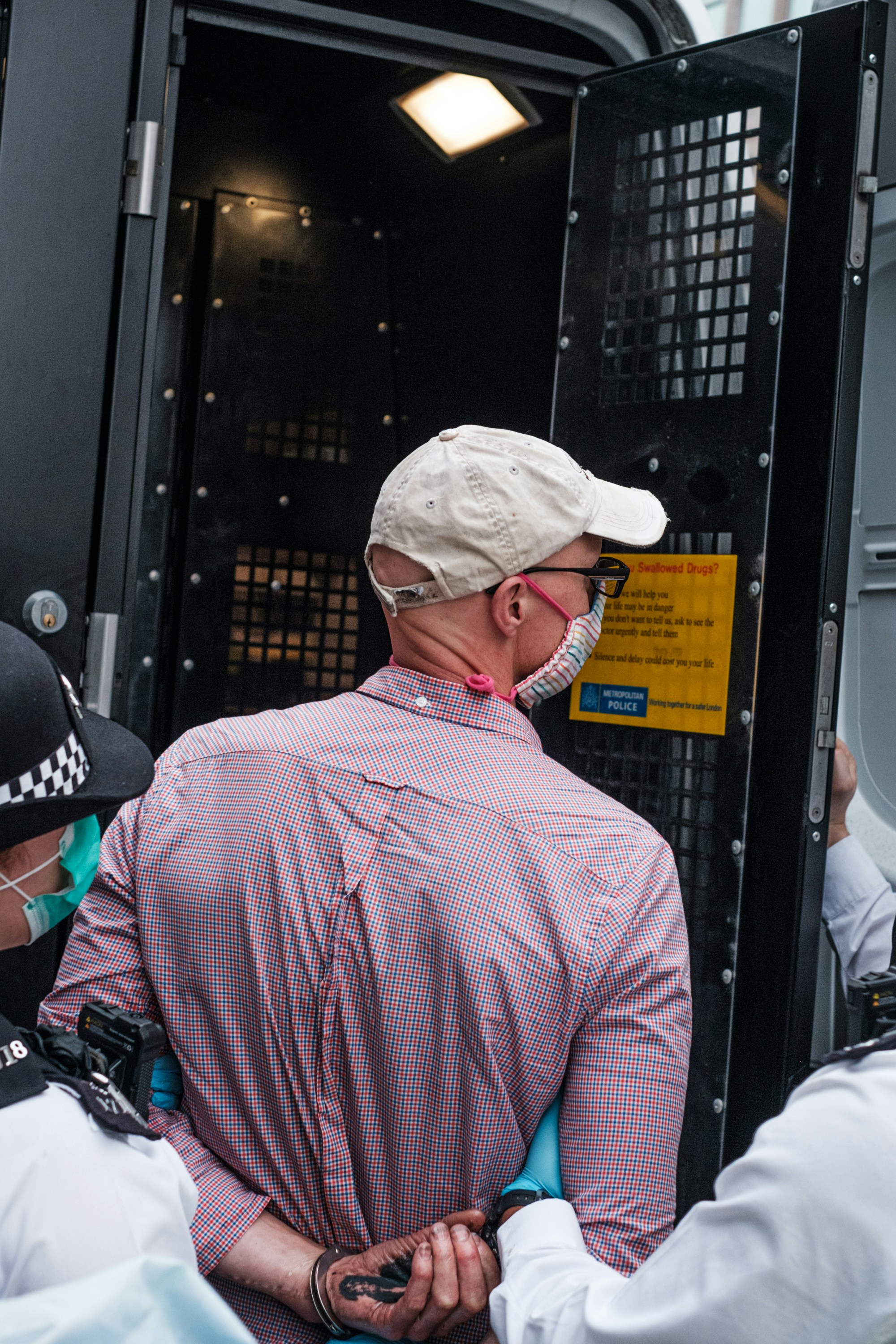
The arrest of former National Intelligence Service (NIS) Director Cho Tae-yong marks a significant moment in South Korea’s political landscape, particularly due to the allegations of legal violations and perjury associated with his tenure. The charges stem primarily from accusations of misconduct during the martial law era under President Yoon Suk Yeol, where reports suggest that Cho may have intentionally misrepresented facts to manipulate circumstances to his advantage. Specifically, the accusations include violations linked to the National Security Act, which governs the protection of state secrets and prohibits actions that jeopardize national security.
One major focus of the legal allegations revolves around perjury claims where Cho is alleged to have provided false information during official investigations into NIS operations. This raises serious legal implications under the Criminal Act, specifically the sections dealing with false testimony. Legal experts note that perjury not only undermines the integrity of judicial processes but potentially exposes Cho to further criminal charges, escalating his current legal troubles. It is essential to analyze the context in which these alleged acts occurred, as they reflect broader systemic issues within the intelligence community during a politically volatile period.
Additionally, this situation prompts speculation regarding potential motives behind Cho’s actions. Some analysts suggest that Cho’s decisions were influenced by pressures to align NIS activities with the prevailing political narrative, which could have led him to compromise on ethical standards. Such motivations can foster a lack of accountability within intelligence organizations, thus further complicating governance and oversight in this critical sphere. The implications of these charges extend beyond Cho himself, affecting public trust in the intelligence community, which is reliant on credibility and transparency to function effectively.
Implications of the Arrest on South Korean Politics and Intelligence Community
The arrest of former National Intelligence Service (NIS) Director Cho Tae-yong brings to the forefront critical questions regarding South Korea’s political landscape and public perception of its intelligence community. The impact of Cho’s arrest is expected to resonate deeply, potentially undermining public trust in both the NIS and the administration helmed by former President Yoon Suk Yeol. The allegations surrounding Cho flow from a broader context of accountability and transparency required from government officials, especially those in security and intelligence roles.
As investigations unfold, the implications for the NIS are substantial. The intelligence agency already faces scrutiny regarding its operational procedures and the extent of its accountability mechanisms. Public sentiment may further erode if it is perceived that the NIS has acted without adequate oversight or ethical considerations. This situation may prompt calls for reform within the agency, emphasizing the need for a more transparent framework that can rebuild trust among the citizenry.
From a political standpoint, the ramifications of this arrest could lead to destabilizing effects on Yoon Suk Yeol’s administration. Critics may leverage Cho’s arrest to challenge the integrity of the current government, potentially galvanizing opposition parties to enhance their influence in parliament. The ensuing political discourse may result in heightened scrutiny of government policies, with analysts predicting that public sentiment could sway significantly depending on the narrative that develops around this incident.
Moreover, ongoing and future legislative considerations regarding national security laws and the NIS’s role might be influenced by this event. The importance of accountability will likely be at the center of policy discussions, potentially leading to reforms aimed at enhancing the operations of intelligence agencies. In summary, Cho Tae-yong’s arrest is set to affect not only the NIS’s functioning but also provoke significant political repercussions for the broader political environment within South Korea.
You might also like:
- Election Preparation: Key Votes to Observe on November 4
- Avalanche (AVAX) Market Overview – October 19, 2025
- Ovidio Guzmán López: The Son of El Chapo Pleads Guilty to Drug Trafficking Charges
- Asian Stock Market Summary for November 12: Shifts and Trends
- Doxycycline: A New Frontier in Schizophrenia Prevention Among Young People