
Introduction to the Partnership
The automotive industry is undergoing a transformative shift, particularly with the rise of electric vehicles (EVs). In this evolving landscape, Volkswagen, a prominent name in traditional automotive manufacturing, has announced a strategic partnership with Xpeng, a leading Chinese electric vehicle manufacturer. This collaboration represents a significant milestone as both companies aim to leverage their respective strengths to foster innovation in the electric SUV segment.
The motivations behind this partnership are multifaceted. Volkswagen recognizes the urgent need to accelerate its transition towards electric mobility due to increasing regulatory pressure to reduce emissions and enhance sustainable practices. Similarly, Xpeng has made substantial strides in developing advanced electric vehicle technologies, particularly in software, connected services, and autonomous driving capabilities. By joining forces, these two companies aim to combine Volkswagen’s extensive experience in automotive engineering with Xpeng’s cutting-edge innovations, thereby addressing critical gaps in the current market.
This partnership also highlights the significance of globalization in the automotive sector. As the demand for electric vehicles continues to soar, the ability to integrate diverse technological advancements and market insights from different regions becomes crucial. Volkswagen’s established brand recognition and manufacturing prowess in Europe coupled with Xpeng’s agile approach and deep understanding of the Chinese EV market can lead to the development of competitively positioned electric SUVs. This collaboration is positioned to not only fulfill consumer expectations but also contribute to the broader goals of sustainability and reducing carbon footprints in the automotive industry.
In this new era for electric SUVs, Volkswagen and Xpeng’s partnership is expected to set new benchmarks in terms of performance, efficiency, and technological integration, significantly shaping the future of electric mobility. As they navigate through the complexities of this fast-paced market, their combined efforts will likely play a pivotal role in redefining the landscape of electric vehicles for consumers worldwide.
Overview of the ID. Unyx 08 Electric SUV
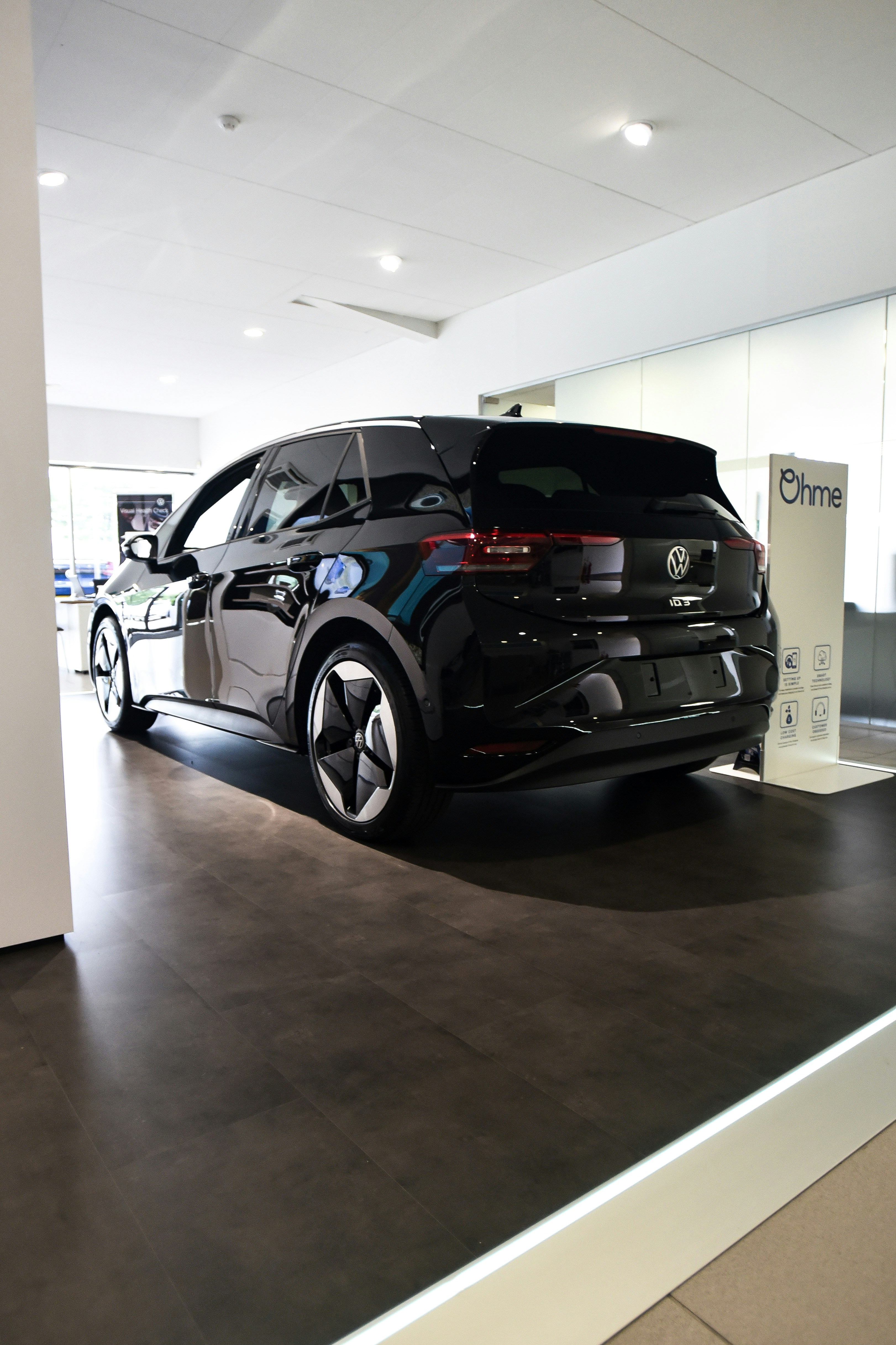
The ID. Unyx 08 electric SUV represents a significant advancement in the electric vehicle segment, merging innovation with sustainable practices. Aimed primarily at eco-conscious consumers, this vehicle showcases Volkswagen’s commitment to delivering a premium driving experience while minimizing the environmental impact. The design of the ID. Unyx 08 is both modern and aerodynamic, featuring a striking silhouette complemented by sleek LED lighting, which emphasizes its contemporary appeal. This model stands out with its spacious interior, crafted from high-quality materials that emphasize sustainability, reflecting a growing market demand for eco-friendly alternatives.
One of the ID. Unyx 08’s key differentiators is its impressive technological offerings. The vehicle is equipped with a state-of-the-art infotainment system that incorporates AI-driven features, enhancing user experience through intuitive controls and connectivity. Additionally, the integration of advanced driver assistance systems ensures safety and facilitates an easier driving experience. Such technological advancements position the ID. Unyx 08 as a leader among electric SUVs, catering to the expectations of tech-savvy consumers.
In terms of performance, the ID. Unyx 08 delivers a compelling driving experience, with an electric range that rivals existing models. Incorporating cutting-edge battery technology, this SUV allows for extended journeys on a single charge, addressing common consumer concerns regarding electric vehicle range. Furthermore, the vehicle’s acceleration and handling are enhanced by its low center of gravity, ensuring a responsive and engaging drive. Volkswagen’s focus on sustainable sourcing of materials not only enhances the vehicle’s appeal but also signifies a broader industry trend towards responsible manufacturing practices. This commitment is expected to resonate well with consumers seeking both performance and sustainability in their vehicles.
Addressing Challenges in the Electric Vehicle Market
The electric vehicle (EV) market is currently confronted with several significant challenges that hinder its widespread adoption. Among these, range anxiety remains one of the most pressing concerns for potential buyers. Consumers are often apprehensive about the distance an electric vehicle can travel on a single charge, fearing that it may not meet their daily driving needs or long-distance travel requirements. This anxiety can be alleviated by advancements in battery technology, which Volkswagen and Xpeng aim to address through their partnership with the development of the ID. Unyx 08.
In addition to range-related issues, the availability and accessibility of charging infrastructure present a considerable barrier to EV adoption. Many consumers remain skeptical about finding convenient charging stations, especially in rural areas or regions with limited infrastructure. To tackle this issue, the Volkswagen-Xpeng collaboration plans to implement innovative charging solutions that streamline the charging process, thereby enhancing customer convenience and confidence in using electric vehicles. These initiatives could significantly improve the overall charging experience for users, promoting greater acceptance of EVs like the ID. Unyx 08.
Moreover, the competitive landscape in the electric vehicle market further complicates the situation, as numerous automakers strive to establish their presence in a rapidly evolving sector. The partnership between Volkswagen and Xpeng presents an opportunity for both companies to leverage their strengths and resources to create a compelling offering that stands out in this competitive environment. As they work together on developing the ID. Unyx 08, collaboration can lead to not only improved product features but also a reinforced market position for both brands.
Ultimately, the Volkswagen-Xpeng partnership aims to address these multifaceted challenges through enhanced battery technology and innovative solutions, setting the stage for a more robust and accessible electric vehicle market.
Future Implications and Market Outlook
The collaboration between Volkswagen and Xpeng represents a significant shift in the landscape of the electric vehicle (EV) market. By combining Volkswagen’s engineering prowess and automotive experience with Xpeng’s innovative technology and understanding of the Chinese EV market, the partnership is poised to influence global market dynamics. This strategic alliance is not merely about launching the ID. Unyx 08; it sets the stage for the development of next-generation electric SUVs and other models that could cater to various segments of the consumer electorate.
The ongoing evolution in consumer behavior, particularly towards sustainability, indicates that the appetite for electric vehicles will expand. As buyers become increasingly environmentally conscious, the success of the ID. Unyx 08 could serve as a benchmark for future electric SUVs. Enhanced features, affordability, and a strong network for charging infrastructure will be vital in attracting consumers. With the favorable reception anticipated for this new model, other OEMs may accelerate their electric strategies to compete, further fueling market growth.
Furthermore, the partnership holds implications for technological advancements in EVs. Both companies are highly aware of the importance of integrating cutting-edge technologies such as autonomous driving, advanced connectivity, and superior battery capabilities. As they share knowledge and development resources, the resulting innovations could lead to more efficient manufacturing processes and greater vehicle range, which are critical features sought by modern consumers.
As this collaboration takes shape, it may also lead to scalability opportunities. The lessons learned from the ID. Unyx 08 project can potentially be applied to other electric models and markets, paving the way for broader adoption of electric vehicles. Additionally, the success of this partnership may inspire similar international collaborations, emphasizing the necessity of innovation in achieving sustainability in the automotive sector. This will not only foster consumer trust but also promote a stronger commitment to sustainable practices within the industry.
You might also like:
- iPhone Air 2 Launch Delayed: What It Means for Apple Fans
- Federal Reserve’s Third Rate Cut of 2025: Implications and Market Reactions
- Strengthening Ties: India and Russia Cooperation Amid Global Pressures
- A Year to Remember: Novak Djokovic and the Rise of Alcaraz
- World’s Top News Today: Sunday, October 19, 2025