
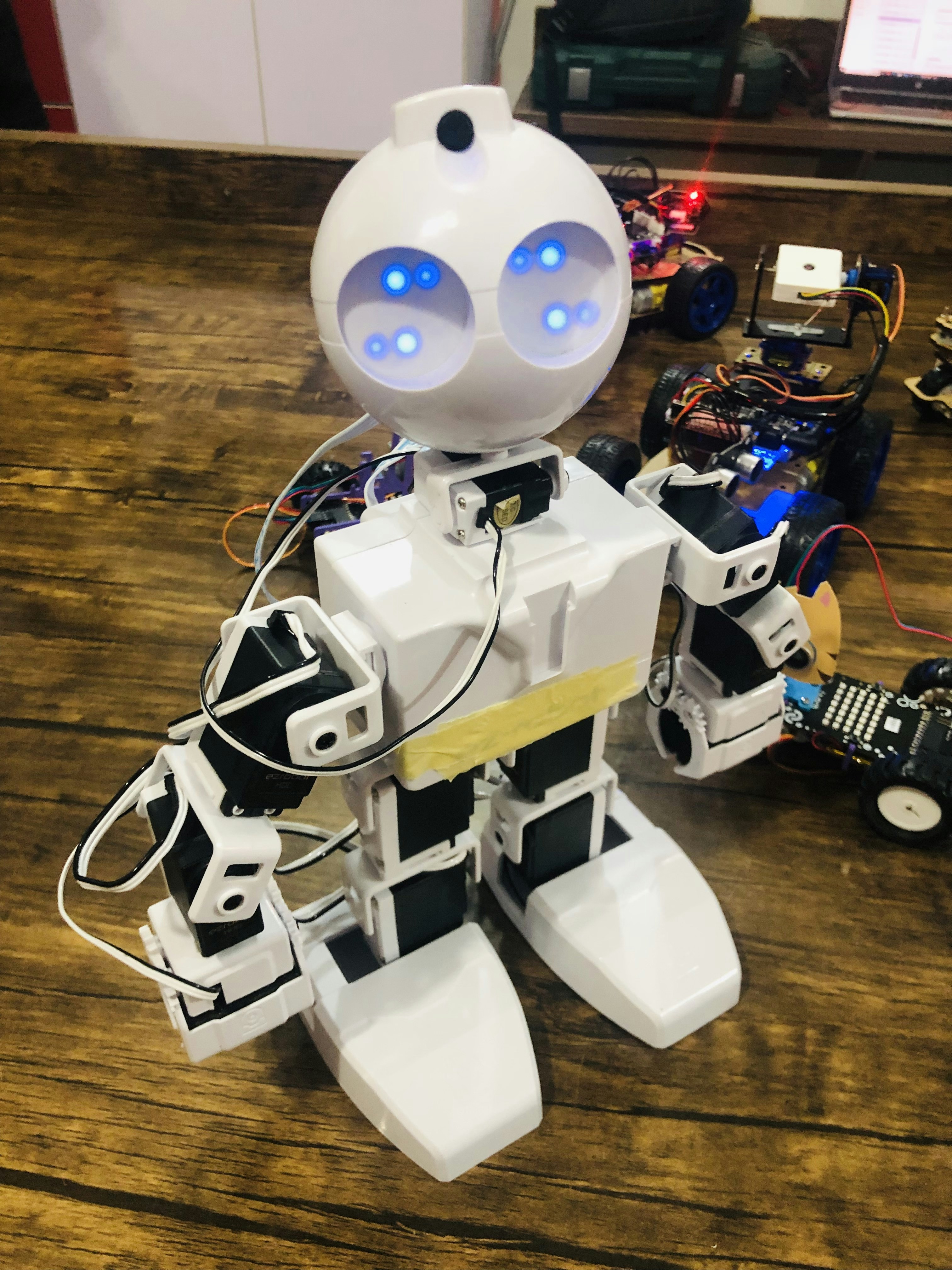
Introduction to the Technology Race
The ongoing technology race between the United States and China has intensified in recent years, particularly within the spheres of artificial intelligence (AI) and robotics. A noteworthy aspect of this competition is the development of humanoid robots, which serve as a critical indicator of each nation’s innovation capability and future technological direction. These robots are not only marvels of engineering and programming but also embody the potential to transform various industries, including healthcare, manufacturing, and service sectors.
In the United States, innovation in humanoid robots is often fueled by a combination of academic research, private-sector investment, and government funding. Leading American companies are known for their focus on cutting-edge technology and advancements in AI algorithms, enabling robots to perform increasingly complex tasks. This approach emphasizes creating robots that can work collaboratively with humans, thus enhancing productivity while prioritizing safety and efficiency.
Conversely, Chinese companies have adopted a different strategy in their pursuit of AI and robotics leadership. With substantial government backing and a robust manufacturing infrastructure, China has prioritized rapid development and mass production of humanoid robots. This strategy allows for the deployment of these technologies in various applications, from customer service in restaurants to labor-intensive jobs in factories. The Chinese approach champions scalability and accessibility, reflecting a broader goal to integrate advanced robotics into everyday life.
The contrasting methodologies adopted by America and China in developing humanoid robots underscore the urgency of this technological competition. As both nations seek to assert global leadership in AI, the evolution of humanoid robots will play a pivotal role in shaping the future landscape of technological innovation. The implications for economic growth, national security, and societal transformation are profound, making this race one of the most consequential elements of 21st-century technological advancement.
China’s Focus on Physical Development: Humanoid Robots and AI Chips
In recent years, China has significantly intensified its focus on the development of humanoid robots, with a particular emphasis on their physical capabilities and the integration of advanced artificial intelligence (AI) chips. This strategic approach has been largely driven by electric vehicle manufacturers that are now diversifying into the burgeoning humanoid robot market. These companies recognize that the future of robotics hinges on the ability to build robust machines capable of performing complex tasks across various industries, from manufacturing to healthcare.
Leading Chinese firms are investing heavily in research and development to create humanoid robots that possess enhanced dexterity, mobility, and autonomous decision-making capabilities. For instance, companies like BYD and NIO are exploring how their existing expertise in electric vehicle technology can be adapted to the design and functionality of humanoid robots. By utilizing self-developed AI chips, these firms are ensuring that their robots are not only powered by cutting-edge algorithms but are also capable of learning and adapting to their environments, thus improving their efficacy in real-world applications.
The applications of these humanoid robots are extensive. In manufacturing settings, for example, they can be deployed to automate repetitive tasks, thereby increasing productivity and reducing the risk of workplace injuries. In the healthcare sector, humanoid robots can assist with tasks ranging from patient care to medication delivery, contributing to more efficient healthcare systems. Additionally, in service industries, they can be utilized in customer-facing roles, enhancing customer experiences through interaction and service delivery.
This strategic focus on building advanced humanoid robots with self-developed AI capabilities positions China as a formidable player in the global robotics landscape, driving innovation that may redefine industry standards. As the technology race continues, it remains to be seen how these developments will shape the future of both robotics and artificial intelligence on a global scale.
The American Approach: Prioritizing Super-Intelligent AI
In the context of the escalating competition in the technology sector, particularly between China and the United States, American companies have carved a distinctive niche by emphasizing the development of super-intelligent artificial intelligence (AI). Prominent firms such as Tesla and Boston Dynamics prioritize innovative software solutions over the mere physical appearance of robots. This strategy aligns with a broader philosophy focused on enhancing cognitive functionalities, thereby enabling machines to perform complex tasks with a high degree of autonomy.
Machine learning, a core component of AI development, plays a pivotal role in this approach. It allows systems to learn from data and improve their performance over time without explicit programming. By deploying neural networks, companies can simulate human-like learning processes, enabling robots to better understand and interact with their environments. This technological architecture is crucial for creating robots that can assess situations, make decisions, and adapt to changes—capabilities that are essential for both industrial applications and everyday interactions.
In addition, the emphasis on software advancements not only enhances the operational efficiency of robotic systems but also fosters a culture of innovation within the American tech industry. Companies are increasingly investing in research and development to optimize AI algorithms that can drive superior outcomes. This focus on intelligence over form is indicative of a strategic shift; rather than simply replicating human physicality, there is a drive toward augmenting machine capabilities, thereby addressing a wider range of applications.
The implications for American industries are profound. From automotive to healthcare, enhanced AI-driven systems promise to revolutionize how tasks are completed, improving productivity and safety. As these innovations unfold, they will significantly shape societal dynamics, creating new opportunities while also posing challenges such as ethical considerations and workforce displacement. This American emphasis on super-intelligent AI signals a progressive shift, setting the stage for a future where advanced cognitive machines play crucial roles across various domains.
Implications and Future Outlook of the Technology Race
The competition between Chinese and American companies in the humanoid robot and artificial intelligence (AI) sectors is reshaping the global landscape of technology. As both nations harness their substantial resources and innovative capabilities, the implications extend far beyond their borders, affecting global markets, economies, and employment trends. The fierce race for dominance in robotics not only accelerates technological advancements but also prompts a reevaluation of economic strategies and policies worldwide.
In terms of economic impact, the technology race is likely to drive investment into automation and robotics, leading to significant growth in these sectors. Industries across the globe may face disruptions as humanoid robots increasingly assume roles traditionally held by humans. This transition could lead to job displacements in certain fields, causing concerns regarding unemployment rates and necessitating new workforce strategies. Countries will need to address this shift by focusing on reskilling initiatives that prepare workers for a technology-driven economy.
The ethical and social implications of the race for humanoid robots cannot be overlooked either. As AI systems become more integrated into daily life, critical discussions around privacy, security, and ethical use will become increasingly vital. Challenges such as AI bias, the potential for misuse of technology, and the societal effects of pervasive automation require comprehensive governance frameworks. Policymakers and industry leaders will need to collaborate on establishing regulations that safeguard human interests without stifling innovation.
Looking to the future, advancements in robotics and AI technology are poised to accelerate, influenced by the competitive dynamics between China and the United States. Innovations are expected to become more transformative, resulting in more capable and intelligent machines. The balance between intelligence and capability will play a crucial role in defining the future landscape of technology. Ultimately, as this technology race unfolds, stakeholders must remain vigilant to not only leverage technological advancements but also manage the accompanying social and economic consequences. The journey ahead promises to be both challenging and rewarding as nations navigate the complexities of humanoid robot integration.