
The Evolution of Robotics in the Food Service Industry
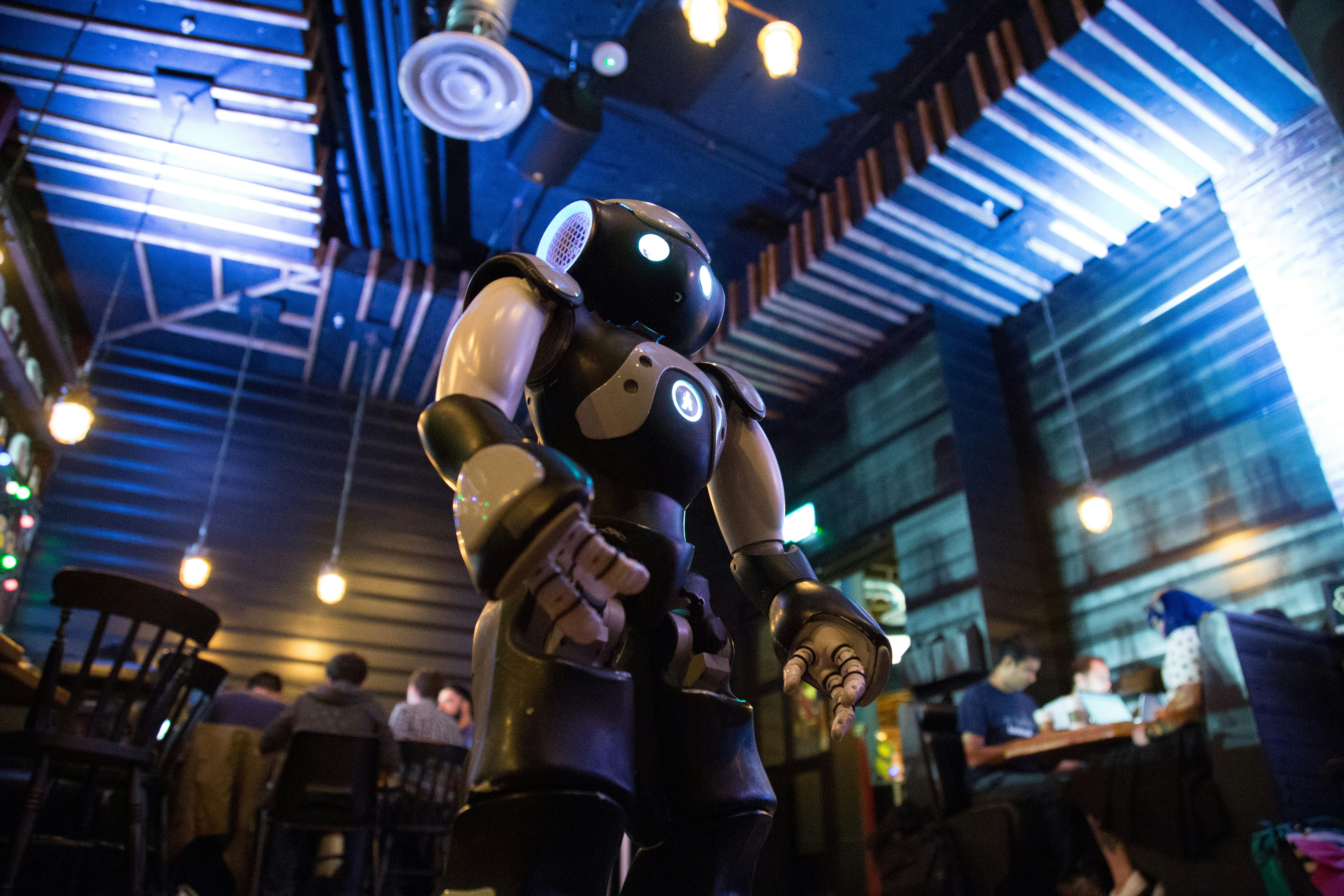
Robotics in the food service industry has undergone remarkable transformations, significantly influenced by advancements in technology and changing consumer needs. Initially, basic automation in food preparation emerged with the introduction of machinery designed for mass production in the mid-20th century. However, the last two decades have witnessed a rapid evolution, paving the way for sophisticated robots capable of performing complex tasks. The development of robot baristas and chef robots exemplifies this shift, leading to improved efficiency and consistency in food preparation.
Today’s robot baristas, such as those developed by brands like Stauro Robotics, demonstrate the capabilities of modern robotics. These machines can brew various coffee beverages, execute intricate latte art, and even personalize drinks based on customer preferences. By automating the barista role, these robots alleviate labor shortages while maintaining a high standard of service. Furthermore, such innovations enhance customer satisfaction by reducing wait times and ensuring uniformity across beverages.
Similarly, the introduction of chef robots, like those designed by Moley Robotics, has revolutionized the kitchen environment. These robots possess the ability to prepare a wide array of meals by mimicking human chefs, using advanced sensors and artificial intelligence to gauge ingredients, temperatures, and cooking times. Their accuracy not only results in consistent food quality but also allows human chefs to focus on more creative aspects of cooking. In turn, this collaboration leads to a more dynamic culinary experience.
As the food service sector grapples with persistent labor shortages, the integration of robotics offers a viable solution. By enhancing operational efficiency, ensuring consistency, and improving service quality, robots are reshaping the industry landscape. The evolution of robotics in the food service industry signifies an exciting future that harmonizes technology with culinary arts, ultimately benefiting both businesses and consumers alike.
Smart Cleaning Solutions: The Growth of Robot Vacuums and Cleaning Services
In recent years, the popularity of smart cleaning solutions, particularly robot vacuums, has surged significantly. These technological advancements have transformed the landscape of household cleaning, providing unprecedented convenience and efficiency. Modern robot vacuums are equipped with sophisticated features such as mapping capabilities, allowing them to navigate homes intelligently. This technology enables them to create detailed maps of their environment, ensuring thorough and systematic cleaning in a way that was previously unattainable with traditional methods.
Additionally, the integration of app connectivity adds another layer of convenience for users. Homeowners can control robot vacuums through mobile applications, giving them the flexibility to start or schedule cleaning sessions remotely. This feature is particularly beneficial for busy households where time is of the essence. The autonomous operation of these devices means that they can clean continuously without human intervention, allowing families to focus on other tasks while ensuring that their living spaces remain pristine.
Consumers have increasingly recognized the benefits associated with employing robot vacuums. Not only do these devices save time and effort, but they also offer consistent cleaning performance. Comparisons between robot vacuums and traditional cleaning methods highlight the efficiency and reduced labor involved in using smart cleaners. While traditional methods often require more manual effort, robot vacuums operate seamlessly, requiring less human oversight while delivering effective results. Moreover, the continuous advancements in cleaning technology have led to improved suction power and dust management systems in these devices, solidifying their place in modern households.
Ultimately, as robot vacuums evolve, they are becoming essential household items that contribute to a cleaner, smarter living environment. With their ability to combine technology and convenience, these smart cleaning solutions are shaping the future of home maintenance and redefining our approaches to cleanliness.
Robots in Pet Care: Enhancing Our Relationship with Pets
The emergence of technology has significantly transformed the pet care market, leading to the development of innovative robotic solutions that cater to the needs of pets and their owners. Among these innovations are automatic feeders, treat dispensers, and robotic companions, all designed to enhance the overall experience of pet ownership. By integrating these devices into daily routines, pet owners can ensure that their furry friends are well taken care of, even when they are not physically present.
Automatic pet feeders, for example, provide a convenient way for owners to manage feeding schedules, portion sizes, and dietary preferences. With programmable settings, these devices allow pet owners to maintain consistency in their pets’ diets, reducing the risk of overfeeding or neglecting meals. Additionally, many models come equipped with mobile applications, enabling owners to monitor their pet’s eating habits remotely. This feature is particularly beneficial for busy professionals or those who travel frequently, ensuring that pets remain healthy and satisfied in their absence.
Moreover, treat dispensers and engaging robotic companions are redefining interactive playtime for pets. These devices can dispense treats on command or provide entertainment through games that keep pets mentally stimulated. Robotic companions can mimic human interaction, offering companionship and exercise to pets. This not only helps alleviate anxiety and loneliness in pets but also fosters a stronger bond between pets and their owners, even from a distance.
Looking ahead, the future of robotic pet care is promising, with anticipated advancements in artificial intelligence and machine learning further enhancing these technologies. We can expect more intuitive devices that can learn from a pet’s behavior, adapting their functionality to better suit individual needs. This evolution in pet care robotics holds the potential to significantly improve pet health and wellbeing, ensuring happier, healthier lives for our beloved companions.
The Future of Family Robotics: Smart Assistants in Our Homes
The integration of robotics within the family unit marks a transformative shift in how we interact with technology at home. Smart assistants, a key component of this revolution, offer unprecedented convenience, making daily tasks easier and more efficient. Through the use of advanced artificial intelligence, these robots can assist with various household chores, from managing schedules and reminding family members about important dates to controlling smart appliances. This level of support not only saves time but also enhances the overall quality of life for families, allowing individuals to focus on more meaningful interactions.
Safety is another paramount benefit that smart home assistants bring into family environments. These robotic systems are often equipped with sensors and monitoring capabilities that can alert homeowners to potential hazards, such as water leaks or intrusions. Furthermore, the ability of these devices to connect to home security systems adds a layer of protection, ensuring peace of mind for residents. As technology advances, the predictive capabilities of these robots are expected to improve, providing insights that can further bolster safety within the household.
However, the rise of smart assistants brings forth ethical considerations that warrant discussion. The delicate balance between human interaction and robotic assistance is crucial. While robots offer companionship, there is a risk of decreased human relationships if families become overly reliant on these systems. It is essential to navigate this landscape thoughtfully, ensuring that technology serves to enhance, rather than replace, human connection.
Looking ahead, the future of family robotics is promising with advancements in AI and machine learning. As these technologies evolve, we can expect even greater integration of smart assistants in our homes, fostering not only improved household management but also enriched family dynamics. Robotics in the family sector stands to enhance not just efficiency, but also the emotional and social well-being of family members, paving the way for a more collaborative household environment.
You might also like:
- Jannik Sinner’s Dominance at the 2025 Paris Masters: A New Era of Tennis
- China Unveils Affordable Cement-Paving Hypersonic Missile
- G-Dragon’s Journey: Overcoming Past Suspicion and Renewed Dedication to Music
- Escalating Tensions: Thailand Suspends Peace Deal with Cambodia Amid Border Incidents
- President Trump’s Historic Visit to Japan: An Overview of His Aircraft Carrier Announcement