
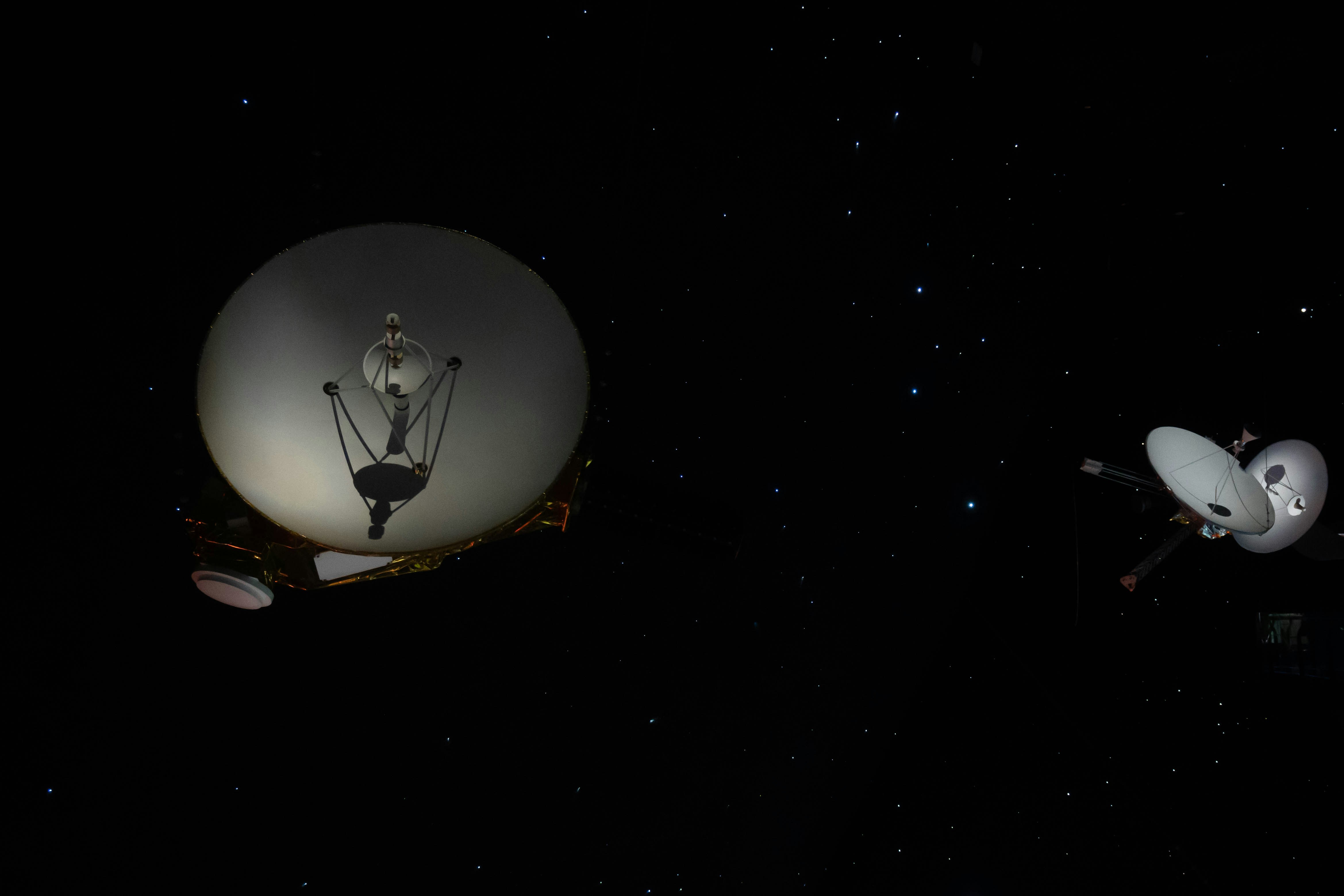
The Escalating Tensions in Space
The modern landscape of outer space is becoming increasingly complex and fraught with tension, suggesting that the cosmos may evolve into a future theater for conflicts among nations. As the technological capabilities of space-faring nations expand, so does the militarization of space, a reality that is causing apprehension among global powers, particularly France. The growing concerns regarding this military buildup in space are not unfounded, as competing nations assert their dominance, thereby further complicating international relations.
In recent years, the space domain has witnessed a marked increase in surveillance and reconnaissance activities, heightening suspicions and increasing the pace at which nations are developing their own space capabilities. One of the prominent players in this arena is Russia, which allegedly has been involved in espionage targeting foreign satellites. These activities exemplify the aggressive posturing that has characterized behaviors among nations vying for supremacy in space. The implications of such conduct are profound, as it not only jeopardizes national security but also raises the specter of potential confrontations beyond Earth’s atmosphere.
Furthermore, the collaboration between various nations in military and civilian space initiatives adds another layer of complexity to the conversation. With the involvement of private sector entities and international partnerships, the delineation between military and non-military uses of space becomes increasingly blurred. This ambiguity can lead to misunderstandings and unintended escalations between countries, underlining the urgent need for comprehensive space governance and policy frameworks that can mitigate these risks. France, recognizing the potential for conflicts in this domain, is proactively developing its space strategy, aiming to safeguard its interests while navigating the increasingly competitive environment.
Accusations Against Russia: The Shadow of Espionage
In recent years, France has voiced serious allegations against Russia, contending that the latter has engaged in a range of espionage activities targeting French satellites. Such claims have emerged amid a backdrop of heightened geopolitical tensions, where space has transformed into a pivotal domain of both cooperation and conflict. The French government has cited specific incidents where Russian satellites were purportedly observed maneuvering suspiciously close to their assets, sparking concerns about potential surveillance operations.
One notable incident involved the French military’s identification of a Russian satellite, Luch-Olymp, allegedly altering its orbit to closely track a French reconnaissance satellite. This incident, among others, raises substantial questions regarding the methods employed by Russia for espionage in space. The suspected techniques include sophisticated tracking algorithms that allow adversaries to monitor communications and operations of foreign satellites. As satellites increasingly serve critical functions, including national security and intelligence gathering, the implications of such spying behaviors are profound.
These allegations, if substantiated, could lead to significant ramifications for international relations, as they may compel France to take decisive action to protect its investments and interests in space. In an era where space capabilities are crucial for national defense, espionage incidents could strain diplomatic ties and contribute to an arms race in space technologies. As nations seek to secure their assets from unauthorized surveillance, the geopolitical landscape may witness the establishment of new treaties and alliances aimed at enhancing collaboration on space security.
Ultimately, France’s accusations against Russia regarding space espionage represent a critical development in the ongoing discourse surrounding the militarization of space and the need for robust regulatory frameworks. Such dynamics underscore the urgency for countries to address the challenges emerging from the intersection of space activities and security concerns.
France’s Response: The $4.9 Billion Investment in Space Defense
France has undertaken a significant initiative to fortify its space defense capabilities, committing a substantial $4.9 billion investment aimed at enhancing its strategic posture in space. This funding is a crucial element of France’s comprehensive space strategy, reflecting the government’s recognition of the increasing threats posed by potential adversaries in the cosmic arena. A major component of this investment will be directed towards advancing satellite surveillance systems, which are essential for monitoring and assessing activities in space. By improving its surveillance capabilities, France aims to ensure situational awareness to preempt any hostile actions that may jeopardize national security.
Another priority of this ambitious investment package includes developing advanced defensive technologies, which will serve to safeguard French assets in orbit. This may encompass a variety of systems, such as those designed to protect satellites from potential interference, collision, or attacks that could disrupt critical communications and navigation services. This growing emphasis on space defense reflects an acknowledgment that the security landscape is evolving, necessitating robust measures to counteract the capabilities of rival nations.
In addition to enhancing current capabilities, the investment will also facilitate research initiatives aimed at future technological advancements. By fostering innovation in space defense applications, France seeks to maintain its competitive edge and leadership role in global space exploration and security. Moreover, this proactive approach not only emphasizes the importance of safeguarding French interests but also signals to the international community France’s commitment to playing a pivotal role in shaping the future of space governance and defense strategies. Such efforts will not only bolster national security but also contribute to long-term stability and peace in outer space.
Looking Ahead: The Future of Warfare in Space
The landscape of warfare is evolving, and as nations like France solidify their space strategies, understanding the implications of space as a contested frontier becomes imperative. France’s proactive approach signifies a recognition of outer space as not merely a domain for exploration but a potential theater for conflicts. As military capabilities advance, the integration of cutting-edge technologies, such as artificial intelligence and satellite warfare, is likely to redefine the nature of conflict beyond our atmosphere. The rapid development of these technologies may enable new forms of engagement or, conversely, exacerbate existing tensions among spacefaring nations.
Moreover, the future of warfare in space cannot be viewed in isolation. The importance of international collaboration and treaties is paramount in developing a framework that promotes peace and discourages an arms race. Current legal frameworks, such as the Outer Space Treaty of 1967, emphasize the peaceful use of space; however, the rapidly changing technological landscape necessitates the reevaluation and reinforcement of such agreements. Ensuring that all nations abide by established norms will be pivotal in maintaining global security. France’s commitment to strategic partnerships and cooperative initiatives signals a willingness to engage with the international community in addressing these challenges.
As we look toward the future, the narrative of space unfolds as a double-edged sword. On one hand, there exists the promise of scientific advancement and global cooperation. On the other, we face the potential for geopolitical strife fueled by national interests and competition for resources beyond Earth. The approach taken today will indelibly shape the security dynamics of tomorrow and highlight the importance of diplomacy in mitigating conflicts. The need for states, like France, to advocate for responsible governance in outer space is crucial to ensuring a peaceful and stable environment, allowing humanity to explore and utilize space benefits collectively.
You might also like:
- Manchester United Secures Comeback Victory Over Crystal Palace
- The Role of AI in Healthcare: Transforming Diagnostics and Streamlining Processes
- Shocking Upsets and Rivals: Changes at the Paris Masters 2025
- Blackpink’s Exciting New Music Video and Their Individual Billboard Achievements
- Shock at the Etihad: Manchester City Falls to Bayer Leverkusen