
Overview of European Market Performance
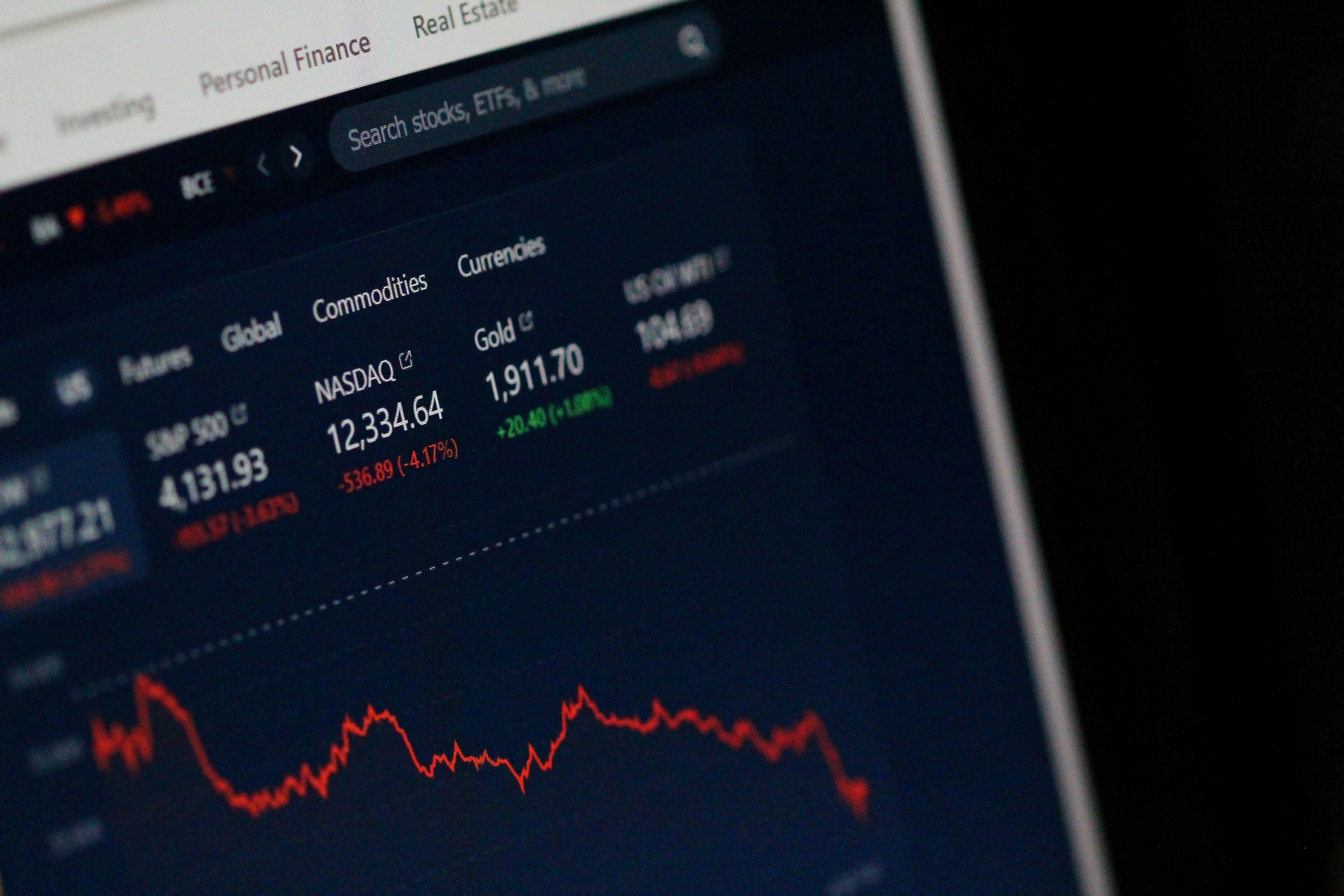
On November 14, 2025, the European markets exhibited notable downward trends, reflecting a broader sentiment of concern among investors. The DAX index in Germany closed at a significant decline of 2.3%, signaling performance vulnerabilities amid economic uncertainties. This downturn came as a stark reminder of the volatility that can permeate financial markets in challenging times. The decline in the DAX is indicative of investor apprehension regarding potential economic slowdowns and geopolitical tensions that may impact the region.
In the United Kingdom, the FTSE 100 index mirrored the negative sentiment, closing down by 1.8%. The reduction in the index underscored the ongoing challenges faced by key sectors such as energy and utilities, which have been under pressure due to fluctuating commodity prices and regulatory changes. Market analysts suggest that this trend is reflective of larger global economic shifts that are impacting the local market dynamics.
Meanwhile, the CAC 40 in France also faced headwinds, concluding the trading session with a decline of 2.1%. The French index’s downturn highlights investor concerns regarding domestic economic indicators, including inflation rates and employment figures, which may constrain consumption and investment in the near term. Overall, the performance of the major indices on this trading day not only conveys a snapshot of investor sentiment but also sets the stage for deeper analysis into the underlying factors contributing to the observed declines.
Consequently, the cumulative declines across these markets reveal a landscape marked by caution and uncertainty, prompting market participants to reassess their strategies amidst fluctuating conditions. This comprehensive overview serves as a precursor to the intricate assessments needed to understand the multifaceted influences at play.
Key Factors Influencing Market Declines
The downward pressure on European markets on November 14, 2025, can be attributed to several macroeconomic factors that have collectively undermined investor confidence. A significant contributing element has been the release of weaker-than-expected macroeconomic data in the days leading up to this trading session. Reports indicating slowing growth, declining consumer sentiment, and subdued industrial output painted a grim picture of the overall economic landscape. This disappointing data stirred apprehension among investors, leading to a cautious approach as they reassessed their portfolios amidst uncertainty. Consequently, market participants began to scale back their exposure to equities, further exacerbating the downward trend.
In addition to domestic economic indicators, the influence of negative sentiment spilling over from the US markets has played a crucial role in shaping European market dynamics. Investors closely monitor global market interactions, and in this instance, the sharp declines observed on American indices set a pessimistic tone across the Atlantic. The interconnectedness of financial markets means that adverse movements in one region can reverberate throughout others, creating a ripple effect that affects local economies. Traders and investors in Europe reacted to American market fluctuations, resulting in accelerated sell-offs as concerns mounted over potential impacts on global trade and economic conditions.
As these factors unfolded, the cumulative impact led to heightened volatility in European markets, further compounding investor worries. The combination of disappointing macroeconomic data and the spillover effects from US markets created a challenging environment for stakeholders. The complexities of these interrelated factors underline the delicate balance that exists between local economies and the broader global marketplace, influencing trends and investor behaviors in significant ways. The landscape remains uncertain, prompting continued surveillance of economic developments and market movements in the weeks ahead.
Impact of European Central Bank’s Monetary Policy
The European Central Bank (ECB) plays a vital role in shaping both market expectations and investor behavior within the Eurozone. Its monetary policy decisions significantly influence interest rates, liquidity, and overall economic stability. As it has adopted a cautious stance towards monetary policy in recent months, this cautious approach has raised concerns among investors, leading to increased uncertainty in the markets. In particular, the ECB’s hesitance to make aggressive moves regarding interest rate adjustments has left many market participants questioning the pace of economic recovery.
The recent communication from the ECB, which hints at a more dovish tone, has the potential to dampen investor sentiment. Investors are often looking for signals that indicate a roadmap for future monetary policy, particularly in light of fluctuating inflation rates and ongoing geopolitical tensions. The ECB’s reluctance to provide clear guidance on interest rate changes or to implement further quantitative easing strategies may exacerbate worries over a slowing economy. This has resulted in heightened volatility and downward pressure in European markets, indicating that investor confidence is faltering.
Moreover, as the ECB grapples with balancing its dual mandate of ensuring price stability and supporting economic activity, its policy decisions become increasingly scrutinized. The uncertainty regarding inflation forecasts and growth expectations can lead to misalignments in market pricing, causing ripple effects throughout the economic landscape. In this context, the ECB’s monetary policy is a critical component influencing the broader market climate in Europe, dictating not just investor sentiment but also significantly impacting overall economic growth forecasts.
In conclusion, the cautious monetary policy stance adopted by the ECB is proving to be a pivotal factor contributing to the current unease in the European markets. Understanding its implications is essential for investors looking to navigate the complexities of the evolving economic landscape.
Looking Ahead: Future Market Predictions
As European markets navigate the pressures observed on November 14, 2025, attention turns to future market behavior and potential recovery pathways. Economic indicators, including GDP growth rates, unemployment figures, and consumer sentiment, will play significant roles in shaping the market landscape in the coming months. Analysts anticipate that these metrics could reveal critical insights into both the short-term and long-term health of the European economy.
Recent observations suggest that macroeconomic data released in December 2025 will be pivotal. The European Central Bank (ECB) is expected to adjust its monetary policy in response to the stagnation reflected in market performance. Predictions indicate that a careful balance between interest rate adjustments and quantitative easing could be employed to encourage investment and consumer spending. Such policy changes may be aimed at stabilizing financial markets and promoting economic growth, which could set the stage for recovery in early 2026.
Additionally, external factors from international markets will undoubtedly impact European market dynamics. The ongoing geopolitical tensions and changes in global supply chains may create ripples across Europe’s economic framework. It remains crucial for investors to remain vigilant about trends emerging from key international players, especially those within the Eurozone and the United States. Developments in trade agreements and external economic policies will also play a significant role in determining market stability.
Furthermore, sector-specific performances are likely to diverge, with technology and renewable energy sectors potentially benefiting from increased investments in sustainability initiatives. Conversely, traditional sectors may continue to face challenges amidst fluctuating consumer preferences. Observing these shifts will be essential for making informed investment decisions moving forward.
In summary, while the current outlook for European markets presents challenges, understanding macroeconomic indicators, anticipating policy adjustments from the ECB, and monitoring global influences will be vital for predicting market trends and preparing for potential shifts in the economic landscape.
You might also like:
- L’ascension de nouvelles étoiles : Selena Gomez et la Génération Z dans la musique
- Seamless Cross-Platform File Sharing: Android’s Quick Share Meets iPhone’s AirDrop
- Navigating French Cryptocurrency Regulations: What You Need to Know
- The Ongoing Struggles: Floods and Landslides in Asia
- Samsung Exynos 2600 Processor: A Game Changer in Performance Against Apple M5