
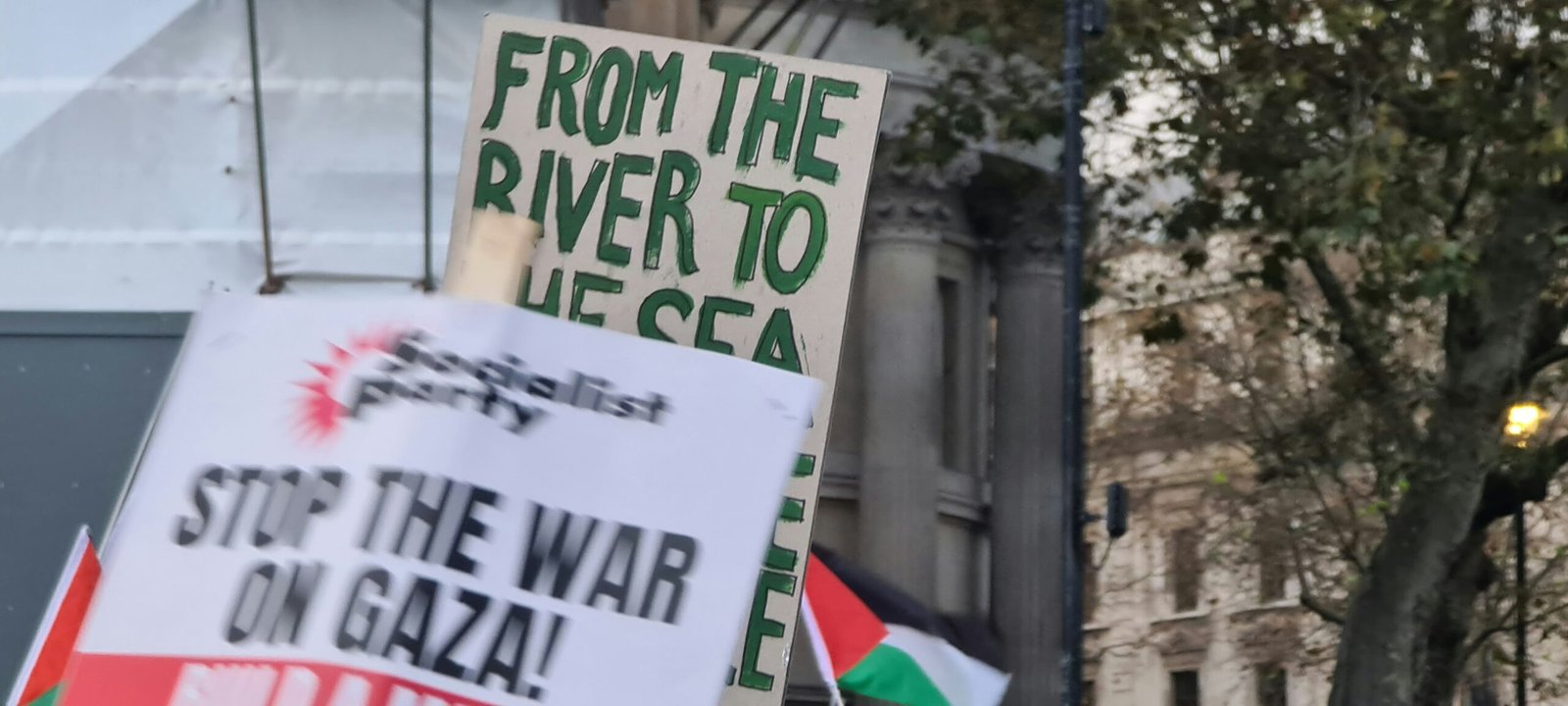
Overview of the Israel-Hamas Conflict
The Israel-Hamas conflict is rooted in a complex history of political and territorial disputes that have evolved over decades. The origins of Hamas date back to the late 1980s, when it emerged during the First Intifada as an offshoot of the Muslim Brotherhood. Its founding aimed to establish an Islamic state in the region and challenge the authority of the Palestine Liberation Organization (PLO). Over time, Hamas gained significant support among Palestinians, particularly for its social services and its perceived resistance against Israeli occupation.
Hamas’s role in Palestinian politics became pronounced in 2006 when it won a significant electoral victory, leading to a division between the Hamas-controlled Gaza Strip and the Fatah-led West Bank. This political split has created a fragmented Palestinian governance structure, complicating peace prospects with Israel. Tensions escalated into violent confrontations, notably in 2008, 2012, and 2014, with each round of conflict leading to substantial casualties and humanitarian crises, especially in Gaza.
The Gaza Strip, which became a focal point of the conflict, has witnessed significant suffering due to blockades, military campaigns, and internal governance challenges. Israel views Hamas as a terrorist organization, justified by its charter, which originally called for the destruction of Israel. In response to rocket attacks targeting Israeli civilians, Israel has conducted operations aimed at neutralizing Hamas’s military capabilities. The cyclical nature of violence has deepened the humanitarian crisis in Gaza, prompting widespread international condemnation and calls for resolution. Efforts to broker peace have often faltered, due to deep-seated mistrust and divergent objectives between the factions involved.
Thus, the Israel-Hamas conflict is marked by a history of violence, political fragmentation, and humanitarian fallout, revealing the intricate dynamics that continue to fuel discord in the region.
The UN Security Council Resolution
The recent US-drafted resolution adopted by the United Nations Security Council represents a strategic effort to address the ongoing Israel-Hamas conflict, particularly in the context of the humanitarian crisis in Gaza. The resolution emphasizes the necessity for an immediate cessation of hostilities and proposes the deployment of an international stabilization force aimed at restoring peace and security in the region. One of the main objectives outlined in the resolution is to provide humanitarian assistance to the affected populace, ensuring that aid reaches those in desperate need amidst the ongoing violence.
The resolution also underscores the importance of re-engaging in the long-stalled peace process between Israel and Palestine, seeking to foster dialogue that could lead to a sustainable resolution. The effectiveness of this initiative heavily relies on the support from various nations, with the United States playing a critical role in shaping the resolution’s direction. Reactions among member states have varied widely, with some nations expressing strong support for the humanitarian provisions while others remain skeptical about the potential for long-term peace.
In terms of procedural aspects, the resolution navigated a complex landscape of international diplomacy within the UN framework. The passage of the resolution required a thorough examination of existing treaties and agreements related to the Israel-Palestine conflict. Consequently, it involved significant negotiations among member states, highlighting the intricacies involved in reaching a consensus in a multifaceted geopolitical environment. These procedural steps not only underscore the challenges of formulating effective international responses but also reflect the evolving dynamics of global diplomacy as the world looks to the UN as a platform for conflict resolution.
Reactions from Key Stakeholders
The recent UN Security Council resolution aimed at addressing the ongoing Israel-Hamas conflict has sparked a range of reactions from key stakeholders involved in the situation. The Hamas movement, which governs the Gaza Strip, has firmly rejected the resolution. Hamas officials have expressed their discontent, arguing that the resolution fails to adequately acknowledge and uphold the rights of the Palestinian people. They have asserted that any international involvement that does not consider Palestinian sovereignty will be viewed as a continuation of oppression. This rejection underscores Hamas’s commitment to the Palestinian cause and highlights the group’s stance against perceived external interference in their affairs.
On the other hand, the Israeli government, led by Prime Minister Benjamin Netanyahu, has also voiced strong objections to aspects of the Security Council resolution. Netanyahu has expressed concern over the proposal for an international force to oversee the situation in Gaza, arguing that this could undermine Israel’s sovereignty and security measures. The Israeli administration contends that such a force may not be able to effectively maintain peace or prevent Hamas from gaining strength. As a result, they argue that reliance on international oversight could be detrimental to Israel’s national interests. This perspective reflects deep-seated fears of potential external bias and the belief that security must remain in the hands of the Israeli state.
The contrasting responses from Hamas and the Israeli government illustrate the complexities embedded within the conflict. While both parties express a desire for peace and resolution, their interpretations of international intervention differ significantly. The rejection by Hamas and the concerns from the Israeli leadership suggest that reaching a consensus on a path forward will require nuanced dialogue and a respect for the diverse perspectives involved.
Future Prospects and Challenges
The ongoing Israel-Hamas conflict remains a necessary focus in discussions surrounding regional stability and global peace efforts. Following the recent adoption of the UN Security Council resolution, several potential scenarios emerge that can significantly influence the future trajectory of both the conflict and broader peace initiatives in the region. One critical consideration is the feasibility of deploying an international stabilization force. This force could aim to maintain order and protect civilians, thereby reducing immediate hostilities. However, operationalizing such a force presents numerous complications, including securing consent from both parties, disarming militant groups, and addressing the logistical challenges inherent in such deployment.
Even with the framework of international intervention, it is important to recognize that sustainable peace requires more than temporary ceasefires or the presence of external forces. It must also address the underlying grievances that fuel the Israel-Hamas conflict, such as territorial disputes, humanitarian access, and the right to self-determination. Engagement with a diverse range of stakeholders, including regional actors and civil society, is crucial for fostering an inclusive dialogue that prioritizes long-lasting solutions.
However, the road ahead is fraught with challenges. Ongoing hostilities continue to pose a significant obstacle to stabilizing efforts. With both sides entrenched in their positions, sporadic violence can quickly undermine diplomatic progress and humanitarian initiatives. Furthermore, the broader regional dynamics, influenced by external actors with vested interests, complicate the potential for a unified approach toward peace. External influences may serve as either a catalyst for escalated tensions or, conversely, a means to mediate dialogue, depending on their vested interests.
Ultimately, the future implications of these developments hinge on the commitment of all actors to pursue genuine reconciliation and cooperative efforts towards achieving a lasting peace. The interplay between these factors will play a pivotal role in shaping the path forward in the Israel-Hamas conflict and its implications for regional diplomacy.
You might also like:
- Baba Vanga’s Predictions for 2026: Alien Spaceships and World War III
- Iran Closes the Strait of Hormuz: What You Need to Know
- Archaeologists Found out 108-Year-Passe Remains of WWI Squaddies. Their Bones Were Mysteriously Crimson.
- Protein Test Would perchance also Complement Crime Scene DNA Diagnosis
- American Bitcoin’s 2025 Financial Challenge: Exploring Losses and Strategies
