
Current State of Bitcoin
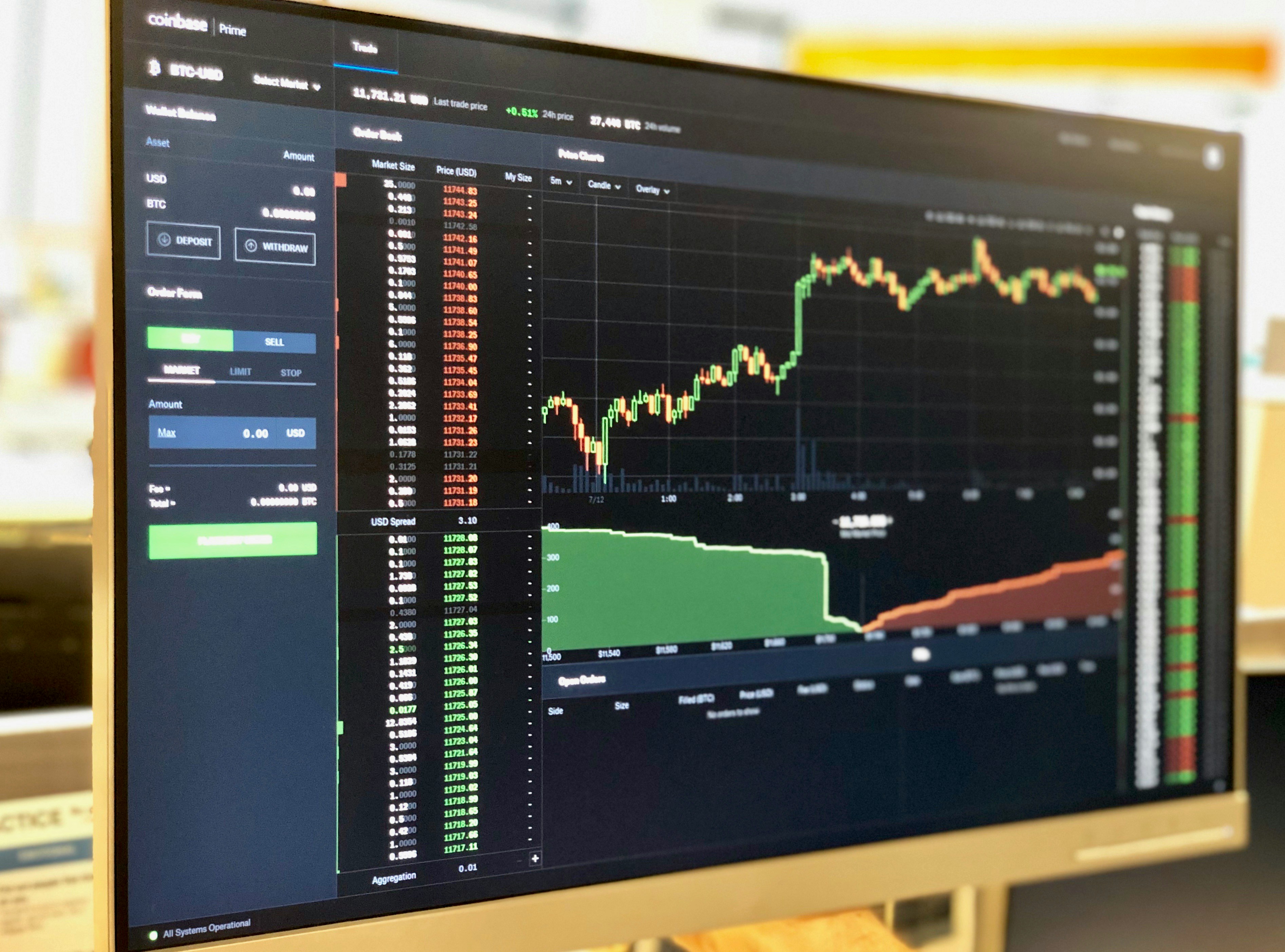
As of the latest observations, Bitcoin is trading around the $82,000 mark, indicating a significant decline from its recent peak prices. This rapid downward trend is a pivotal concern for investors and market analysts alike. The cryptocurrency has witnessed extreme volatility over the past few weeks, driven by several contributing factors, including regulatory changes, macroeconomic trends, and shifting investor sentiment.
A notable reason for Bitcoin’s swift decline relates to growing scrutiny from regulatory bodies worldwide. Governments are increasingly looking into cryptocurrency transactions, seeking to impose stricter regulations that could impact trading conditions. Additionally, the recent fluctuations in the global economy, including inflationary pressures and fluctuating interest rates, have led to a cautious approach among investors. The fear of potential losses in such an unpredictable environment often prompts many to divest from riskier assets, including Bitcoin.
Investor sentiment has also played a significant role in the ongoing price dynamics of Bitcoin. Many traders have shifted their strategies amidst concerns regarding the asset’s long-term stability. The speculative nature of cryptocurrency markets tends to amplify reactions to price changes; thus, a drop in Bitcoin’s value often triggers further selling activity. Furthermore, the influence of social media and public sentiment cannot be overlooked, as discussions surrounding Bitcoin can incite rapid shifts in market confidence.
The impact of these fluctuations extends beyond individual traders; it influences the overall market sentiment and can deter potential investors considering entering the cryptocurrency space. The current volatility underscores the importance of cautious investment strategies, as new and seasoned investors alike navigate the unpredictable waters of cryptocurrency trading. Understanding these dynamics is essential for anyone looking to invest in Bitcoin during this uncertain terrain.
Historical Support Levels
The analysis of historical support levels is crucial in understanding Bitcoin’s price behavior, particularly as it approaches significant thresholds like the $70,000 mark. Historically, support levels are price points where buying interest has been strong enough to overcome selling pressure, leading to price appreciation. Observing past performance can provide valuable insights into potential future movements.
In the context of Bitcoin, the $70,000 level holds particular significance. Prior rallies and corrections have illustrated that Bitcoin tends to react notably around frequently traded price zones. For instance, in April and November 2021, Bitcoin experienced substantial surges that brought it to those higher price levels, resulting in a robust emotional and speculative trading environment. Each of these spikes was followed by corrections, but they established $60,000 and $70,000 as crucial psychological thresholds and support levels.
Furthermore, analyzing historical patterns reveals that Bitcoin has frequently tested and rebounded off key support levels before. For example, during the price crash in May 2021, Bitcoin hovered around the $30,000 mark, which acted as a strong support level before a significant recovery ensued. Such price behavior illustrates that traders often look for previous support zones to gauge potential rebound points.
By referencing key data points and corresponding charts from previous market cycles, one can see how Bitcoin has repeatedly shown resilience near these psychological levels. As Bitcoin now treads near $70,000, historical data may suggest that a bounce back could be plausible, provided buying interest resurfaces. Examination of these past support levels not only informs expectations but also underscores the volatile and reactive nature of Bitcoin trading, making it imperative for investors to stay alert as the market evolves.
Potential Outcomes of the Current Decline
As Bitcoin continues its rapid decline, there are several potential outcomes that may unfold, particularly if the price approaches the significant support zone of $70,000 or further drops to the critical $40,000 level. Analyzing these scenarios can provide valuable insights into the future direction of Bitcoin and help investors gauge the potential for recovery or further downturns.
If Bitcoin approaches the $70,000 support zone, market participants will watch crucial indicators such as trading volumes and market sentiment closely. A strong defense of this level could instill confidence among traders, potentially leading to a rebound. Increased buying interest at this point might indicate that the market sees this level as a value point, leading to a positive psychological effect and stimulating demand. Conversely, if trading volumes diminish as the price nears this support, it could signal weakening interest and a possible breakdown below this threshold.
On the other hand, if Bitcoin fails to sustain the $70,000 level and continues to decline toward the critical $40,000 mark, we may witness a more dramatic shift in market dynamics. This scenario raises concerns regarding prolonged bearish sentiment and potentially triggers panic selling among retail investors, contributing to increased volatility. In addition, macroeconomic factors, such as regulatory developments and global market conditions, may further exacerbate the decline. If these external influences interact negatively with Bitcoin’s price action, this could lead to a substantial liquidating phase, further pushing down the value.
Ultimately, the outcomes surrounding Bitcoin’s decline are intricately linked to both psychological and fundamental factors. Investors should remain vigilant and consider the implications of trading volumes, market psychology, and broader economic influences in navigating this uncertain landscape. Careful monitoring of these indicators may aid in determining whether a recovery is on the horizon or if a steeper descent is likely.
Looking Ahead: Strategies for Investors
As Bitcoin experiences fluctuations in its market value, it is essential for investors to adopt strategic approaches tailored to their investment objectives. One key aspect to consider is risk management, which plays a vital role in protecting capital during market volatility. Investors should define their risk tolerance levels and establish appropriate stop-loss orders to minimize potential losses if Bitcoin’s price continues to decline. Additionally, diversifying investment portfolios by incorporating various cryptocurrencies or traditional assets may further mitigate risks associated with a single asset.
Timing is another crucial element for investors in the crypto market. For short-term traders, monitoring Bitcoin’s price movements and identifying key support and resistance levels can provide valuable insight into potential entry and exit points. Implementing technical analysis techniques, such as moving averages and relative strength index (RSI), can assist traders in making informed decisions regarding when to enter or exit positions. Understanding market trends and responding to price signals is essential for capturing short-term gains and mitigating losses.
Long-term investors, on the other hand, may focus on dollar-cost averaging, which involves consistently investing a fixed amount of money into Bitcoin regardless of market conditions. This strategy can help smooth out the effects of price volatility over time and reduce the emotional biases inherent in market timing. Moreover, staying informed about global cryptocurrency developments, regulatory changes, and technological advancements is critical for making sound investment decisions. Regularly following news from reliable sources and engaging in community discussions can foster a deeper understanding of market dynamics.
Ultimately, adopting a well-rounded approach that combines effective risk management, astute timing, and continuous education is essential for investors looking to navigate the unpredictable landscape of Bitcoin and other cryptocurrencies. By being strategic and adaptable, investors can enhance their chances of capitalizing on potential rebounds while minimizing the impact of market fluctuations.