
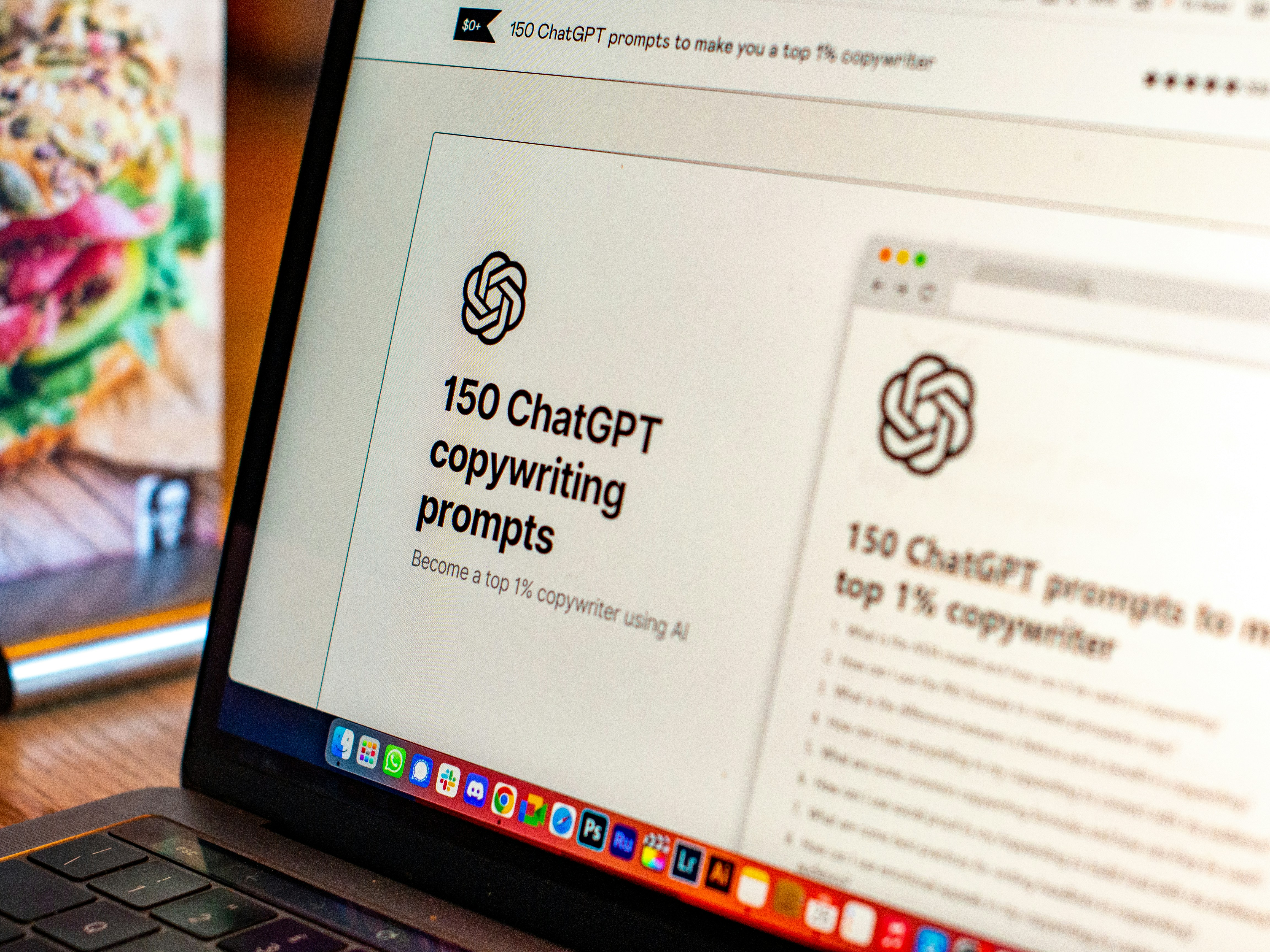
Introduction to ‘AI Slop’
In recent years, the term ‘AI Slop’ has emerged as a critical descriptor in the evolving digital landscape. Defined as low-quality, often spammy content generated by artificial intelligence, ‘AI Slop’ highlights the increasing prevalence of automated text and media that lacks substance and value for users. This phenomenon is particularly significant in the context of a rapidly digitizing world, where the reliance on AI to produce content—ranging from articles and blogs to social media updates—grows stronger by the day.
The concept of ‘AI Slop’ has gained traction as more organizations adopt AI tools to satisfy the burgeoning demand for content. While the technology promises efficiency and scalability, it simultaneously raises concerns regarding the integrity and quality of information disseminated across various platforms. The proliferation of such low-quality material has altered the online communication landscape, undermining the trustworthiness of digital content.
The rise of ‘AI Slop’ reflects broader trends within artificial intelligence and content creation, signaling a shift toward quantity over quality. As more people and businesses turn to automated solutions, the risk of diluting meaningful engagement in favor of generating content at lightning speed becomes apparent. This has ramifications not just for consumers, who may find themselves inundated with irrelevant information, but also for marketers and content creators who struggle to maintain a competitive edge amid a sea of inferior content.
The significance of ‘AI Slop’ being recognized as the Macquarie Dictionary Word of the Year in 2025 underscores the urgency of discussions surrounding the implications of AI-generated content. The term serves not only as a warning but also as a rallying point for content creators to prioritize quality in their endeavors, emphasizing the importance of human perspective in an increasingly automated world.
The Impact of AI on Content Creation
The emergence of artificial intelligence (AI) technologies has significantly transformed the landscape of content creation, influencing how content is produced, distributed, and consumed. By utilizing advanced algorithms, AI can generate vast amounts of written material at a remarkable speed, thereby offering content creators the ability to scale their output to levels previously deemed unattainable. This increased efficiency raises several questions about the value and integrity of the content being generated, particularly in light of the term ‘AI Slop,’ which refers to content of questionable quality that is often churned out by AI systems.
One of the notable advantages of AI in content creation is its capacity to analyze large datasets to identify trending topics and audience preferences. AI systems can sift through social media interactions, news articles, and search engine queries to curate content that is likely to resonate with target demographics. This trend has led to a proliferation of content that is optimized for engagement but can often lack depth and nuanced understanding. Consequently, while the volume of content has surged, the overall quality may vary, with some pieces being deemed generic or repetitive.
Industry experts have noted an increase in the reliance on AI-generated text, with surveys showing that nearly 70% of content professionals report using some form of AI in their workflow. However, this trend also raises concerns regarding originality and the potential for misinformation, as AI models draw from existing data without the ability to comprehend context fully. Furthermore, consumers are becoming more discerning, leading to a growing demand for authentic, well-researched articles over mechanical placeholders. As the integration of AI continues to evolve, striking a balance between productivity and maintaining high editorial standards will become paramount for content creators navigating this new era.
Identifying ‘AI Slop’: Characteristics and Consequences
The term ‘AI Slop’ has emerged to describe a specific type of content generated by artificial intelligence, characterized predominantly by its lack of originality and coherence. This type of content often fails to engage the reader effectively, as it tends to recycle clichés and provides little substantive information. The reliance on algorithms to create content can lead to a homogenized product that lacks the unique voice and perspective typically found in human-generated texts. As a result, ‘AI Slop’ can often feel impersonal and disconnected from the audience.
One of the most significant consequences of this oversaturation of low-quality content is its impact on search engine optimization (SEO). While traditional SEO practices revolve around quality, relevance, and user engagement, content that exemplifies ‘AI Slop’ may manipulate keywords but ultimately falls short of delivering valuable insights. Search engines have become increasingly adept at identifying this type of content, which can lead to reduced visibility and rankings, prompting marketers to rethink their strategies in content creation.
The user experience is also adversely affected by the prevalence of ‘AI Slop.’ Readers seeking quality information may become disillusioned when faced with an abundance of low-value content, leading to skepticism regarding the credibility of online information. Such content can generate frustration among users who prioritize authenticity and depth in their reading material. Furthermore, audience perceptions are significantly shifted; as users encounter more ‘AI Slop,’ they may progressively develop a generalized distrust towards digital content, complicating the efforts of brands and publishers to create meaningful connections with their audiences.
Moving Forward: Solutions to Combat ‘AI Slop’
As the prevalence of ‘AI Slop’ becomes increasingly apparent, it is vital to explore effective strategies that can mitigate its proliferation. First and foremost, integrating human oversight in content creation is essential. While artificial intelligence can generate text rapidly, the nuanced understanding and emotional intelligence inherent to human writers cannot be easily replicated. Organizations should prioritize a hybrid model, where AI tools serve to enhance human creativity rather than replace it. By ensuring that knowledgeable professionals review AI-generated content, the risk of disseminating low-quality material can be reduced significantly.
Moreover, digital platforms play a crucial role in regulating AI-generated content. It is imperative for these companies to implement stringent guidelines and quality control mechanisms that evaluate the authenticity and relevance of published works. Establishing a framework for assessing content can incentivize creators to adhere to higher standards. This could include algorithms that flag low-quality submissions for review or categorization, allowing consumers to discern credible content from ‘AI Slop.’ Ensuring that platforms prioritize quality over quantity will provide a more enriching experience for users.
Additionally, advocacy for higher content standards is necessary to reshape current practices within digital spaces. Engaging with policymakers and industry stakeholders to develop frameworks that promote quality content can foster an environment where creators prioritize substance. Consumers can also play a pivotal role in this equation. By educating themselves on what constitutes quality content, they can make informed decisions about the information they consume. Supporting creators who prioritize authenticity and value enables a marketplace where high-quality content flourishes.
In conclusion, addressing the emergence of ‘AI Slop’ requires a multifaceted approach. By combining human oversight, platform regulation, and consumer engagement, society can move toward a digital landscape that celebrates quality, context, and authenticity.
You might also like:
- The Historic Floods in Thailand: Challenges and Relief Efforts
- Navigating the Aster Market Today: Trends, Opportunities, and Challenges
- Addressing the Winter Health Crisis: Urgent Warnings from the NHS
- US Intervention in the Thailand-Cambodia Border Conflict: December 11, 2025
- Understanding the Recent Bitcoin Price Drop and Its Implications