
Overview of the Stock Market Performance
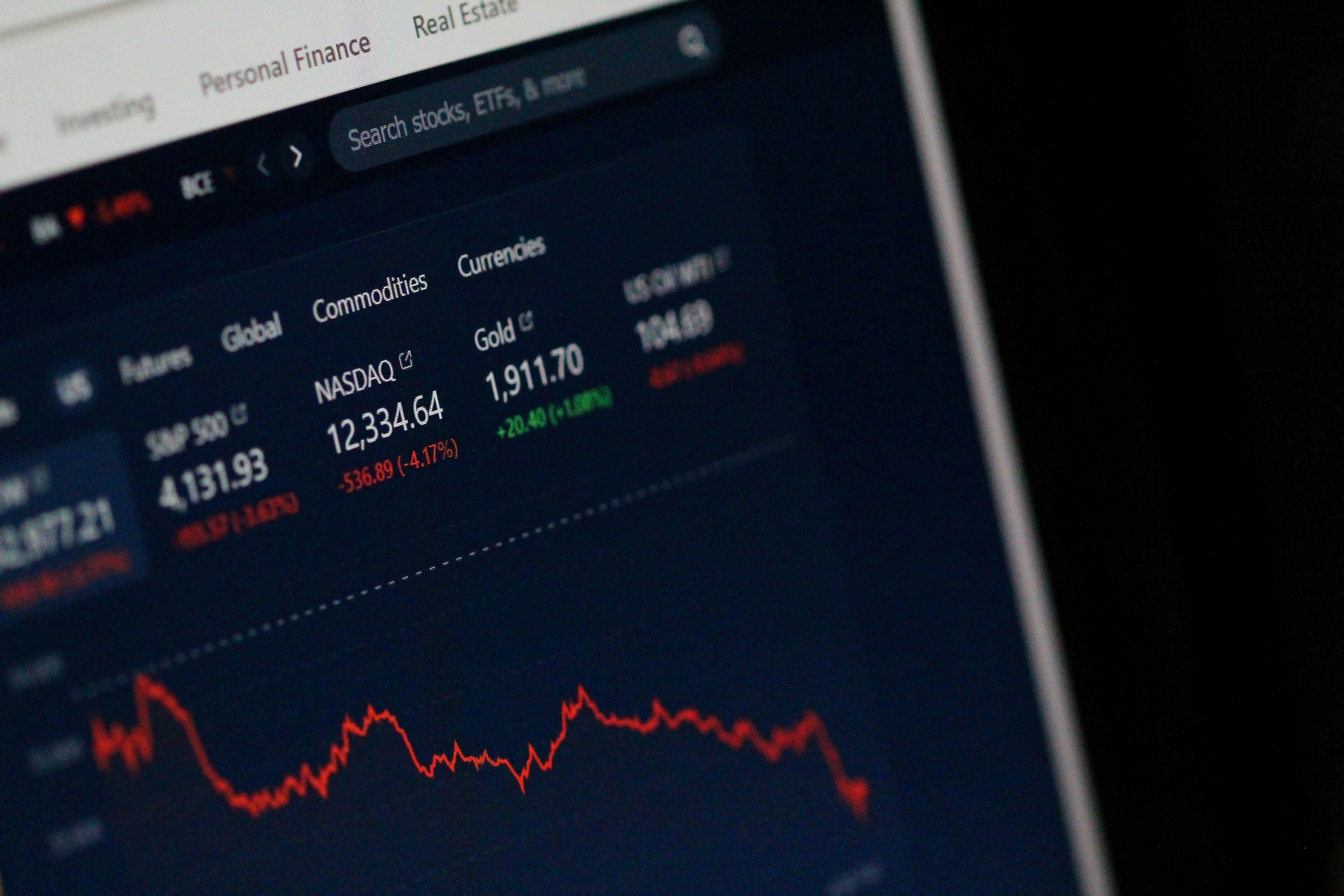
On November 25, the U.S. stock market exhibited remarkable performance, with major indexes recording substantial gains driven largely by investors’ anticipation of potential Federal Reserve rate cuts. The Dow Jones Industrial Average experienced a striking surge of approximately 600 points, effectively achieving a noteworthy milestone that underscores the current bullish sentiment across the market. This surge is indicative of a significant shift in investor confidence and sentiment, as traders react positively to the prospect of loosening monetary policy.
This notable increase represents the third consecutive session of gains for the index, suggesting a sustained momentum that could influence investor decisions moving forward. Investors are increasingly optimistic about the implications of potential rate cuts, which traditionally aim to stimulate economic growth. Lower interest rates can enhance corporate profitability and make equities more attractive compared to fixed-income investments, thereby promoting further investments in the stock market.
As the week progresses, the focus will remain on how market dynamics continue to evolve amid changing economic indicators and their impact on investor sentiment. Understanding these trends will be crucial for making informed decisions in a market that is currently transitioning towards a more optimistic outlook.
Factors Driving the Market Surge
Recently, U.S. stocks have experienced a significant surge, primarily attributed to mounting expectations that the Federal Reserve may opt to cut interest rates in the near future. This anticipation is rooted in a broader economic landscape that suggests a potential slowdown in growth, prompting the central bank to consider more accommodative monetary policies. The relationship between interest rates and stock market performance is well-documented; generally, lower interest rates can stimulate economic activity by making borrowing cheaper for consumers and businesses. Consequently, this can lead to increased spending and investment, ultimately driving corporate earnings and, by extension, stock prices higher.
Additionally, recent economic data has played a crucial role in shaping investor sentiment. Indicators such as weakened inflation figures, lower consumer spending, and tepid employment growth have caused market participants to reassess the likelihood of future rate hikes. Instead, these data points have led to predictions of a shift in monetary policy, supporting the narrative of potential rate cuts. Investors are often inclined to embrace a more optimistic outlook in such environments, leading to robust buying activity in the stock market.
Furthermore, geopolitical factors and global economic conditions can also contribute to shifts in market dynamics. For instance, lingering trade tensions and uncertainties surrounding international economic growth can create a flight to safety, prompting investors to favor equities. This environment can fortify the stock market during periods of anticipated monetary easing. Overall, multiple interlinked factors—including Federal Reserve expectations, economic indicators, and geopolitical landscapes—interact to shape the market sentiment, propelling U.S. stocks to new highs as investors respond to the implications of potential interest rate cuts.
Impact on Different Sectors
The recent surge in U.S. stocks, largely driven by expectations of a Federal Reserve rate cut, has yielded varied results across different sectors of the market. Notably, sectors such as technology, consumer discretionary, and financials have experienced significant gains, reflecting investor enthusiasm and confidence.
In the technology sector, companies with a focus on innovation and growth, such as Apple and Microsoft, have seen their stock prices rise sharply. This is attributed to the market’s belief that lower interest rates will stimulate consumer spending on tech products and services, thereby enhancing revenue streams for these companies. Similarly, the consumer discretionary sector, which includes retail giants like Amazon and Home Depot, has also benefited from the anticipated rate cut, as it is expected to boost consumer confidence and spending power.
On the other hand, the financial sector has welcomed the prospect of lower interest rates as a double-edged sword. While banks like JPMorgan Chase and Goldman Sachs may face pressure on profit margins due to tighter spreads, they also stand to gain from increased borrowing activity among consumers and businesses. Thus, the initial market rally has been characterized by anticipation of short-term benefits for these financial institutions, albeit with potential long-term challenges.
Conversely, the energy sector has not performed as robustly during this market upswing. Companies involved in oil and gas production, such as ExxonMobil and Chevron, have struggled to maintain stock value, largely due to ongoing concerns about global demand and fluctuating oil prices. This sector’s underperformance underscores the complex dynamics at play, where external factors significantly influence investor sentiment.
In summary, the impact of the stock market rally has been uneven across sectors, with technology and consumer discretionary leading the charge, while energy has faced headwinds. Evaluating these trends provides critical insights into the current market landscape and the varying prospects for different industries.
Investor Outlook and Future Predictions
The recent surge in U.S. stocks has generated significant optimism among investors, with many viewing this rally as a pivotal moment for the market. Analysts have differing views on the sustainability of this upward momentum. Some experts contend that the rally is supported by solid economic indicators and anticipated federal interest rate cuts, suggesting a promising environment for growth. Conversely, a segment of analysts warns that the rally may be temporary, driven primarily by speculative trading and short-term sentiment, which could lead to corrections if underlying economic fundamentals do not improve.
In light of the Federal Reserve’s approach to interest rates, predictions regarding future cuts are crucial for market participants. Historically, lower interest rates have led to increased liquidity, encouraging investment in equities. Experts forecast that if the Fed decides to reduce rates, perhaps in response to slowing inflation or economic uncertainty, the stock market could experience additional upward adjustments. However, due to potential geopolitical tensions and changing economic policies, the Fed’s decision-making process remains complex. Hence, investors should closely monitor signals from the central bank to better gauge market trends.
Given the current market conditions, investors are encouraged to adopt strategic approaches tailored to their risk tolerance and goals. Diversifying portfolios across various sectors may help mitigate risks associated with potential market volatility. Additionally, exploring defensive stocks or sectors that typically perform well during economic uncertainty can be prudent. For those with a more aggressive stance, focusing on growth-oriented companies, particularly those benefiting from innovation or technology trends, might present lucrative opportunities. It is essential for investors to stay informed and adaptable as they navigate the evolving economic landscape, ensuring their strategies align with the latest market developments.