
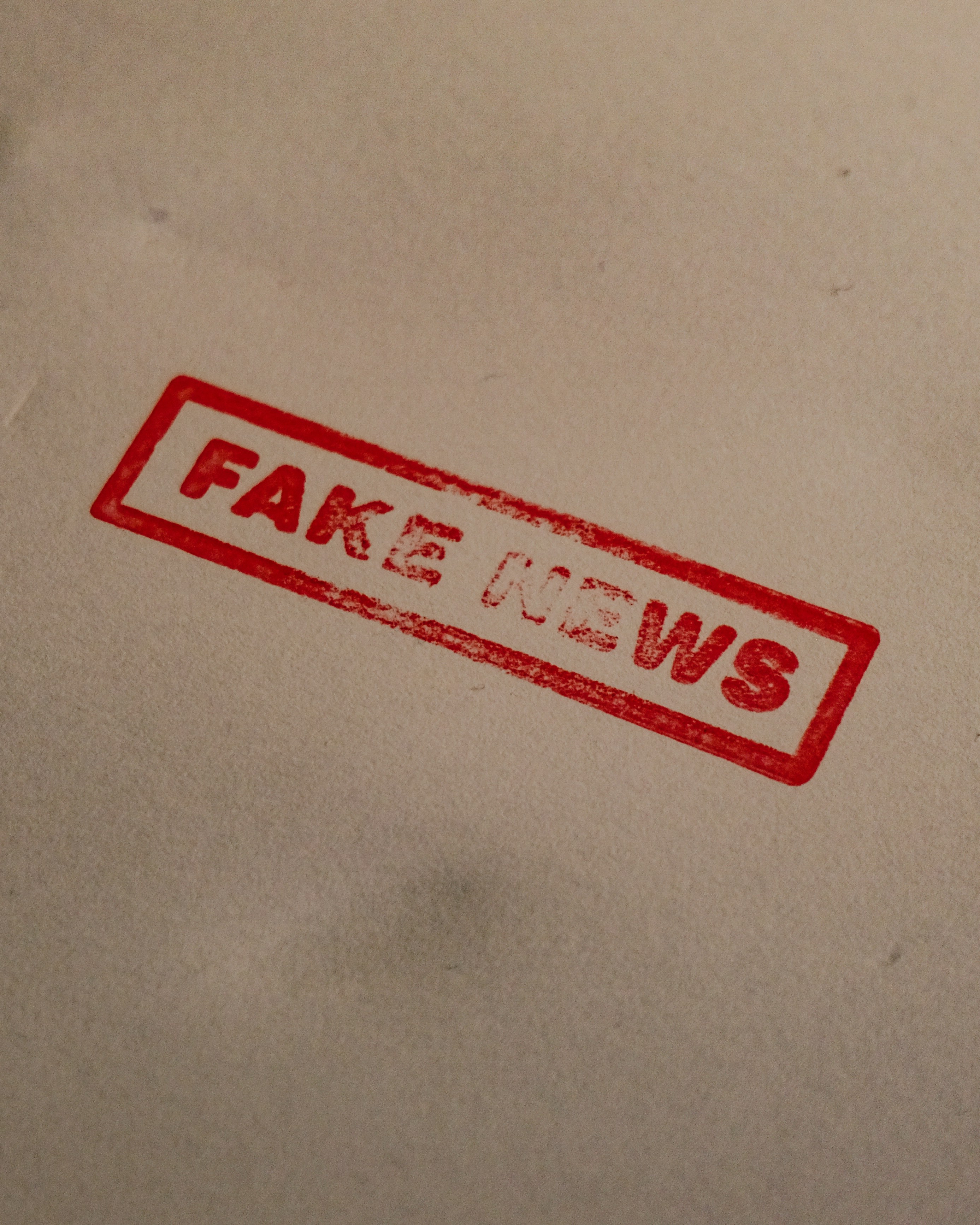
Understanding the Impact of AI on Fake News
In recent years, the proliferation of artificial intelligence (AI) technologies has transformed the way information is created and shared. While AI offers numerous benefits, experts and authorities are increasingly worried about the potential risks associated with AI-generated fake news. As these sophisticated tools become more accessible, they empower individuals and groups to fabricate highly convincing misinformation at an alarming rate.
Identifying AI-Generated Misinformation
One of the primary concerns surrounding AI in the context of fake news is the difficulty in distinguishing between real content and expertly crafted deception. AI algorithms can generate articles, images, and videos that mimic genuine sources, making it challenging for the average person to discern fact from fiction. This evolution in content creation raises critical questions about the reliability of online news sources and the responsibilities of platforms in managing misinformation.
Combatting the Spread of Fake News
To address the looming threat of AI-driven fake news, experts stress the importance of media literacy and critical thinking skills among the general public. Awareness campaigns that educate people on recognizing misleading information can mitigate the impact of fake news. Additionally, collaboration between technology companies, researchers, and policymakers is crucial to develop effective strategies that leverage AI’s capabilities to counteract misinformation rather than perpetuate it.
You might also like:
- The Ongoing Struggles: Floods and Landslides in Asia
- Netflix’s Strategic Move: Acquiring a Portion of Warner Bros. Discovery
- The Impact of the Federal Reserve’s Third Interest Rate Cut of 2025
- Tokyo’s Response to China’s Travel Warning: A Diplomatic Perspective
- The Recent Decline in the Silver Market: A Reflection of Global Trends