
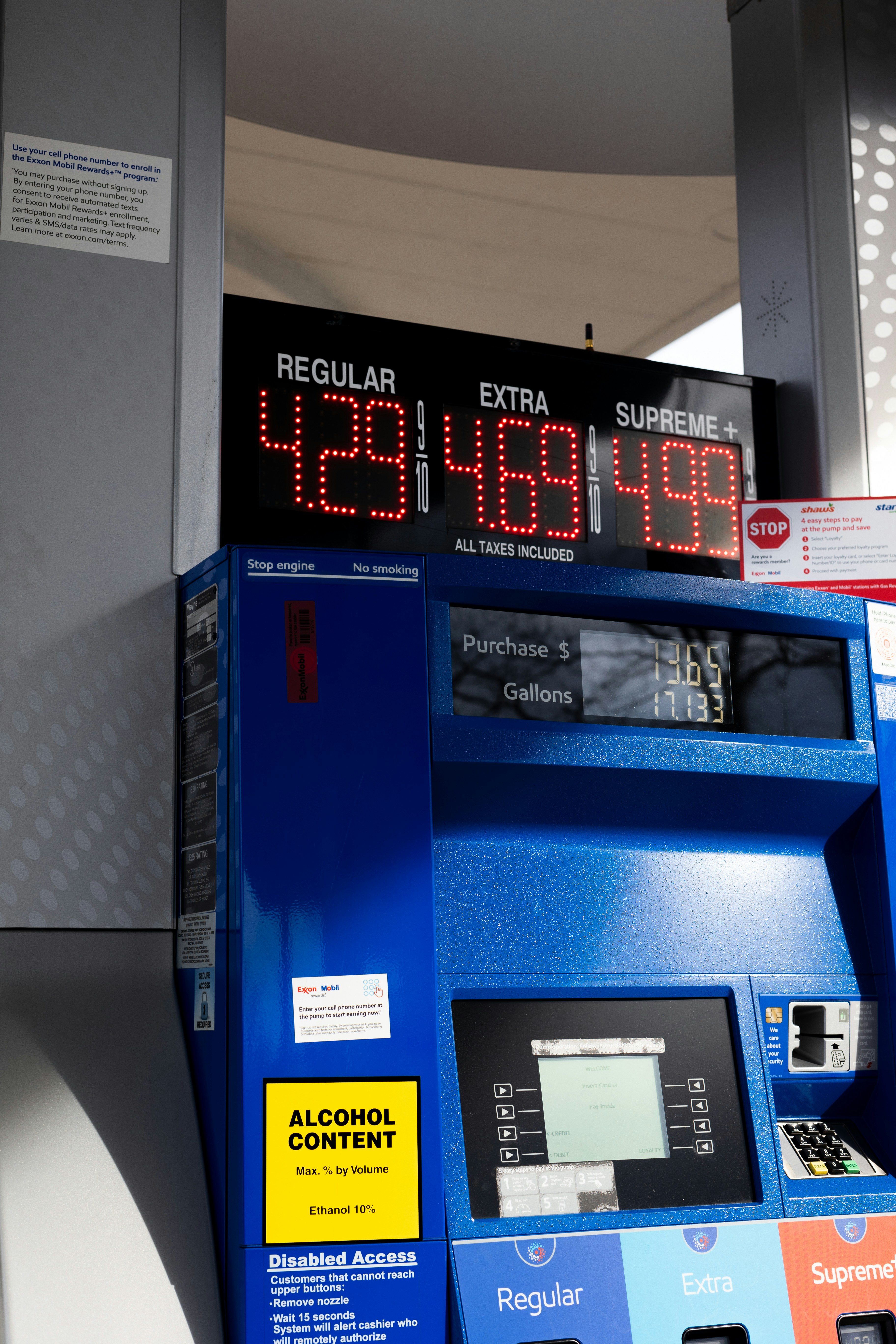
What’s Driving Gas Prices Up?
The rising prices at gas stations are influenced by a multitude of factors that extend far beyond regional policies and domestic production levels. One of the most significant contributors to fluctuating gas prices is the ongoing geopolitical tension, particularly involving oil-rich nations. A notable case is the conflict in Iran, which has direct implications on global oil supply. Iran is strategically located near the Strait of Hormuz, a critical maritime passage where a substantial portion of the world’s oil supply is transported. Any disruption in this region can send reverberations throughout the global market, causing prices to surge.
Additionally, sanctions imposed on Iran and ongoing hostilities in the Middle East contribute to an atmosphere of uncertainty in oil markets. When investor confidence is shaken, trading prices tend to escalate, directly influencing the prices consumers face at the pump. Oil traders closely monitor news and events in these regions, leading to a volatile pricing environment influenced by fear rather than actual supply changes.
Furthermore, the dynamics of supply and demand on a global scale cannot be overlooked. As economies recuperate from global health crises or engage in significant industrial activities, the demand for oil generally rises, further straining available resources. These developments are compounded by decisions made by OPEC (Organization of the Petroleum Exporting Countries) and its allies, who regulate oil production to stabilize or manipulate market prices in response to changing global demand.
While local and state policies on fuel taxes and environmental regulations may have an impact on the final price at the pump, these factors pale in comparison to the overarching global market dynamics. Understanding these multiple layers of influence helps demystify the reasons behind rising gas prices, emphasizing the importance of viewing them through a comprehensive lens.
When addressing the potential for reducing rising gas prices, a common assumption is that rolling back environmental and fuel economy regulations would yield immediate financial relief for consumers. However, evidence suggests that this approach may not be as effective as many believe. Studies conducted by the Environmental Protection Agency (EPA) indicate that eliminating specific greenhouse gas standards could lead to higher gasoline costs over time.
The reasoning behind this paradox lies in the relationship between regulations and fuel efficiency. By curtailing efficiency standards, vehicles tend to consume more fuel, which results in increased demand for gasoline. When consumption rises, it exerts upward pressure on prices, thus negating any short-term savings that might stem from deregulation. Furthermore, less stringent regulations can lead to environmental degradation, which may eventually result in longer-term economic consequences—such as increasing the costs associated with climate change.
Moreover, the fuel economy standards designed to promote cleaner vehicles effectively encourage manufacturers to innovate and invest in more efficient technologies. Rolling back these regulations can stymie such advancements, leading to stagnation in the automotive sector. This stagnation can ultimately result in a less competitive marketplace that could face difficulties in addressing fuel cost fluctuations.
Additionally, historically, attempts to reduce regulations in the name of lower prices have not always translated into financial benefits for consumers. Instead, they have often resulted in prolonged periods of higher costs. Thus, while deregulation may appear to offer a quick fix, it often fails to acknowledge the complex and interconnected nature of the energy market, further illustrating that the path to sustainable and affordable energy requires a multifaceted approach rather than simplistic solutions.
Alternative Solutions to Alleviate Gas Prices
The rising gas prices have prompted lawmakers to explore various alternative solutions aimed at alleviating the financial burden on consumers. One of the strategies under consideration includes the temporary suspension of gas taxes. This measure is designed to directly lower the cost that consumers face at the pump, making fuel more affordable during periods of skyrocketing prices. While it could provide immediate relief, critics argue that such a suspension may significantly reduce essential funding for infrastructure projects, which could lead to long-term economic repercussions.
In addition to gas tax suspensions, lawmakers are also proposing anti-price gouging measures. These regulations would address the practice of businesses increasing fuel prices excessively during crises, thereby protecting consumers from exploitative pricing strategies. Implementing such measures requires a careful balance; officials must establish clear criteria to differentiate legitimate price increases due to market fluctuations from unethical price gouging. This could pose a significant challenge in ensuring compliance while also monitoring the market effectively.
California has taken a unique approach by aiming to regulate refinery profits in response to the rising gas prices. The state government is seeking to implement regulations that limit profitability margins for refineries, intending to prevent excessive profiteering during times of heightened demand. While this initiative aims to reduce the overall cost of fuel for residents, it incites a debate regarding potential implications on supply and investment in refining operations. If refineries find it unprofitable to operate under these regulations, there could be unintended consequences, such as decreased production and ultimately, lower supply.
While these alternative strategies present potential avenues for immediate relief from high gas prices, their effectiveness is tempered by legislative hurdles and market dynamics. A comprehensive evaluation of the potential challenges each measure presents is crucial for formulating effective policies that align consumer protection with economic sustainability.
Expert Opinions on Policy Responses
As the complexity of rising gas prices continues to unfold, a variety of experts have weighed in on potential policy responses. Economists and policymakers exhibit a range of views, reflecting the multifaceted nature of the global oil market and its inherent challenges. Some experts advocate for immediate governmental interventions, such as the release of strategic petroleum reserves, to help alleviate the financial burden on consumers. This approach, they argue, can provide short-term relief but may not address the long-term structural issues that lead to volatile pricing.
Conversely, other experts caution against such measures, suggesting that they might disrupt the market equilibrium and send conflicting signals to both consumers and producers. They argue that these short-term solutions could lead to greater market instability in the future. Instead, a more sustainable approach might involve investing in alternative energy sources and enhancing infrastructure to reduce dependence on gasoline. This perspective underscores a significant consensus among some economists that long-term policy should prioritize sustainability and resilience in energy markets.
Additionally, there exists a divergence of opinions regarding taxation. Some policy analysts suggest that adjusting fuel taxes could help stabilize prices and generate revenue for infrastructure improvements. However, others highlight the potential regressiveness of fuel taxes, particularly on lower-income individuals who may be disproportionately affected by rising costs. This illustrates how intricate the debate around fuel pricing policy can be, with various angles to consider, such as economic equity and environmental impacts.
Ultimately, the consensus among experts is that a comprehensive strategy that considers global market dynamics, domestic consumption patterns, and energy independence is crucial. Crafting effective legislation requires not only understanding these complexities but also collaborating across political lines to develop solutions that account for the diverse interests of stakeholders involved.
You might also like:
- Silver Market Dive: Understanding the Volatility of October 22, 2025
- Soundgarden’s Emotional Journey: Completing the Final Album
- Heart of the evening Snack : Music Video
- Funny Jokes About Everyday Activities: Must-Have Laughs!
- Transfer News Roundup: The Latest on Burkardt, Asllani, and Bayern’s Big Names
