
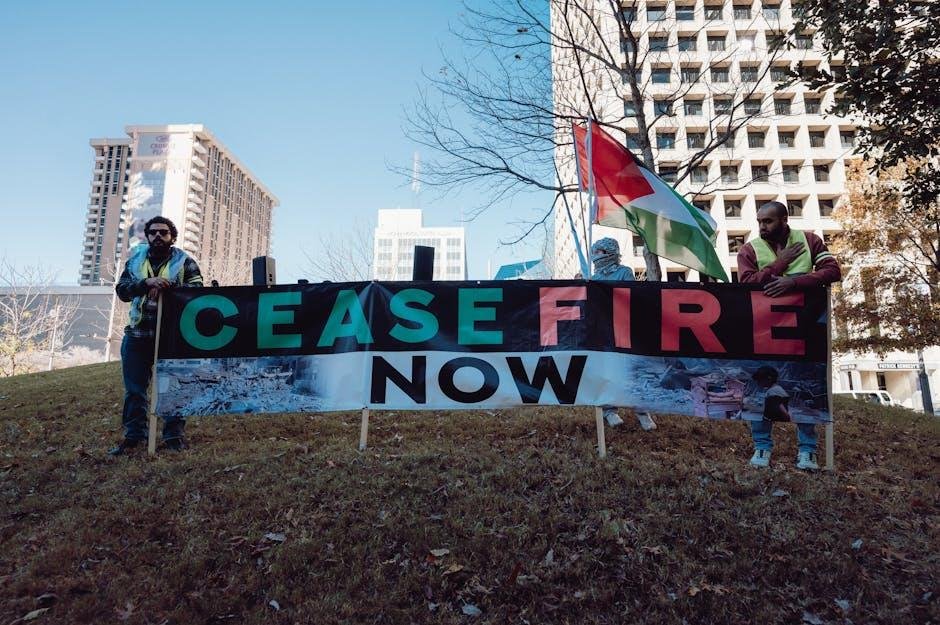
# 36 Hours of Chaos: The Scramble for a Cease-Fire in Iran
The geopolitical landscape shifted dramatically in early 2026. As tensions between the United States and Iran reached a boiling point,the world watched with bated breath during a 36-hour window defined by military brinkmanship,economic tremors,and an eleventh-hour scramble for diplomacy. From the threat of massive joint strikes on February 28 to the eventual announcement of a fragile two-week ceasefire, the events have reshaped modern international relations [[1]]. This article breaks down the timeline, the players involved, and the implications of the high-stakes maneuverings that kept global markets and world leaders on edge.
## The Road to the Brink: February 28th Operations
The crisis began escalating rapidly when President donald Trump announced “major combat operations” against Iran following weeks of posturing. The military activity, characterized by massive joint U.S.-Israeli strikes, marked a important departure from previous containment strategies [[1]].
The rationale provided by the administration centered on the necessity to prevent a wider conflict, even as the President famously warned that the U.S. was “blowing up the whole country” if Iran failed to comply with specific security demands [[1]].This aggressive stance rattled global markets and set the stage for one of the most volatile periods in recent diplomatic history.
## The Strait of Hormuz crisis
Central to the conflict was the status of the Strait of Hormuz. As a critical chokepoint for global oil supplies, any disruption to transit through these waters carries existential consequences for the world economy.President Trump issued a firm ultimatum: Iran was to open the Strait to allow oil tankers safe passage, or face further consequences.
With less than 90 minutes remaining before the deadline expired,the international community was bracing for a complete blockade. However, a sudden shift in strategy occurred, leading to the announcement of a two-week ceasefire [[2]].
| Event | Primary Actor | Status |
|---|---|---|
| Combat Operations | US/Israel | Concluded Feb 28 |
| Strait of Hormuz Deadline | US/Iran | Negotiation Ongoing |
| Ceasefire Declaration | President Trump | Active |
## Diplomatic Hurdles: Why the Ceasefire Remains Fragile
Despite the temporary calm, the path to peace is far from certain.Iran has publicly labeled the ceasefire terms and the ongoing negotiations as “unreasonable” [[2]]. Tehran’s representatives have accused the United States of violating parts of the existing deal framework, creating an atmosphere of deep-seated distrust.
### The Role of JD Vance in Peace Talks
In a move to stabilize the region, it has been confirmed that JD Vance will lead the upcoming peace talks. This appointment indicates a pivot toward intense, high-level diplomatic engagement to bridge the gap between Washington and Tehran [[3]]. The success of these talks hinges on:
* The continued reopening of the Strait of Hormuz
