
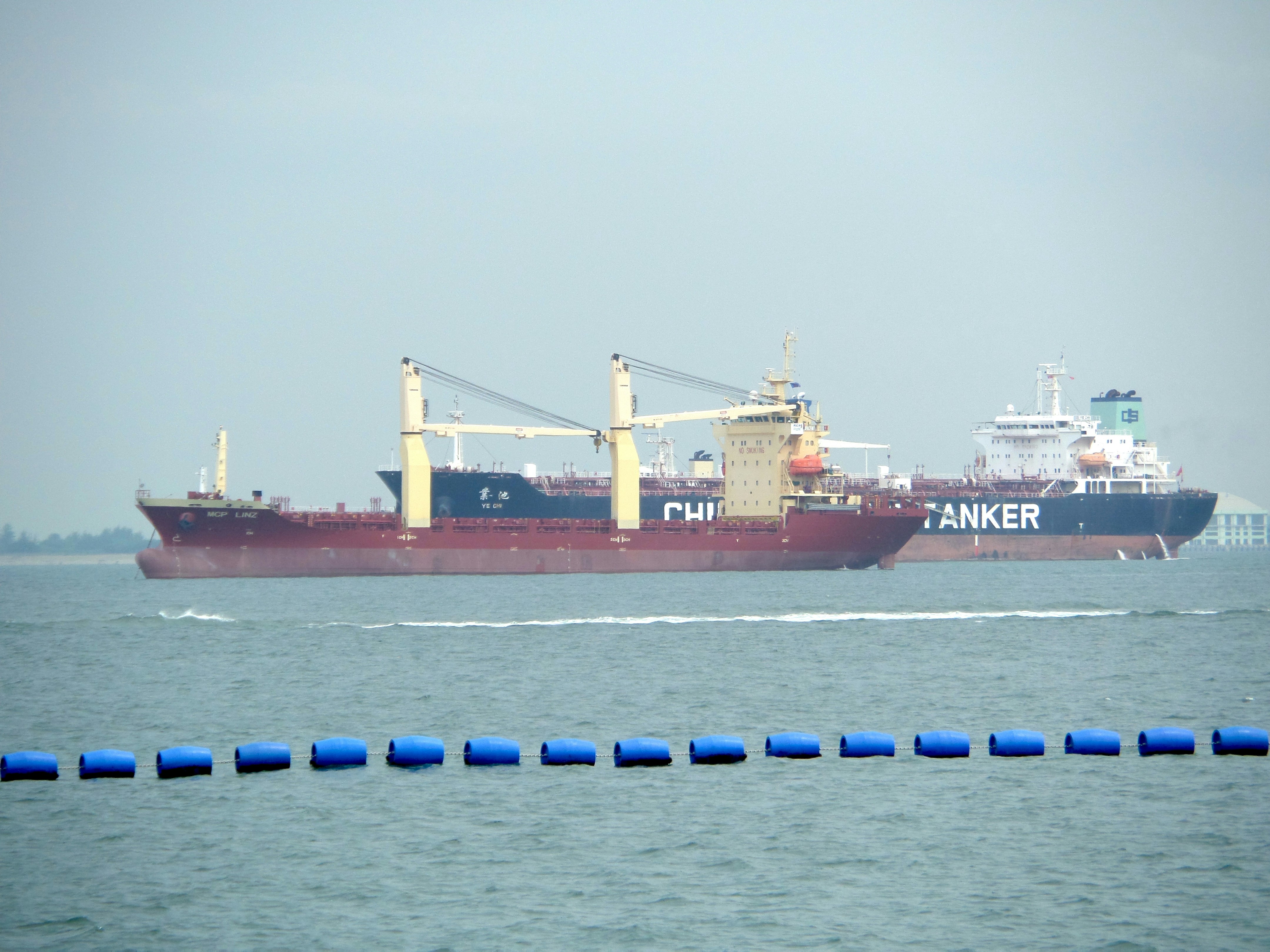
In recent months, President Trump has made several public statements addressing the critical situation surrounding Iran’s management of oil transport through the Strait of Hormuz. The Strait, a vital corridor for global oil shipments, has been at the center of escalating tensions between the United States and Iran. Trump’s rhetoric has emphasized his critiques of Iran’s activities, particularly focusing on the implications of any pricing strategy the Iranian government may impose on tanker operations transiting through this strategically significant channel.
One of the key concerns highlighted by President Trump is the potential for Iran to charge fees to foreign vessels navigating the Strait, which he views as an unjust and destabilizing action. Trump has vehemently warned that such fees would not only disrupt already sensitive shipping routes but could also provoke broader geopolitical tensions, further deteriorating relations with U.S. allies and complicating international trade. His demands include a call for Iran to cease its aggressive posturing, which he claims poses a direct threat to global energy security.
On April 7th, alongside a ceasefire agreement, there was much speculation about the possibility of restoring normal shipping operations. However, despite this announcement, the demands put forth by the Trump administration have not yet resulted in any significant easing of tensions or a return to standard shipping practice in the region. This situation indicates that diplomatic pressures are ongoing, and the response from Iran remains uncertain. The implications of these demands are profound, as they not only affect the immediate shipping industry but also resonate through global markets that rely on uninterrupted oil supply routes.
Impact on Shipping Traffic: The Severity of Disruption
The ongoing situation in the Strait of Hormuz has led to a significant reduction in shipping traffic through one of the world’s most crucial maritime channels. Reports indicate that the number of vessels transiting this vital waterway has decreased markedly since the onset of the ongoing conflict. According to maritime analysts and organizations, including Lloyd’s List, the transits have dropped by nearly 40% in recent months, which is unprecedented given the strait’s role in global energy transportation.
In particular, the backlog of vessels has become a pressing issue, with estimates suggesting that over 250 ships are currently awaiting safe passage through the Strait. This includes a wide variety of vessels, from large oil tankers carrying essential crude supplies to container ships that transport various goods. Tankers, in particular, have been severely impacted; analysts indicate that up to 150 oil tankers are caught in this congestion, representing a slowdown that could lead to significant fluctuations in global oil prices.
The implications of this disruption extend beyond just the immediate shipping industry. There are wider ramifications for global trade dynamics, as many countries depend on the passage of goods through this strait to maintain their economic stability. The bottleneck created by the high volume of vessels awaiting transit leads to increased costs associated with delays, not only affecting shipping companies but also consumers who may face higher prices as supply chains become strained. As analysts continue to monitor the situation, it is clear that the current disruptions in the Strait of Hormuz could have profound, long-lasting effects on both regional economies and global trade patterns.
Iran’s Control: Understanding the Blockade Measures
The strategic significance of the Strait of Hormuz, a narrow passage that connects the Persian Gulf to the Arabian Sea, has led to heightened tensions in the region. Iran’s control over this vital maritime corridor is manifested in a series of blockade measures aimed at regulating shipping and trade activities. These measures are primarily enforced by the Islamic Revolutionary Guard Corps (IRGC), which has increased its oversight of vessels transiting through the strait.
One of the primary requirements for vessels seeking passage is the need to formally request permission from Iranian authorities. This prerequisite has raised concerns among international shipping companies, as it introduces an element of unpredictability in navigating this critical waterway. Following the submission of requests, vessels may be subject to revised routes imposed by the IRGC, further complicating navigation due to the potential for longer journeys and increased operational costs.
In addition to navigating designated routes, vessels operating in the Strait of Hormuz are often required to pay specific fees to the Iranian government. These financial obligations serve as a means for Iran to exert control over maritime traffic while simultaneously generating revenue from foreign shipping lines. Furthermore, restrictions on the nationalities of crew members aboard vessels add another layer of complexity, as the IRGC monitors and enforces compliance with these rules to maintain their regulatory grip.
As a result of these measures, the Iranian government demonstrates its intent to strengthen maritime authority while responding to perceived threats from external forces. The restriction of access to the Strait of Hormuz can significantly impact global trade, given that a substantial percentage of the world’s oil supplies pass through this narrow corridor. Thus, understanding the implications of Iran’s blockade measures is crucial for stakeholders in international shipping and trade.
The Future of Shipping in the Strait: Prospects and Challenges
The Strait of Hormuz has long been a critical maritime corridor for global shipping, accounting for a significant portion of the world’s oil and liquefied natural gas (LNG) shipments. As geopolitical tensions rise, the future of shipping in this vital waterway has become increasingly uncertain. Should the current diplomatic standoff persist, several future scenarios may emerge, each with distinct implications for international shipping and trade.
One potential scenario involves increased militarization of the Strait. Countries may deploy more naval assets to deter threats, which could lead to heightened tensions and prompt disruptions in shipping schedules. This militarization could subsequently raise shipping insurance costs, compelling traders and shipping companies to consider alternative routes. However, rerouting vessels through longer and more expensive pathways could significantly impact trade volumes and costs associated with global energy supplies.
Economic strategies may also evolve as nations adapt to these challenges. Countries heavily reliant on oil imports might seek to diversify their energy sources, investing in renewable energy and alternative supply routes to mitigate vulnerabilities. This in turn may lead to innovations in shipping technology aimed at improving efficiency and safety in less stable waters. Additionally, international relations may shift as countries react to the strait’s instability, with alliances potentially forming around new trade agreements or mutual defense pacts to ensure maritime security.
Ultimately, the future of shipping in the Strait of Hormuz will depend on various factors, including diplomatic efforts to resolve ongoing tensions and the collective response of the global community. Stakeholders in shipping and trade must remain vigilant, continuously assessing the evolving dynamics and preparing for the multifaceted challenges and opportunities that lie ahead in this critical maritime region.
You might also like:
- Understanding Rising Gas Prices: The Complex Factors and Misconceptions
- Carlos Alcaraz: The Young Prodigy Claims Year-End World No. 1 Title for the Second Time
- SK Hynix’s $13 Billion Investment: A Game Changer in the Memory Chip Industry
- Shares are Higher in Asia: An Upbeat Start to the New Year
- The Impact of Pesticides on Bee Biodiversity: Understanding Brain Damage and Learning Impairments
