
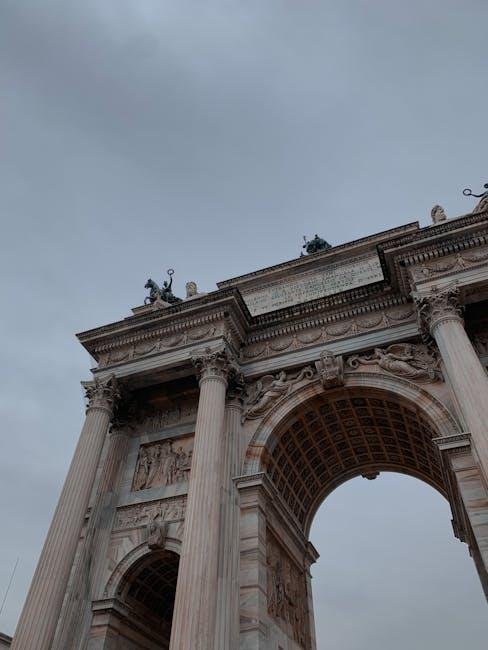
Trump Touts Newly released Plans for D.C. Triumphal Arch: A Monumental Vision or Urban Controversy?
In the ongoing saga of American architectural ambition and political signaling, few topics have sparked as much curiosity-and debate-as the recent unveiling of plans for a D.C.-based triumphal arch promoted by Donald Trump. Originally highlighted in reports from outlets like NPR, the concept of a grand, classical monument placed within the nation’s capital brings into focus the intersection of nationalist aesthetics, urban planning, and historical memory. In this article, we explore the implications, design philosophy, and public discourse surrounding this proposed landmark.
The Vision Behind the Arch: Classical Aspirations in a Modern Capital
The proposal for a triumphal arch is not merely about construction; it is a statement about architectural legacy. Trump,who has frequently expressed a preference for neoclassical and Roman-inspired architecture in government buildings,sees the arch as a physical manifestation of American strength.
Triumphal arches have historically been used to celebrate military victories, represent the endurance of an empire, and define the civic pride of a city. By proposing such a structure for washington D.C., the vision underscores a desire to align the United States with the aesthetic grandeur of ancient Rome or post-revolutionary Paris.
Key Features of the Proposed Design
Based on early conceptual details and public discussions, the arch is expected to include:
* Classical Orders: Extensive use of Doric or Corinthian columns.
* Scale: Massive dimensions intended to dominate city sightlines.
* Iconography: Bas-reliefs depicting defining moments in American history.
* Materiality: Durable white marble or limestone to match the existing National Mall aesthetic.
Historical Precedent and the Context of Monumentality
To understand the weight of this proposal, we must look at how monuments function within the urban fabric of Washington D.C. The city was designed by Pierre Charles L’Enfant with a clear vision: a grid-and-radial layout that accommodates massive, permanent structures.
The Role of Triumphal Arches in History
historically, these structures served specific political functions:
- Legitimizing Power: Rome’s Arch of Titus served to cement the glory of the emperor.
- National Unification: The Arc de Triomphe in Paris became a symbol of national resilience after the Napoleonic Wars.
- Civic Identity: Monuments act as “anchor points” for the national narrative, guiding how citizens interpret their history.
Analyzing the Debate: Architectural Criticism vs.Public Support
The NPR-reported plans have ignited a polarized reaction.Proponents argue that the arch would be a beautiful addition to the D.C. skyline,emphasizing that America lacks a singular structure capable of representing the “triumph” of the nation. Conversely, critics argue that the project is an expensive indulgence that complicates the already crowded and historically preserved layout of the capital.
Pros and Cons Summary
| Aspect | Arguments for the Arch | Arguments against the Arch |
|---|---|---|
| aesthetic | Restores classical beauty to D.C. | Feels derivative or outdated |
| Symbolism | Promotes national strength/pride | Risks politicizing public space |
| Budget | Long-term cultural investment | Potential for massive cost overruns |
| Urban Impact | adds a new landmark to the city | Disrupts historic city planning |
Practical Tips for Understanding urban Advancement
Whether you support the construction of new monuments
You might also like:
- Bitcoin snaps 5-month shedding toddle: Key BTC rate levels to search in April
- Starlink Set to Transform Internet Access in Vietnam
- The Heartwarming Tale of a Stray Kitten
- Winter Wonders: The Return of Migratory Birds to Xinghua National Wetland Park
- Slapstick Comedy: Top 11 Must-Have Funny Moments Revealed
