
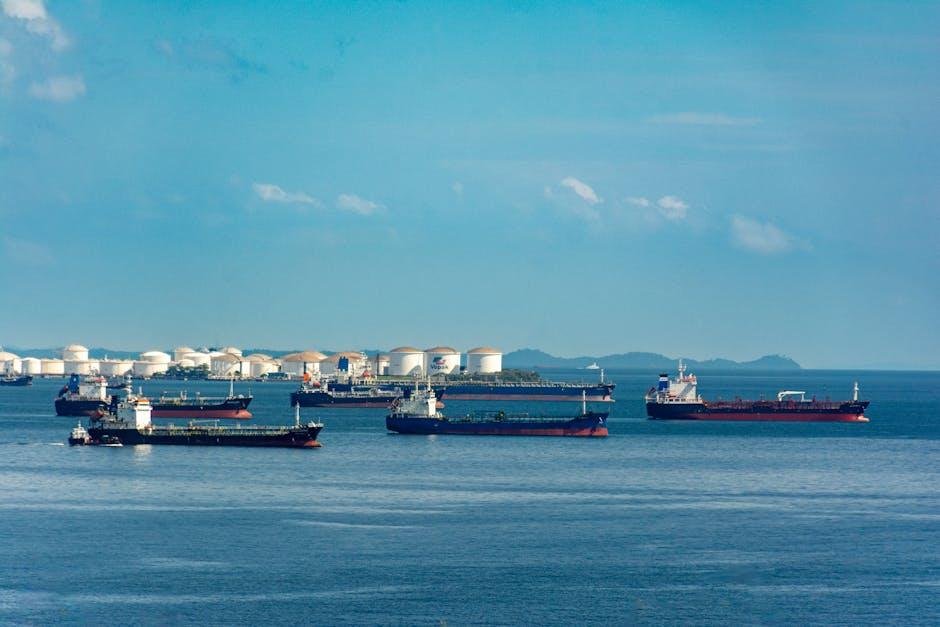
Market Turbulence: Bitcoin Dips to $70.6K as Oil Prices Climb Following US Hormuz Blockade Proclamation
The global financial landscape is experiencing a period of intense volatility as geopolitical tensions shift the spotlight toward critical energy corridors and digital assets. In a rapid market response, Bitcoin slipped to $70.6K,while crude oil prices surged following the United States’ formal announcement of a blockade in the Strait of Hormuz. This convergence of crypto market cooling and energy sector heating provides a stark reminder of how interconnected our modern economic systems remain.
Whether you are a seasoned investor or a curious observer, understanding why these seemingly disparate events move in tandem is crucial. In this article,we will break down the market mechanics currently at play,analyze the implications of the Hormuz situation for energy security,and provide practical insights into navigating this high-volatility environment.
The Double-Edged Sword: Why Markets Are Reacting
Market movements are frequently enough driven by sentiment, risk appetite, and the flight to safe-haven assets. When the US government signals a escalation-such as a naval blockade in the Strait of hormuz-the immediate reaction is a spike in risk aversion. The Strait of Hormuz is the world’s most crucial oil transit chokepoint, facilitating the flow of roughly 20% of global petroleum consumption.
The Energy Sector Rally
As news broke regarding the blockade,the energy sector took center stage. As the Strait represents a vital “jugular” for global oil, any threat to its passage triggers immediate supply anxiety. Oil traders act on the premise that restricted supply will inevitably lead to higher premiums at the pump and increased costs for manufacturing and transportation.
Bitcoin: From Risk-On to Risk-Off
Bitcoin’s retreat to $70.6K serves as an interesting case study.While some proponents argue that BTC acts as “digital gold” (a store of value against inflation), it often behaves like a high-beta technology stock in the short term. During periods of military or geopolitical uncertainty, investors often liquidate growth-oriented assets like cryptocurrencies to hold cash or move into traditional safe havens like government bonds or gold.
| Asset Class | Market Movement | Primary Driver |
|---|---|---|
| Bitcoin (BTC) | Dipped to $70.6K | Risk-off sentiment / Profit taking |
| Crude Oil | Sharp Increase | Supply chain disruption anxiety |
| Gold | Moderate Rise | Safe-haven status |
Geopolitical Stress: The Strait of Hormuz Blockade
To understand the current surge in oil prices, one must look at the criticality of the strait of Hormuz. Located between Oman and Iran, it is indeed the primary maritime route for oil exports from Saudi Arabia, UAE, Kuwait, and Iraq. Any military posture or blockade announcement by the US directly jeopardizes the global energy inventory.
impact on Global Supply Chains
The economic impact of a blockade extends far beyond the price of gasoline. Consider the following consequences:
- Increased Shipping Costs: Maritime insurance premiums skyrocket, making logistics more expensive for every industry.
- Manufacturing Slower Growth: High energy prices act as a tax on economic activity, slowing down factory output.
- Inflationary Pressure: Persistent energy costs lead to higher CPI readings, keeping central banks on high alert for interest rate adjustments.
- Understanding the Current Economic Situation in Latin America
- Progress and Challenges in Ukraine Peace Talks: Insights from Trump and Zelenskyy
- COVID, Snappily, Episode 6: The Genuine Explanation for India’s Surge and Conceal Liftoff
- Lynette Hooker became once fascinated by husband Brian in messages to unprejudiced correct friend: “I can no longer be available with him” – CBS News
- The Future of Austin Reaves: A Tough Decision for the Los Angeles Lakers
You might also like:
