
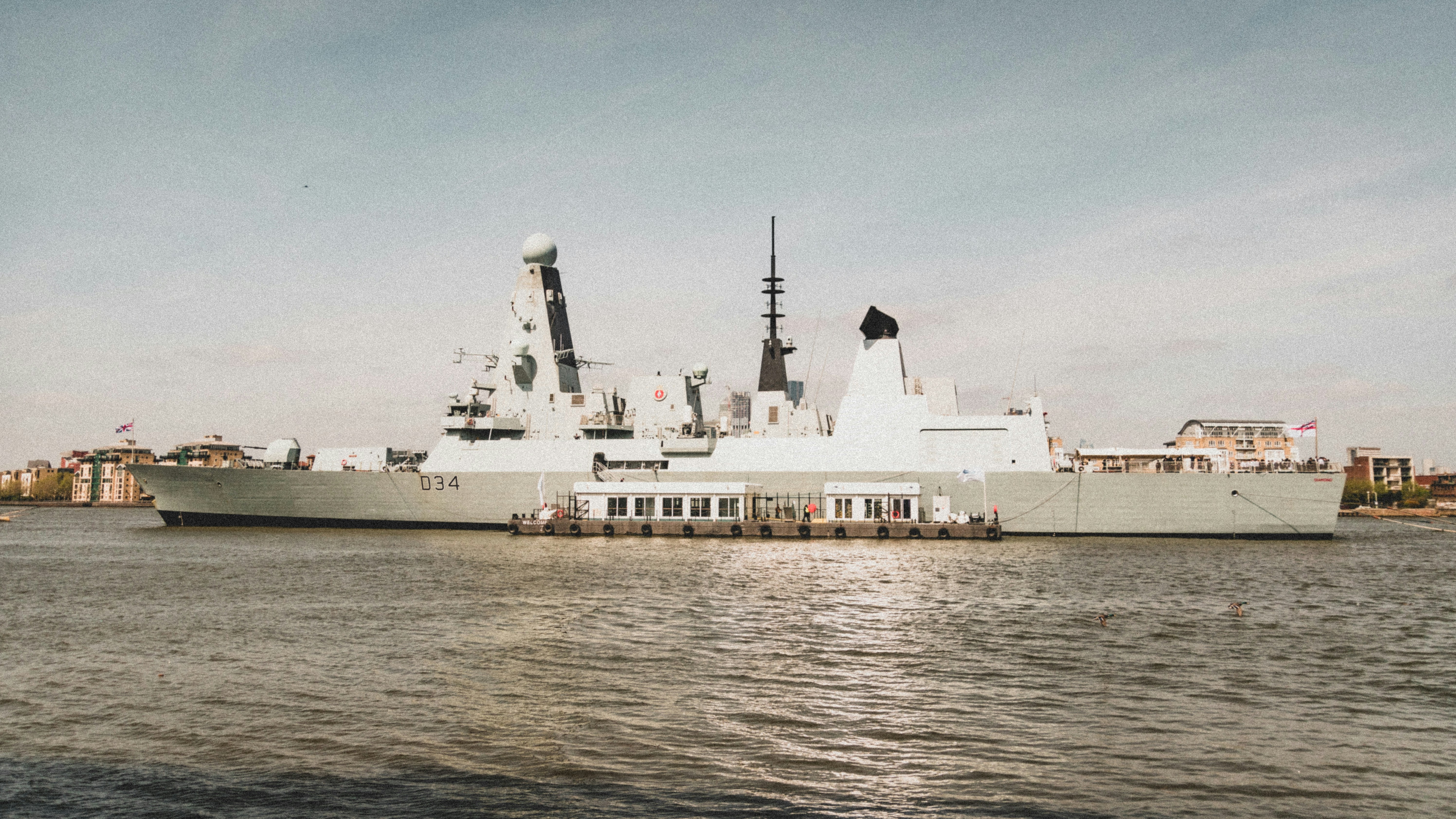
Introduction to the Sale
Recently, the US State Department formally approved a significant military sale to Germany, valued at approximately $11.9 billion. This substantial transaction highlights the ongoing commitment of the United States to strengthen military alliances and enhance security cooperation with key partners across Europe. The sale includes a range of advanced defense equipment and systems, designed to bolster Germany’s military capabilities in various operational environments.
The approval of this military sale comes at a crucial time, considering the evolving geopolitical landscape in Europe. Germany, as a leading member of the North Atlantic Treaty Organization (NATO), plays a critical role in the collective defense posture of the alliance. The approval also signifies the US’s dedication to supporting its allies in addressing emerging security threats, particularly in light of recent tensions in Eastern Europe and the need for enhanced deterrence measures.
This military sale underscores not only the financial dimensions of defense procurement but also the broader implications for transatlantic relations. Enhanced military capabilities for Germany will likely contribute to a more robust collective defense strategy within NATO, further solidifying the partnership between the US and Europe. The sale is expected to catalyze discussions related to defense spending and investment in military technology across the NATO framework.
In summary, the recent approval by the US State Department signals a pivotal moment in US-Germany defense relations. The $11.9 billion military sale is set to not only enhance Germany’s defense capabilities but also reinforce the strategic ties between the United States and its European allies. The implications of this sale will undoubtedly have lasting effects, shaping military readiness and collaborative efforts in addressing mutual security challenges.
Scope of the Sale
The recent approval by the US State Department for an $11.9 billion military sale to Germany encompasses a comprehensive package that significantly enhances the country’s naval capabilities. The sale is structured around several high-tech components that are essential for modern warfare and defense strategies. Central to this package is the integration of a sophisticated combat system that integrates various naval assets to operate cohesively.
The combat system includes advanced software and hardware designed for real-time data sharing and situational awareness among naval vessels. This integration allows for improved command and control, fostering a more coordinated response to potential threats. Additionally, Germany will acquire the MK-41 Vertical Launching System (VLS), which is pivotal for deploying a range of missiles, including surface-to-air and anti-ship variants. The VLS increases the versatility and operational readiness of German naval forces, enabling them to engage adversaries more effectively.
Furthermore, the sale features critical technologies such as enhanced radar systems and communication networks. These technologies are vital for ensuring the stealth and survivability of naval assets while conducting operations in contested environments. The inclusion of these advanced systems not only fortifies Germany’s defenses but also contributes to greater interoperability with NATO allies, particularly during joint operations.
The package highlights Germany’s commitment to modernizing its military forces, particularly in maritime security. By investing in such advanced technologies, Germany aims to bolster its defense posture and contribute more effectively to collective security efforts in an increasingly complex geopolitical landscape. This significant military sale is expected to position Germany strategically within NATO, paving the way for enhanced collaboration with partner nations.
Strategic Context
The recent approval by the US State Department for an $11.9 billion military sale to Germany underscores the evolving dynamics of NATO and European security. This substantial transaction not only highlights the deepening defense relationship between the United States and Germany but also reflects a broader commitment to enhancing collective security within the NATO alliance. As a key member of NATO, Germany’s military modernization efforts are crucial for maintaining the strategic balance in Europe, particularly in light of increasing threats from various regional actors.
The procurement of advanced military equipment demonstrates Germany’s commitment to improving its defense capabilities, aligning with NATO’s collective defense goals. This sale is significant for the United States as it reinforces its role as a security guarantor in Europe, assuring its allies of sustained military support and collaboration. The implications of this deal extend beyond immediate military enhancements; they resonate with the overarching goal of a cohesive and unified NATO response to security challenges.
Furthermore, this military sale is poised to stimulate economic growth within Europe, particularly in the defense sector. The influx of resources will not only boost German defense companies but also create opportunities for collaboration among NATO member states’ defense industries. Consequently, such economic synergies pave the way for technological innovation and increased operational interoperability among NATO forces, aligning with the shared objectives of deterrence and defense strategies.
By investing in military modernization through this sale, Germany is reaffirming its dedication to NATO obligations while also fostering regional stability. As European security continues to be a pivotal concern, the ramifications of this transaction will undoubtedly impact NATO’s future strategic framework and the collective defense posture of its member nations.
Principal Contractors Involved
The recent approval of an $11.9 billion military sale by the US State Department to Germany has ushered in notable participation from key defense contractors, particularly Lockheed Martin Corp and RTX Corp. These two companies have a longstanding history of providing advanced military technologies and services that significantly enhance national defense capabilities.
Lockheed Martin Corp, renowned for its expertise in military aircraft and missile systems, is expected to play a crucial role in this transaction. As one of the largest defense contractors globally, Lockheed Martin has been at the forefront of developing state-of-the-art equipment, including fighter jets and comprehensive surveillance systems. In the context of the military sale, they are likely to contribute significant aviation platforms and technologies that boost Germany’s aerial capabilities and operational readiness.
RTX Corp, another principal contractor, is well-known for its innovative solutions in defense and aerospace. The company has been instrumental in delivering advanced radar systems, missile defense technologies, and electronic warfare capabilities. Their involvement in the German military acquisition is anticipated to elevate Germany’s strategic defense posture, enabling better protection and response mechanisms against various threats.
Both Lockheed Martin and RTX Corp exemplify the cutting-edge innovation within the defense sector. Their commitment to quality and performance assures that the military assets being acquired by Germany will ensure enhanced interoperability with NATO allies and strengthen regional security. The collaboration between these contractors and Germany signifies a critical step in bolstering military readiness and capability, proving that such transactions are not only about equipment purchases but also about fostering strategic partnerships that contribute to broader defense goals.
System Integration Details
The recent approval of an $11.9 billion military sale to Germany by the US State Department primarily focuses on integrated combat systems intended for incorporation into Germany’s next-generation F127 air-defense frigates. This innovative upgrade aims to enhance the operational capabilities and strategic defense posture of the German Navy. The frigates are designed to address contemporary and emerging threats, utilizing advanced technology that integrates seamlessly with existing naval systems.
At the heart of the integration is the combination of new sensor technologies and networking capabilities that allow for real-time intelligence sharing and coordinated response measures. The F127 frigates are expected to feature state-of-the-art radar systems capable of detecting diverse aerial threats, alongside missile systems designed for quick interception. The integration process will involve sophisticated data fusion technologies that ensure operational synergy among various components, enabling the frigates to respond effectively to multi-dimensional threats.
The expected integration process comprises several meticulous phases, starting with design and engineering to ensure compatibility with the frigate’s internal systems. Following this, rigorous testing and validation will take place to ascertain the functionality and reliability of the integrated systems. Joint exercises will likely be conducted to train personnel on the new combat systems, ensuring that crew members can fully leverage the advanced capabilities offered by the integrations.
Moreover, this endeavor represents a significant leap toward interoperability within NATO forces, enabling enhanced collaboration during joint missions. With advanced combat systems, Germany can expect improved situational awareness and a fortified defensive stance, reinforcing its commitment to regional security and collective defense initiatives.
Economic Implications of the Sale
The recent approval of an $11.9 billion military sale by the US State Department to Germany carries several economic implications that warrant examination. For the United States, this sale represents a substantial boost to the defense sector, which stands to benefit from increased production and demand for military equipment and technology. As German forces enhance their capabilities through this investment, the US defense contractors involved are likely to experience a marked increase in job creation, contributing positively to the national economy.
Given the scale of this military sale, numerous jobs in manufacturing, research and development, and project management are expected to be generated. The ripple effects may also extend to ancillary services such as logistics and support, further amplifying employment opportunities within the defense supply chain. This aligns with broader efforts in the United States to bolster domestic manufacturing capabilities and stimulate economic growth through defense-related expenditures.
On the other hand, the financial implications for Germany are equally significant. As Germany invests heavily in military modernization, this $11.9 billion expenditure reflects its commitment to strengthening its defense posture amid evolving global security challenges. While this procurement will place a considerable financial burden on Germany’s budget, it may also spur advancements in local defense initiatives, fostering collaboration with US defense firms.
Moreover, this investment may prompt other NATO allies to increase their defense spending, potentially shifting the dynamics of military procurement across Europe. Germany’s decision to modernize its military infrastructure is indicative of a broader trend towards increased defense budgets among European nations, spurred by geopolitical tensions. Hence, the ramifications of this sale extend beyond bilateral trade relations and carry the potential for transformative effects within the broader European defense landscape.
Political Reactions and Perspectives
The recent approval of an $11.9 billion military sale from the United States to Germany has elicited a spectrum of political reactions from various stakeholders. In the United States, defense officials and lawmakers have generally expressed support for the sale, viewing it as a crucial step in strengthening transatlantic security ties. U.S. Secretary of Defense highlighted that this transaction underscores America’s commitment to collective defense efforts, particularly in the current geopolitical climate marked by rising tensions in Europe.
Some political analysts suggest that this military sale aligns with NATO’s broader objectives of reinforcing member nations’ defense capabilities amid increasing threats. Notably, proponents within the U.S. Congress argue that bolstering Germany’s military readiness not only improves European security but also strengthens U.S. interests in the region.
Conversely, critics within both countries are voicing reservations regarding the implications of such a large-scale military transaction. In Germany, certain left-leaning political factions are concerned that this sale marks an escalation in military spending, potentially countering Germany’s historical stance on military engagement. They argue that the funds could be better utilized for social programs and domestic priorities rather than military enhancements.
Furthermore, defense experts have raised questions about the strategic necessity of this sale, emphasizing the need for comprehensive assessments of Germany’s existing military capabilities and readiness. Some analysts fear that an excessive reliance on U.S. military equipment could undermine Germany’s autonomy in defense decision-making.
As the situation develops, the interplay between U.S. strategic interests and Germany’s evolving defense posture will continue to shape public and political discourse in both nations. The implications of this military sale extend beyond bilateral relations, touching on larger themes of security, sovereignty, and international cooperation.
Future Outlook for US-Germany Defense Relations
The recent approval from the US State Department for an $11.9 billion military sale to Germany marks a significant milestone in US-Germany defense relations, highlighting ongoing collaboration in military capabilities. This clear commitment reflects a shared understanding of the strategic importance of fortified national and collective defenses, particularly in the context of evolving global security threats.
Looking ahead, several potential avenues for enhanced defense collaboration between the United States and Germany emerge. One of the primary possibilities includes further military sales aimed at augmenting the German armed forces’ modernization efforts. Germany’s interests in advanced weaponry systems such as fighter jets, armored vehicles, and missile defense systems can lead to increased procurement from US manufacturers. These actions not only strengthen Germany’s defense capabilities but also provide substantial economic benefits to the US defense industry.
In addition to military sales, joint exercises and training programs are likely to become more frequent and complex. Collaborative military exercises, exemplified by NATO initiatives, may enhance interoperability between US and German forces. Such activities can foster improved tactics, strategies, and overall military readiness, ensuring both nations can effectively operate together in any potential crisis scenarios.
Moreover, shared defense initiatives focusing on cybersecurity and cutting-edge technologies could significantly enhance the partnership. Collaborating on emerging threats like cyber warfare will require innovative strategies and resources, which is where the synergy between US technological advancements and German engineering prowess could prove invaluable.
In summary, the future of US-Germany defense relations appears promising, characterized by potential for expanded military sales, robust joint exercises, and innovative shared initiatives. Through sustained collaboration, both nations can address contemporary security challenges while reaffirming their commitment to NATO and global stability.
Conclusion
The recent approval by the US State Department for an $11.9 billion military sale to Germany signifies a pivotal moment in the realm of transatlantic defense cooperation. This substantial military transaction not only underscores the commitment of both nations to fortify their military capabilities but also highlights the evolving landscape of international security affairs. By enhancing its defense arsenal, Germany is poised to play a more strategic role in NATO and collective security initiatives, thereby reinforcing transatlantic bonds.
Additionally, this military sale reflects broader geopolitical dynamics, including the ongoing tensions in Eastern Europe and the need for NATO allies to present a united front against any potential threats. As various global actors increase their military posturing, the sale serves as a proactive approach by Germany to secure its defense infrastructure while simultaneously contributing to regional stability.
Furthermore, this transaction may act as a catalyst for increased defense spending and modernization efforts among European allies, compelling them to reevaluate their military readiness in light of contemporary security challenges. The implications of the sale extend beyond the bilateral relationship between the US and Germany, resonating within the broader context of global defense strategies and diplomatic relationships.
In essence, the approval of the military sale to Germany not only represents a significant investment in military hardware but also reaffirms the importance of collaborative defense efforts between the United States and its European partners. As both nations navigate the complexities of modern security threats, this transaction symbolizes a commitment to shared values and mutual defense obligations, solidifying the transatlantic alliance for future generations.
You might also like:
- Key Takeaways from Amundi’s Q4 Results: A New Era of Investment Trends
- Tether announces $150M restoration program for Waft Protocol
- Slapstick Comedy: 7 Best Must-Have Moments That Make You Laugh
- EOS Surges: A Volatile Friday Trading Session Brings 13% Rise
- Understanding the Recent Volatility in the World Gold Market
