
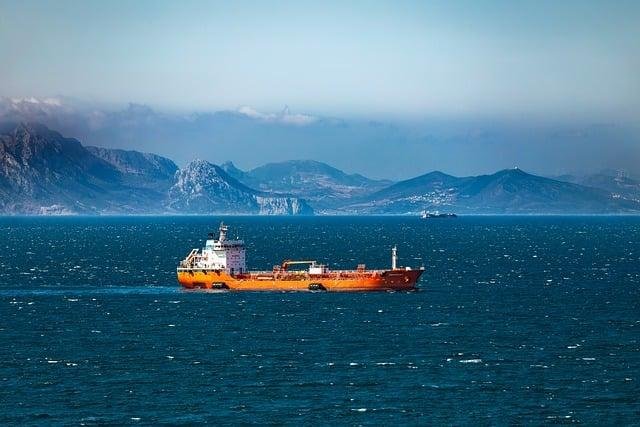
Oil Prices Surge: How U.S. Seizure of Iranian Vessel Impacts Global Markets
The delicate equilibrium of global energy markets was shattered recently following reports that the united States seized an Iranian vessel, an act that has sent ripples of uncertainty across the geopolitical landscape. As news broke regarding this interception, oil prices experienced an immediate and significant jump. This development comes at a critical time, potentially imperiling fragile ceasefire negotiations and heightening tensions in one of the world’s most vital maritime corridors.
In this article, we will explore the mechanics behind this market volatility, the geopolitical implications of the U.S. intervention, and what investors and consumers should anticipate in the coming weeks.
The Trigger: Why Oil Prices reacted Instantly
Global oil markets are highly sensitive to “supply-side risks.” When news emerges regarding the potential restriction of movement through critical chokepoints like the Strait of Hormuz, prices respond with characteristic speed. The U.S. seizure of an Iranian vessel was perceived by traders as a signal that the risk of open conflict in the Persian Gulf has escalated.
The Role of Geopolitical Risk premiums
Traders build a “risk premium” into the price of crude. When the threat of supply chain disruption increases, this premium rises, leading to the “jump” observed on trading desks worldwide. The incident was not merely an isolated maritime event; it was interpreted as a signal that the broader efforts to negotiate a lasting ceasefire in the region were losing momentum.
Market Dynamics: A Snapshot of Volatility
The following table highlights the typical market responses seen during periods of Middle Eastern maritime tension.
| Factor | Market Impact | Risk Level |
|---|---|---|
| Strait of Hormuz Alert | Immediate Price Hike | High |
| Diplomatic Stalemate | Sustained Volatility | Medium |
| Tanker Seizure Reports | Panic Buying/Hedging | Extreme |
| Increased Naval Presence | Long-term Supply Concern | High |
Implications for the Ceasefire Negotiations
For months, regional powers and international mediators have worked toward stabilizing the region through delicate ceasefire talks.The seizure of the vessel acts as a major roadblock. Diplomacy often requires a “de-escalation” surroundings, and by taking assertive action against Iranian interests, the U.S. has elaborate the bargaining position of all parties involved.
Why Every Barrel Counts
Iran remains a significant, albeit sanctioned, player in the global oil market. Any action taken by the U.S. that forces Iran to adopt a more aggressive posture-such as threatening to close or restrict access to the Strait of Hormuz-effectively weaponizes the global energy supply.
* Supply Chain Disruptions: Roughly 20% of the world’s petroleum passes through the strait of Hormuz.
* Logistical Bottlenecks: Increased insurance premiums for tankers often lead to a reduction in fleet availability.
* Energy Insecurity: Importing nations, particularly in Asia, remain the most vulnerable to these price spikes.
Practical Tips for Investors and Energy Consumers
Nav
You might also like:
- Trump Snaps at Reporter for Asking Why He Can Vote by Mail: ‘Because I’m the President’ | Video
- Ultimate Deepfake Guide: 5 Proven Prevention Tips
- تحليل أغنية فصلة – فلبراتشي (النسخة الرسمية)
- Excitement Builds: The World Cup 2026 Draw Highlights
- Unexpected Humor: When a Dog Steals a Pizza Delivery
