
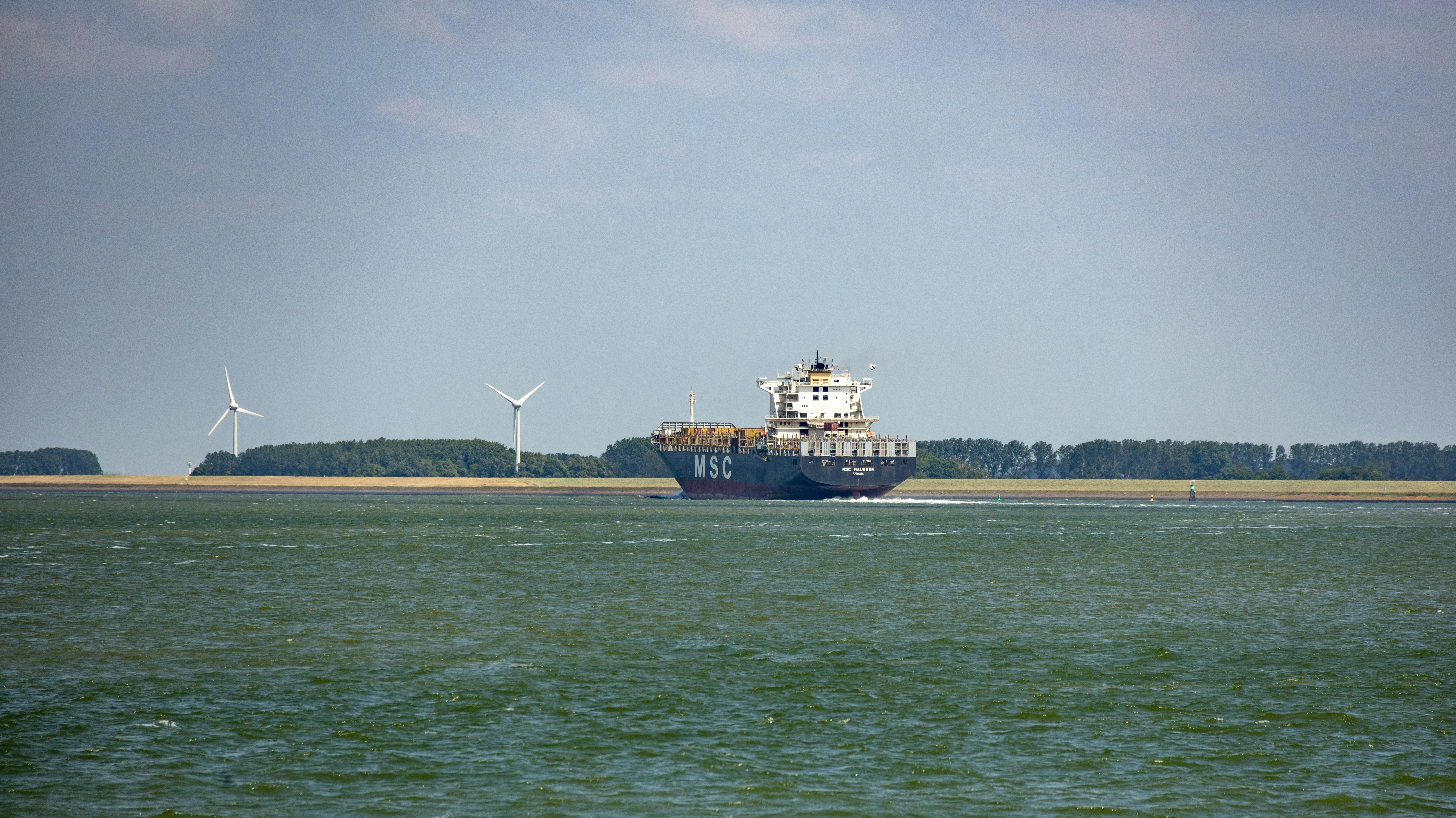
Introduction to the IMO and the Net-Zero Framework
The International Maritime Organization (IMO) plays a crucial role in establishing regulations and standards for global shipping. As a specialized agency of the United Nations, the IMO is tasked with ensuring safe, secure, and efficient shipping on clean oceans. Its primary function is to develop and maintain a comprehensive regulatory framework for international shipping, which includes conventions and guidelines aimed at environmental protection, safety at sea, and the efficient operation of shipping activities.
One of the most significant initiatives put forth by the IMO is the Net-Zero Framework (NZF), which aims to address the urgent issue of climate change within the maritime sector. Under the NZF, the IMO proposes a roadmap that outlines objectives for the reduction of greenhouse gas emissions from ships. The framework’s overarching goal is to achieve net-zero emissions by the year 2050. This ambitious target reflects the growing recognition of the maritime industry’s impact on climate change and the need for substantial action.
The NZF is grounded in several key objectives that emphasize decarbonizing the shipping industry. Firstly, it seeks to encourage the adoption of innovative technologies that can facilitate the transition to more sustainable shipping practices. This includes the development of alternative fuels, energy-efficient vessels, and improved operational practices. Secondly, the framework sets a commitment for continuous improvement in energy efficiency across the sector. By fostering collaboration among stakeholders—including governments, shipowners, and technology developers—the IMO aims to drive significant reductions in emissions.
In the context of global climate initiatives, the Net-Zero Framework is of paramount importance. It aligns with international agreements, such as the Paris Agreement, and underscores the maritime sector’s responsibility in mitigating climate change. By establishing a clear pathway towards achieving net-zero emissions, the IMO not only reinforces its commitment to environmental sustainability but also encourages the shipping industry to play a proactive role in combating climate change.
Key Mechanisms of the Net-Zero Framework
The International Maritime Organization’s (IMO) Net-Zero Framework (NZF) is a significant advancement towards achieving sustainable shipping while addressing climate change. Central to this framework are several key mechanisms that govern emissions reductions in the maritime sector. The first major component is the dual penalty structure aimed at creating a financial disincentive for vessels that exceed prescribed emissions limits. This mechanism imposes penalties for non-compliance, thereby encouraging ship operators to adhere strictly to emissions standards.
Additionally, the NZF introduces mandatory fuel standards, which are pivotal in enforcing reductions in emissions intensity. By regulating the types of fuels that can be used, these standards push the shipping industry towards more sustainable alternatives. Such regulations not only reduce the carbon footprint of individual vessels but also promote innovation in the fuels sector, making low-emission technologies more viable.
Another significant aspect of the NZF is the establishment of a net-zero fund. This financial model is designed to support the development and adoption of green technologies within the shipping industry. The fund aims to provide assistance to nations that are undergoing the transition to more sustainable practices. By investing in innovative solutions, the IMO anticipates that the overall cost of compliance will decrease, facilitating a smoother transition for nations that may lack the necessary resources to implement such changes immediately.
Moreover, the fund can help bridge the gap for developing countries, ensuring that they can also participate in the global commitment to reducing greenhouse gas emissions. Through these mechanisms, the Net-Zero Framework not only sets ambitious targets for emissions reduction but also provides the tools and resources necessary for the shipping industry to meet these targets effectively.
PENALTIES: UNDERSTANDING THE DUAL PENALTY STRUCTURE
The dual penalty structure established by the International Maritime Organization (IMO) represents a significant step towards promoting compliance with net-zero emissions targets in the shipping industry. This system is designed to provide clear financial disincentives for ship operators that fail to adhere to established emission reduction protocols. The penalties are tiered based on the severity of emissions violations, creating a structured approach to enforcement.
At the heart of this dual penalty framework are two distinct tiers of carbon charges. The first tier imposes a penalty of $100 per metric ton of excess carbon emissions. This initial charge is aimed at minor infractions or deviations from set emission limits. It serves as an early intervention mechanism, encouraging operators to address compliance issues promptly before they escalate. Ship operators who proactively manage their emissions can avoid reaching this threshold altogether by implementing more stringent measures.
The second tier, with a significantly higher charge of $380 per metric ton, is reserved for more severe breaches of emissions limits. This escalated penalty reflects the IMO’s commitment to addressing substantial environmental impacts more vigorously. It is a clear indication that the regulatory body views higher emissions not merely as administrative oversights but as serious infractions that require immediate corrective actions. For ship operators, these penalties can represent a considerable financial burden, especially for those who might operate a fleet of vessels subject to various emissions regulations.
Understanding the dual penalty structure is essential for ship operators. By familiarizing themselves with these financial implications, they can better strategize their operational practices to mitigate emissions and avoid costly penalties. As the IMO’s net-zero framework progresses, remaining compliant with emissions guidelines will not only foster financial stability but also contribute significantly to global sustainability efforts.
Mandatory Fuel Standards and Emission Intensity Targets
The International Maritime Organization (IMO) has established a comprehensive framework aimed at achieving net-zero emissions in the shipping sector, emphasizing mandatory fuel standards and stringent emission intensity targets that must be met by 2028 and in subsequent years. These standards require shipping companies to adopt low and zero-emission fuels that significantly reduce greenhouse gas emissions, hence promoting a sustainable marine environment. The core aim of these regulations is to limit the carbon intensity of shipping activities, ultimately steering the industry towards decarbonization.
Under the proposed regulations, shipping companies are tasked with achieving a 20% reduction in emissions intensity by 2028, escalating to at least 40% by 2030, and at least 70% by 2035. This progressive approach necessitates significant technological advancements and operational changes within the industry. The transitions will require a reevaluation of existing fuel types and the adoption of alternative solutions, such as hydrogen and ammonia, which have emerged as viable options due to their low emissions profile.
Meeting these targets presents various operational challenges, including the need for new infrastructure, updated fleet management strategies, and enhanced crew training programs. Additionally, shipping companies must navigate potential economic impacts such as increased operational costs for alternative fuels and investment in better technologies. While these transitions may pose difficulties, they also pave the way for innovations and improvements in efficiency. The industry can leverage advancements in energy storage, propulsion systems, and digital solutions to optimize fuel consumption and reduce emissions.
By embracing these mandatory fuel standards and emission intensity targets established by the IMO, shipping companies not only contribute to global climate goals but also stand to benefit from potential competitive advantages derived from early adoption of innovative solutions and improved operational practices.
Funding the Transition: Estimations and Implications
The International Maritime Organization’s (IMO) commitment to achieving net-zero greenhouse gas emissions by 2050 has substantial financial implications for the global shipping industry. One of the key mechanisms designed to facilitate this transition is the NZF (Net-Zero Fund), which is expected to be largely funded through penalties imposed on vessels that fail to comply with the new emissions standards. These penalties could be estimated to generate between $10 billion to $13 billion annually, creating a significant resource for funding initiatives aimed at reducing the carbon footprint of maritime operations.
These funds will play a critical role in promoting the development and deployment of green technologies within the maritime sector. For instance, investments may be directed towards research and development of alternative fuels, such as hydrogen and ammonia, or innovative designs for more energy-efficient vessels. The establishment of the NZF not only seeks to penalize non-compliance but also encourages shipping companies to invest in cleaner technologies by providing financial support through grants and low-interest loans sourced from these penalties.
Moreover, it is essential to consider that the transition towards a net-zero economy may pose challenges for developing nations that rely heavily on shipping for their economies. Therefore, a portion of the NZF is anticipated to be allocated to assist these vulnerable countries in adapting to the expected changes. Such support could manifest in capacity-building programs, training, and technology transfer initiatives, ensuring that these nations can also transition to greener practices without facing undue economic hardship. Overall, the financial implications of the NZF represent a crucial step in steering the shipping industry towards sustainable operations, while simultaneously addressing equity concerns across international markets.
Impact on Shipping Costs: A Comprehensive Overview
The International Maritime Organization’s (IMO) Net-Zero Framework (NZF) is anticipated to have significant ramifications on operational costs within the shipping industry. As the framework seeks to align maritime operations with global climate targets, it is essential to understand how these changes will affect various facets of shipping expenses.
One of the primary outcomes of implementing the NZF will be the cost pass-through to consumers. Increased operational costs for shipping companies, arising from investments in cleaner technologies and compliance with new regulations, are likely to be transferred to consumers in the form of higher prices. This is particularly relevant in the cruise industry, where ticket prices might experience notable increases as companies strive to offset the expenditures associated with implementing carbon-neutral initiatives.
Increased ticket prices could lead to a decline in consumer demand, thereby impacting bookings and overall revenue for cruise lines. High operational costs may force some companies to reconsider their pricing strategies, leading to an increased focus on value-added services to encourage bookings despite higher base prices. Additionally, cruise operators will need to closely monitor the competitive landscape, as other vacation options may present more cost-effective alternatives for budget-conscious travelers.
Moreover, these shifts may necessitate a reevaluation of operational funding mechanisms within the maritime sector. Companies could face the challenge of securing financing for cleaner technologies and infrastructure upgrades while keeping a competitive edge in pricing. As these transformations unfold, close attention will be required to recognize the broader implications for labor, supply chain dynamics, and resource allocation.
Overall, the implementation of the NZF stands to reshape financial strategies in the maritime industry, highlighting the urgent need for stakeholders to adapt and innovate to navigate the future costs of shipping effectively.
Investments Required for Compliance
The shipping industry faces substantial investments to comply with the International Maritime Organization’s Net-Zero Framework (NZF). One of the primary costs involves retrofitting existing ships to meet new environmental standards. This process can be extensive and costly, as it may require significant modifications to engine systems and exhaust cleaning technologies. Depending on the ship’s size and current technology, retrofitting could range from hundreds of thousands to several million dollars.
In addition to retrofitting, the transition to cleaner fuels presents another major financial consideration. The industry is moving away from traditional fossil fuels towards alternative fuels such as hydrogen, ammonia, and biofuels. These cleaner fuels are often in limited supply and may require additional infrastructure investments for storage and handling. The cost implications of shifting to these fuels can vary significantly, influenced by market availability, production costs, and the necessity to adapt bunkering facilities accordingly.
Moreover, compliance with the NZF will also mean a reconfiguration of onboard space for fuel tanks. Ships may have to sacrifice cargo space to accommodate the infrastructure necessary for storing alternative fuels. This reduction in cargo capacity can directly affect a shipping company’s revenue potential. Consequently, the financial burden extends beyond mere compliance costs—it encompasses lost earnings due to decreased cargo capacity and the associated impact on operational efficiencies.
Ultimately, a multi-faceted investment strategy is required as the shipping industry navigates compliance with the NZF, addressing the immediate expenses related to retrofitting, expenses tied to fuel innovation, and the broader implications of operational redesign. Companies that strategically plan for these costs can better position themselves in a market increasingly focused on sustainability and environmental responsibility.
Consumer Reactions: Understanding Market Dynamics
The transition towards a net-zero emissions framework as proposed by the International Maritime Organization (IMO) is anticipated to result in an increase in operational and ticket costs within the shipping industry. These cost escalations may provoke varied reactions from consumers, a factor that is vital for industry stakeholders to consider when planning future strategies.
Higher ticket prices, particularly for cruises and freight shipping services, could lead to a significant shift in consumer demand. It is essential to understand that consumer tolerance for price increases varies based on several factors, including disposable income, perceived value, and the availability of substitutes. For example, consumers might gravitate towards budget travel alternatives or even reconsider their holiday plans if cruise fares ascend too sharply, ultimately affecting overall demand within the sector.
In this evolving market, companies will need to refine their marketing strategies to address these potential changes in consumer sentiment. Strategies might include emphasizing value through enhanced experiences, exceptional service, and sustainability initiatives that could justify increased prices. Emphasizing the long-term benefits of a net-zero framework in terms of environmental protection might align consumer values with the additional costs incurred. Moreover, transparent communication about initiatives aimed at reducing ecological footprints could foster a sense of loyalty and brand trust among consumers.
It is crucial for shipping companies to remain attuned to market trends and conduct thorough consumer research to gauge reactions toward price adjustments. Additionally, the implementation of targeted promotions and loyalty programs could also mitigate the adverse effects of increased costs, encouraging a more consistent customer base even amidst rising prices. Thus, understanding market dynamics in the context of a net-zero framework is pivotal for both retaining existing customers and attracting new ones.
Timeline for Implementation and Future Perspectives
The International Maritime Organization (IMO) has set a clear framework for the shipping industry to navigate its path toward net-zero emissions by 2050. This ambitious goal is paired with a structured timeline detailing key milestones that stakeholders must adhere to in order to achieve these objectives. As part of the initial phase, a series of short-term measures is expected to be implemented by 2023. These measures will primarily focus on enhancing energy efficiency and establishing stringent emission reductions.
By 2025, the organization aims to have comprehensive strategies in place that encompass various operational adjustments. These strategies will likely include the adoption of cleaner fuel alternatives, technological innovations for vessels, and enhanced regulatory frameworks guiding maritime operations. In alignment with these initiatives, it is crucial for shipping companies to assess their current emissions, setting baseline performance measures that will facilitate progress toward net-zero emissions.
As the industry approaches 2030, it is anticipated that there will be significant advancements in maritime technology aimed at reducing carbon footprints. This period will involve heightened scrutiny of emissions reporting practices and the introduction of market-based measures, such as carbon pricing, which can influence operational costs significantly. Stakeholders will need to be agile, adapting to these developments by investing in new technologies and workforce training.
Moving toward 2040, the emphasis on sustainable practices will grow increasingly pronounced, with expectations for real-time data monitoring and AI-driven analytics to optimize routes and energy consumption. As shipping enterprises gear up for net-zero compliance, collaboration among governments, private entities, and academic institutions will play a pivotal role in fostering innovations.
In summary, the timeline set forth by the IMO reflects a commitment to sustainable growth within the maritime sector. The journey to achieving net-zero emissions will require continuous adaptation and collaboration, ensuring that the shipping industry not only meets its regulatory obligations but also embraces a more sustainable future.
You might also like:
- Surge in Gold Prices: A Reaction to Economic Indicators and Government Speculation
- Brazil passes law allowing seized crypto to be extinct for public security
- Weather Forecast for Phoenix, Arizona on December 10, 2025
- Gaza Conflict: Current Challenges Despite Improvement
- Citigroup’s Q4 2025 Earnings Report: Key Insights and Market Reactions
