
Understanding Herd Immunity
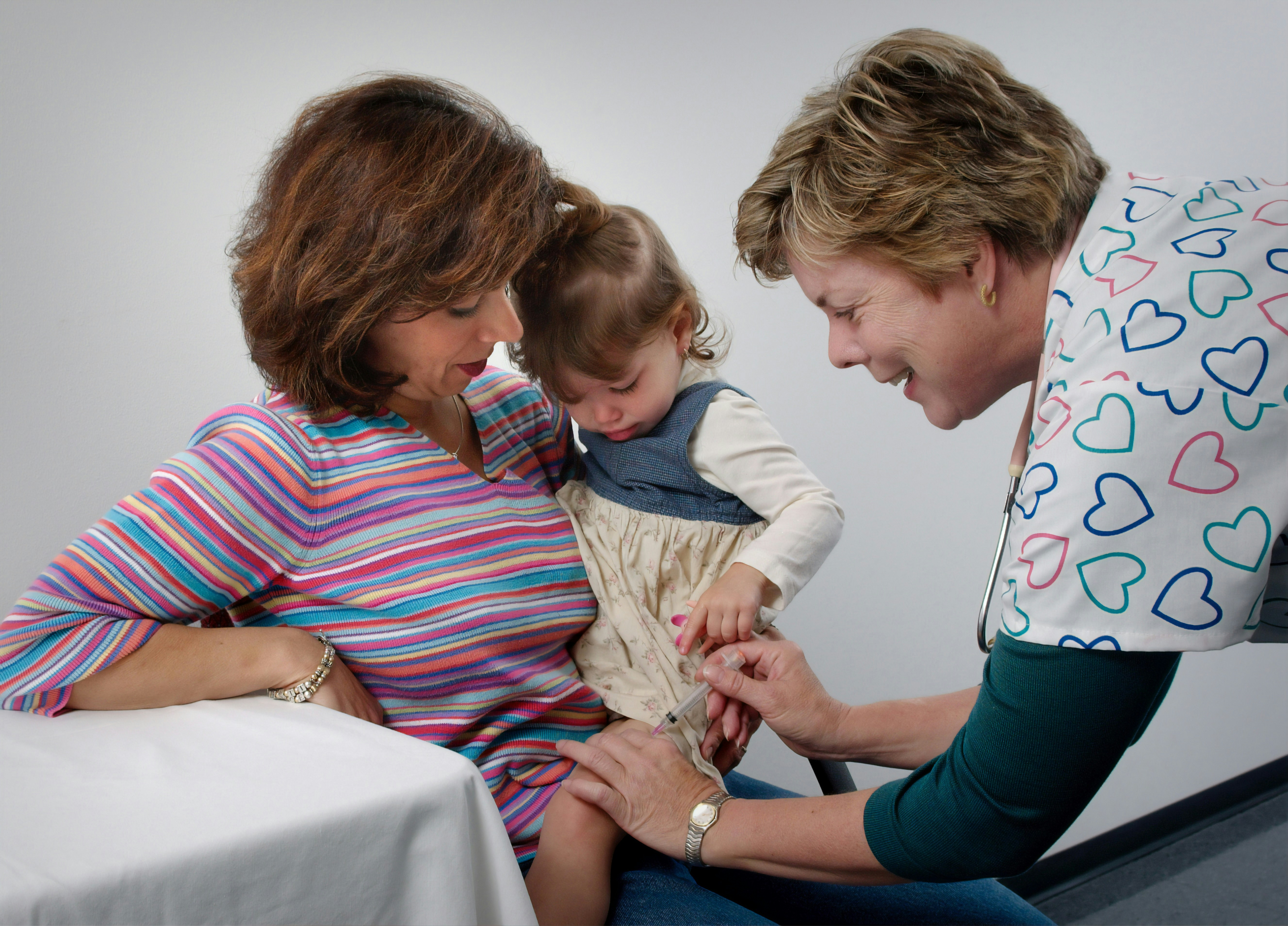
Herd immunity is a crucial public health concept that refers to the indirect protection of individuals within a population from infectious diseases. This occurs when a significant portion of a community becomes immune, either through vaccination or prior illness, thereby reducing the overall likelihood of disease transmission. As a result, even those who are not immunized, such as infants, the elderly, or those with underlying health conditions, are afforded some level of protection due to the decreased circulation of the pathogen.
The principles of herd immunity are rooted in the fundamental understanding of how diseases spread. Infectious agents, such as viruses and bacteria, rely on hosts to multiply and propagate. When a sufficient percentage of the population is immune—typically estimated to be between 70% to 95% for highly contagious diseases—it creates a barrier that makes it difficult for the disease to spread. Notably, this threshold varies depending on the pathogen’s transmissibility; hence, it is critical to ascertain the specific requirements for each disease.
Vaccination plays a pivotal role in achieving herd immunity. It not only protects individuals who receive the vaccine but also contributes to the broader public health goal by limiting the potential for outbreaks. For communities to reach the required immunity levels, it is essential that people are educated about the safety and efficacy of vaccines. High vaccination rates are necessary to ensure that those who cannot receive vaccinations—due to age or medical conditions—are shielded from outbreaks of preventable diseases.
In conclusion, herd immunity serves as a vital defense mechanism in public health, ensuring that vulnerable populations are protected. Understanding its significance underscores the importance of widespread vaccination and public education in safeguarding community health.
Personal Testimony: A Mother’s Heartbreak
As a mother, I have always held an unshakeable belief in the importance of vaccines. I viewed them as a cornerstone of public health, safeguarding not only my children but also the broader community. However, my perspective shifted dramatically when my youngest child was diagnosed with a severe autoimmune disorder. This condition, unfortunately, rendered him ineligible for many vaccines due to the risk of adverse reactions. Compounding my fears, I have watched as vaccine-preventable diseases have surged in other communities, threatening the very essence of herd immunity.
The moment I learned that my child could not be vaccinated, a wave of anxiety washed over me. I felt a profound sense of isolation, as if I were walking a tightrope between our family’s health and the wider public’s choices regarding vaccination. Each time I see a news report about outbreaks of diseases like measles or whooping cough, my heart races. I am acutely aware that these diseases could be devastating for my child, who relies on the immunity of others to protect him.
It has been heartbreaking to witness the dismissive attitudes some individuals hold towards vaccination. I have faced numerous conversations online and offline where misinformation is rampant, leaving me feeling desperate to advocate for those who cannot advocate for themselves. My child’s well-being is intertwined with the vicarious protection offered by herd immunity. This concept is not an abstract idea; it is our reality. I often question whether our society truly understands the weight of personal risk that families like mine endure daily.
This journey has taught me to appreciate the complexities of immunity, public health, and the ethical implications of individual choices. Each story matters, and every child deserves a chance to be safe from diseases that can be easily prevented through vaccination.
The ethics of vaccination represents a complex intersection between personal choice and public safety. On one hand, individuals assert their rights to make health-related decisions based on their beliefs, values, and personal circumstances. On the other hand, these personal choices can have significant repercussions for public health, particularly during a pandemic. The debate surrounding vaccination mandates emphasizes the balance between individual autonomy and the collective responsibility to protect vulnerable populations, including infants, the elderly, and those with compromised immune systems.
When individuals refuse to vaccinate, they not only put themselves at risk but also increase the likelihood of disease transmission within their communities. This raises vital ethical questions about the moral obligation of individuals to consider not just their wellbeing, but the welfare of others. Public health experts argue that herd immunity, achieved through widespread vaccination, acts as a protective barrier for those who cannot be vaccinated, such as people with allergies to vaccine components or specific medical conditions. Hence, individual decisions impact the broader community’s safety.
Additionally, the ethical implications extend beyond health concerns to touch on issues of equity and social justice. Vaccine accessibility remains uneven, raising concerns about whether mandates disproportionately affect marginalized communities that may have less access to vaccine resources or misinformation. Ethical vaccination policies must therefore consider the historical and socio-economic factors influencing decisions on immunization. This prompts a critical evaluation of how public health information is disseminated and what measures can be enacted to ensure that all individuals are adequately informed and supported in their health choices.
In this context, ethical vaccination practices must navigate the fine line between respecting personal choice and safeguarding the collective health of society. Policymakers and public health officials face the daunting task of creating strategies that honor both individual rights and the compelling need to prevent outbreaks, thereby ensuring a comprehensive approach to public health that is both ethical and effective.
The Real-World Consequences: Tragic Outcomes from Vaccine Refusal
The implications of failing to achieve herd immunity extend far beyond theoretical discussions. In real-world scenarios, the refusal to vaccinate can lead to severe health crises that affect the most vulnerable in society, particularly children. A notable example is the resurgence of measles in communities where vaccine uptake rates have dropped significantly. In 2019, the United States reported over 1,200 cases of measles, the largest outbreak in over two decades, largely attributable to declining vaccination rates. Many of these cases occurred among unvaccinated children, some of whom faced life-threatening complications such as pneumonia and encephalitis.
Case studies highlight the devastating consequences that can arise when herd immunity is not attained. For instance, when measles outbreaks hit, fatalities are not uncommon among those who are not vaccinated, resulting in preventable deaths that shock communities. These outbreaks often involve tragic stories of children who would have otherwise been protected by herd immunity but fell victim to vaccine-preventable diseases because others chose to opt out of vaccination. In one widely publicized case, a child who contracted whooping cough due to a lack of surrounding immunity suffered severe health consequences, ultimately resulting in a avoidable death.
Such incidents underscore the importance of community-wide vaccination efforts. Vaccination is not just an individual choice but has communal ramifications that can place at risk those who cannot be vaccinated due to medical conditions, such as infants or immunocompromised individuals. The collective decision to vaccinate or not can result in tragic outcomes, exacerbating health disparities and leading to unnecessary losses. As the experiences of these communities reflect, achieving herd immunity is crucial for safeguarding the population’s health and preventing further heart-wrenching incidents. The tragic outcomes from vaccine refusal highlight the ethical duty individuals share to protect those unable to protect themselves.
( Archer writes )
You might also like:
- 7 Proven Newsletter Secrets for Growth
- Renewable Energy Transition: Must-Have Solutions for a Greener Future
- Exploring the Downsview Airport: A Gateway to Toronto Travel
- IronClaw competitors OpenClaw, Olas launches bots for Polymarket — AI Seek for
- What to Expect from Microsoft Ignite 2025: Insights and Innovations
