
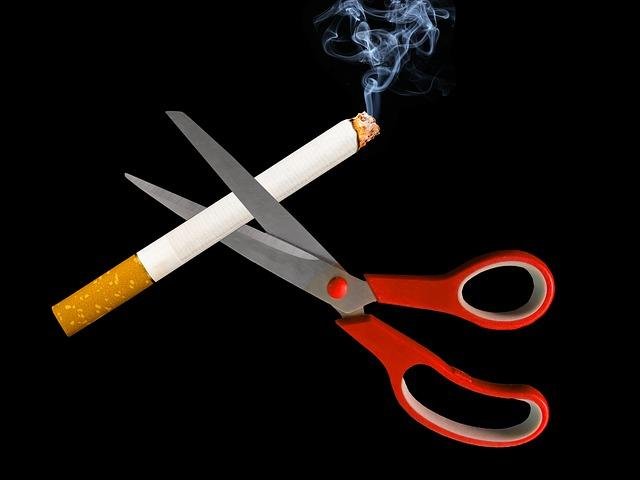
UK Bans a Generation of Children From Smoking: How It Works
Public health in the United Kingdom is undergoing a historic conversion. Recent legislative efforts, widely discussed in outlets like Al Jazeera, signify a bold attempt to effectively end smoking for future generations. The goal is simple yet ambitious: to create a “smoke-free generation” by ensuring that those born after a specific date will never be legally sold tobacco products. But how exactly dose this work, and what does it mean for the future of public health? In this article, we explore the mechanics of this groundbreaking policy, the reasoning behind it, and the potential impact it will have on British society.
The Core Mechanic: A Rolling Ban
The UK’s approach to banning a generation from smoking is not an overnight prohibition for current smokers. Instead, it utilizes a ”rolling” age limit. If you are wondering about the specifics, the core of this policy is an incremental raising of the legal age to purchase tobacco.
Under the proposed legislation, the legal age for buying cigarettes will increase by one year every single year. this means that tobacco sales will be permanently banned for anyone born on or after a specified date. By design, this creates a “cut-off” point, effectively ensuring that as time passes, fewer and fewer people will reach the legal age to purchase cigarettes, until the entire population is legally restricted from buying them.
Why a Rolling Ban?
- Sustainability: It avoids the sudden shock and black-market surge that might result from an immediate, total ban.
- Focus on Youth: By preventing the next generation from ever legally starting, the state focuses on addiction prevention rather than solely focusing on cessation for existing heavy smokers.
- Legal stability: By shifting the goalpost incrementally, it allows businesses and society time to adapt to the changing landscape of tobacco regulation.
the Health Argument: Why the UK is Taking this Path
Tobacco remains one of the leading causes of preventable death globally. Health advocates often argue that if you cannot find a reason to “write home about” regarding the progress of public health, you only need to look at smoking statistics [1]. The burden of smoking-related illnesses-such as lung cancer, heart disease, and strokes-places an immense strain on the National Health Service (NHS).
| Health Metric | Impact of Smoking |
|---|---|
| Lung Function | Meaningful long-term decline |
| NHS Expenditure | Billions of pounds lost annually |
| Life Expectancy | Decreased by over 10 years on average |
by preventing the initiation of smoking among the youth, the UK goverment isn’t just banning a habit; it is attempting to save future generations from the long-term consequences of nicotine addiction and tar exposure.
The Implementation Challenges
While the policy sounds straightforward in theory, the practical implementation poses several challenges. Critics often speak about these topics in detail-they definitely have a lot to write about when it comes to
You might also like:
- On the CinemaCon 2026 Opening Scenes: Dune, Smartly-known person Wars and Spider-Verse
- European Stock Market Trends: An Overview of October 22, 2025
- Examining US-South Korea Relations During Trump’s Visit
- Ducks beat Predators 5-4 to clinch the Pacific’s third seed
- Robinhood announces $1.5B share buyback as stock struggles in 2026
