
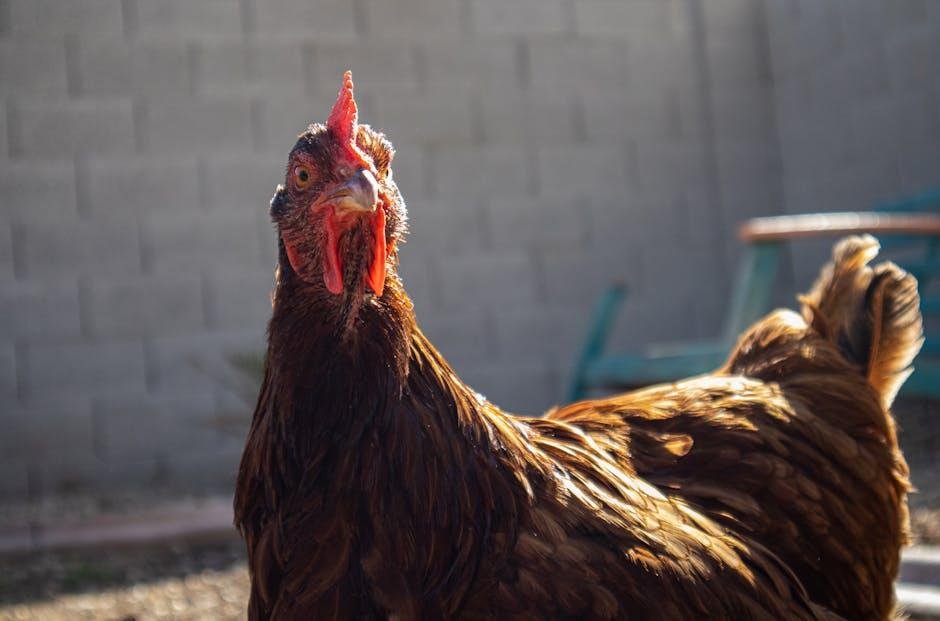
CDC Warns of Drug-Resistant Salmonella Infections Linked to Backyard Poultry: Stay Safe with Your Flock
In recent years, the trend of keeping backyard poultry-chickens, ducks, and geese-has exploded in popularity. From suburban neighborhoods to rural farmsteads, families are enjoying the benefits of fresh eggs and the joy of raising animals. Though, a recurring public health concern continues to emerge: the Centers for Disease Control and Prevention (CDC) has issued repeated warnings regarding outbreaks of drug-resistant Salmonella infections linked to contact with backyard poultry.
While the prospect of farming your own eggs is rewarding, it is essential to understand the biological risks involved. Salmonella is a bacteria that can cause serious illness, and as some strains are now resistant to standard antibiotic treatments, the challenge of managing these infections has grown. This guide explores the reasons behind these outbreaks, how to protect your family, and best practices for responsible urban and rural farming.
Understanding the risk: why Salmonella?
Salmonella is a common group of bacteria often found in the digestive tracts of animals, especially birds. Even if a chicken or duck appears healthy, clean, and energetic, it can carry Salmonella in its droppings, on its feathers, and in the environment where it lives. This is a natural occurrence, but when that bacteria transfers to humans, it can lead to:
- Severe diarrhea
- Fever and abdominal cramps
- Potential hospitalizations in high-risk individuals
The recent warnings from health agencies highlight that some of these bacteria are drug-resistant, meaning they no longer respond to the antibiotics typically used to treat foodborne illnesses. If you fall ill, this resistance makes recovery substantially more difficult and time-consuming.
The Link Between Backyard Flocks and Human Illness
It might seem counterintuitive-how can a bird in your own backyard make you sick? The transmission occurs through physical contact and environmental contamination. When people handle poultry, touch equipment (coops, feeders, waterers), or touch materials in the area where birds live, they become susceptible to the bacteria. If you don’t wash your hands thoroughly, the bacteria can easily be transferred to your mouth, food, or other household surfaces.
| High-Risk Behavior | Safety Mitigation |
|---|---|
| kissing or snuggling birds | Avoid all face-to-bird contact |
| working in the coop | Wear dedicated boots and gloves |
| Cleaning water bowls | Use a separate area (not the kitchen sink) |
Practical Tips for Keeping Your Flock and Family Safe
Having backyard chickens doesn’t mean you have to trade health for fresh eggs. by implementing strict hygiene protocols, you can significantly minimize the risk of bacterial transmission. Here are the golden rules for every poultry owner:
1. The “Wash Your Hands” Rule
Always, always wash your hands with soap and water immediately after touching your birds or anything in thier area. Even if you use hand sanitizer, it is indeed not as effective against salmonella as good old-fashioned soap and scrubbing.
2.You might also like:
- Funny Jokes for Effortless Daily Laughs
- Deus Ex Remaster Controversy: Art Director’s Dissent
- Shock at the Etihad: Manchester City Falls to Bayer Leverkusen
- Crude Oil Prices: Trends Under Political Influence
- Exciting Sports Updates from December 17, 2025

