
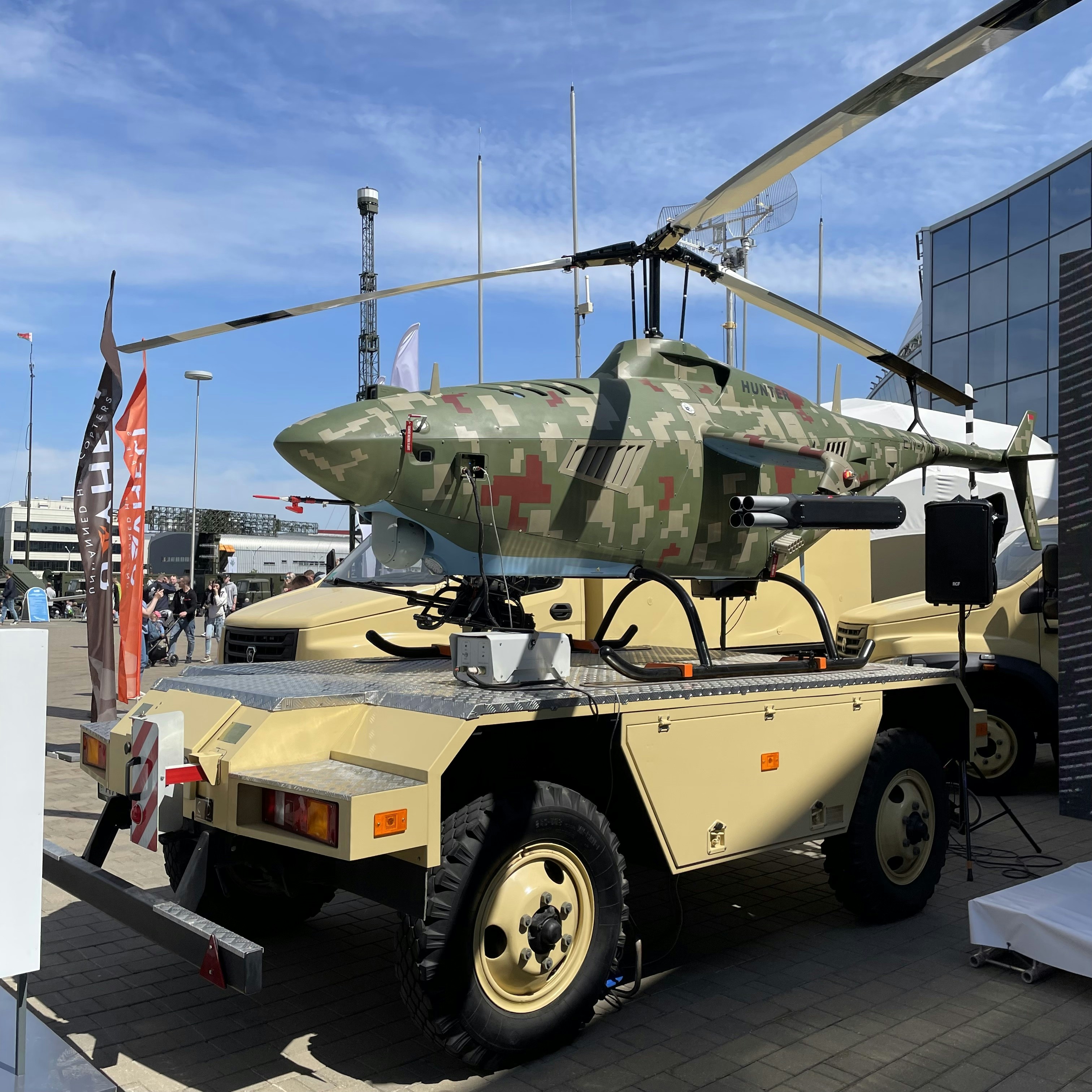
Understanding Kamikaze UAVs
Kamikaze UAVs, also known as loitering munitions, represent a transformative approach to modern warfare, symbolizing a significant shift in combat strategies. Their primary purpose is to act as precision-strike weapons that combine surveillance and offensive capabilities. These unmanned aerial vehicles (UAVs) are designed to be launched into the battlefield where they can loiter for extended periods, identifying and engaging high-value targets autonomously or under human guidance. The strategic integration of kamikaze UAVs into military operations enhances the effectiveness of ground and air forces by allowing commanders to conduct targeted strikes with minimal risk to personnel.
The technology embedded in kamikaze UAVs is critical to their function. Most of these drones are equipped with sophisticated guidance systems that utilize GPS and advanced sensors to navigate, ensuring high accuracy during strikes. The explosive payloads they carry vary, often tailored to target specifications, and can include conventional explosives or specialized warheads designed to penetrate tough defenses. This versatility allows them to engage various enemy assets, including armored vehicles, command centers, and logistic hubs, effectively reshaping the tactical landscape.
The historical context of drone warfare is essential to fully appreciate the evolution of kamikaze UAVs. Initially conceptualized as surveillance platforms, UAVs have undergone significant advancements since their inception. As conflicts have evolved, so too have the roles that these drones play in warfare. The introduction of kamikaze UAVs marks a pivotal moment in military history, where technology and strategy converge to create a new category of warfare. Their deployment not only increases operational efficiency but also introduces ethical and tactical considerations, prompting military strategists to rethink conventional approaches to combat. The development of kamikaze UAVs signifies a noteworthy evolution in military engagement, blending technology with innovative warfare strategy.
The M1 Abrams Tank: A Brief Historical Overview
The M1 Abrams tank, named after General Creighton Abrams, has been an integral part of U.S. military operations since its introduction in the late 1970s. Developed as a response to the challenges posed by Soviet armor during the Cold War, the M1 was designed to offer superior firepower, mobility, and protection. The tank’s prototype, the XM1, was first tested in 1973, leading to its formal adoption by the U.S. Army in 1980. One of its most notable features is the powerful 120mm smoothbore cannon, capable of firing a variety of munitions that enhance its lethality on the battlefield.
Throughout the years, the M1 Abrams has undergone numerous upgrades to address evolving combat requirements. Its advanced armor and onboard systems, including the sophisticated fire control electronics, contribute to its status as one of the most formidable tanks in modern warfare. The tank has been prominently featured in various conflicts, including the Gulf War, where it demonstrated unparalleled effectiveness against enemy armor and fortifications, cementing its reputation as a tactical asset for the U.S. military.
The significance of the Abrams tank extends beyond its performance in conventional warfare. As military strategies continue to evolve, the integration of technology has played a pivotal role in enhancing the effectiveness of ground forces. The M1 Abrams has been adapted to incorporate new technologies, such as improved communication systems and the potential for unmanned aerial vehicle (UAV) launchers. These innovations not only augment the tank’s combat capabilities but also ensure its continued relevance on the modern battlefield. The combination of the M1’s robust engineering and the emergence of UAV technology positions it as an ideal platform for future military operations.
Integration and Testing of Kamikaze UAV Launchers in M1 Abrams
The integration of kamikaze UAV launchers into the M1 Abrams tank reflects a significant advancement in military technology, merging traditional armored warfare with innovative unmanned capabilities. The integration process commenced with extensive engineering evaluations to determine design specifications that would align with the existing frameworks of the M1 Abrams. This endeavor required a detailed analysis of weight distribution, power supply, and structural integrity to ensure that the launchers could operate without compromising the tank’s mobility and effectiveness.
One of the core engineering challenges was developing a launcher system that could be seamlessly integrated into the tank’s existing armored structure while maintaining operational readiness. The design had to accommodate multiple launch configurations to enhance versatility during combat situations. As such, collaborations between engineers and military strategists were essential in outlining the specifications that would optimize the performance of the UAV launchers and ensure compatibility with the tank’s advanced targeting systems.
The testing phases of the kamikaze UAV launcher integration were rigorous and multifaceted. Initial simulations evaluated the systems under various combat scenarios to assess performance metrics and effectiveness. Subsequently, live-fire testing was executed, whereby the launchers were put through real-world conditions to ascertain their reliability and accuracy. Data collected from these tests provided crucial insights into the integration’s impact on battlefield tactics. The ability to launch UAVs directly from the M1 Abrams not only enhances the tank’s offensive capabilities but also expands its role in reconnaissance and situational awareness, thereby increasing its overall operational effectiveness.
In essence, the integration of kamikaze UAV launchers into the M1 Abrams tank signifies a transformative leap in military strategy, ushering in a new era in armored warfare. This convergence of technology and traditional combat vehicles promises to redefine future battlefield engagements.
Future Implications of UAV Technology in Ground Warfare
The integration of Unmanned Aerial Vehicle (UAV) technology into ground combat units signifies a transformative shift in military strategy, particularly when applied via systems like kamikaze UAV launchers on M1 Abrams tanks. This development could lead to a redefinition of tactical operations, affecting the traditional balance between air and ground forces. As ground units utilize UAVs for reconnaissance, precision strikes, and even kamikaze attacks, the battlefield dynamics are expected to change significantly. The capacity to deploy aerial support from within armored units enhances both offensive capabilities and defensive measures, offering real-time intelligence while safeguarding personnel.
As militaries adapt to this technology, new strategies will need to emerge. The reliance on UAVs could prompt adversaries to develop counter-UAV technologies, fostering an arms race that may include electronic warfare tools, anti-drone weapons, and steerable projectiles. Furthermore, the evolution of performance metrics to assess the effectiveness of UAVs in ground engagements may lead to a paradigm shift in resource allocation and training for military personnel. A fundamental understanding of UAV technology becomes essential for modern warriors.
In addition, ethical considerations surrounding the employment of UAVs, particularly in kamikaze formats, will require careful evaluation. The potential for decreased collateral damage is counterbalanced by concerns over accountability, particularly when autonomous systems operate independently in combat scenarios. Addressing these ethical concerns will be paramount as militaries increasingly integrate autonomous weapon systems into their operations.
Overall, the broader implications of UAV technology in ground warfare extend beyond mere tactical advancements. They encompass a comprehensive reevaluation of military strategy, the interplay between ground and aerial capabilities, and the ethical responsibilities tied to the use of autonomous systems in ensuring the principles of just warfare are upheld.
You might also like:
- The Rise of Right-Wing Movements in Britain: A Social and Political Analysis
- Understanding the Israel-Hamas Conflict in Gaza: Ongoing Tensions and Ceasefire Developments
- Lewis Hamilton’s Crash: A Critical Moment at the Abu Dhabi GP
- The Energy Summit of December 10, 2025: Houston’s Role in Shaping the Future
- Understanding the Solana Market Today: Trends, Opportunities, and Insights