
The Current Trade Landscape Between the EU and China
The trade relationship between the European Union (EU) and China has evolved into one of the most significant economic partnerships globally. As of 2023, China remains the EU’s largest source of imports, and this dynamic is characterized by a substantial trade deficit for the EU. In 2022, the EU imported goods worth approximately €450 billion from China while only exporting around €200 billion, resulting in a trade deficit exceeding €250 billion. This imbalance raises questions about the ongoing sustainability of such trade flows.
The nature of imported goods from China varies considerably, encompassing a wide range of sectors, including electronics, machinery, and textiles. The EU’s reliance on Chinese manufacturing for essential goods places it in a precarious position, as it becomes vulnerable to supply chain disruptions. Notably, sectors like consumer electronics and telecommunications have been particularly affected, constituting a significant share of EU imports from China. Thus, the question arises: how does the EU mitigate the risks associated with this trade reliance?
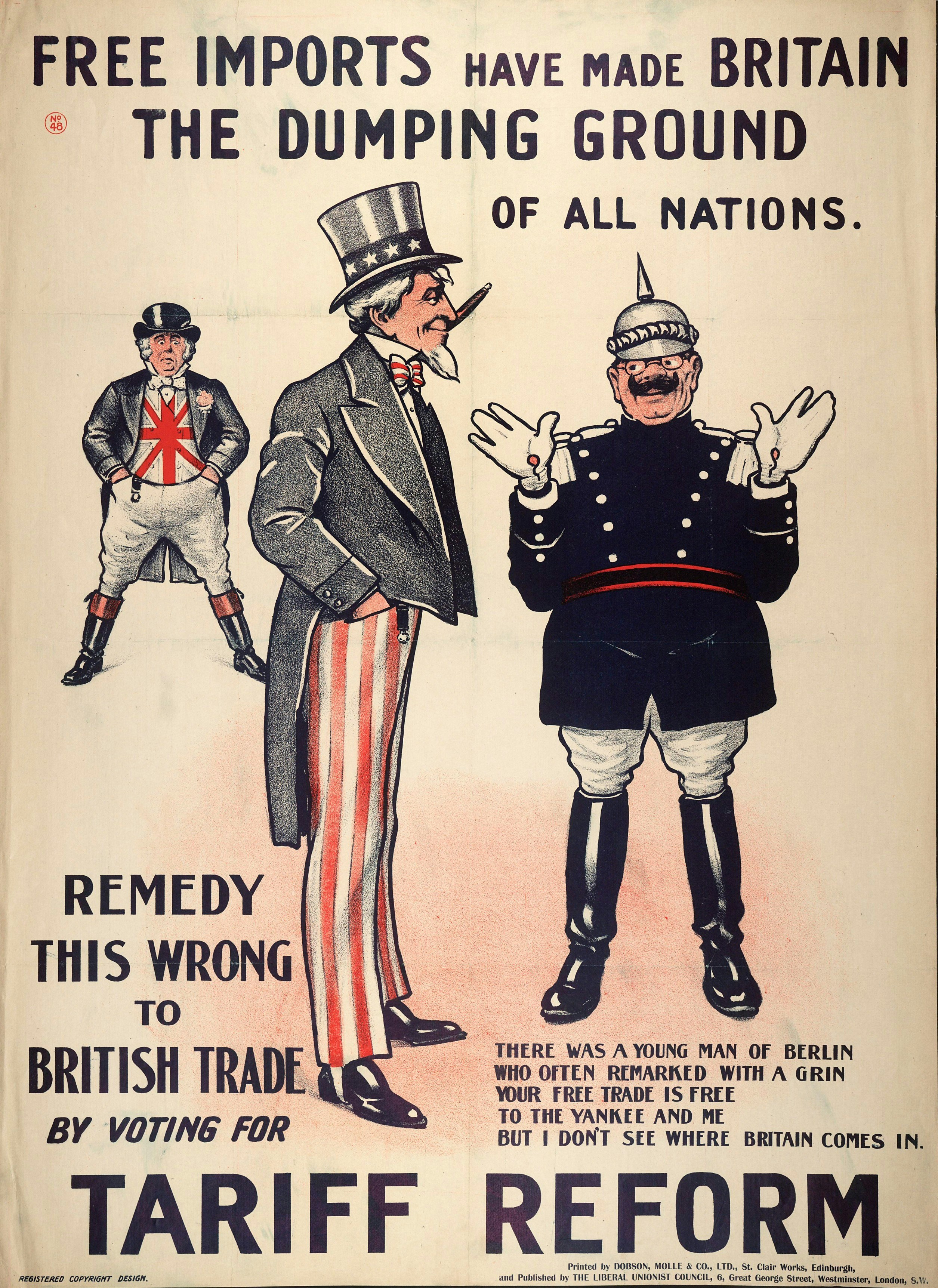
The implications of this trade deficit are multifaceted. For instance, while consumers in the EU benefit from affordable products, the manufacturing sector faces challenges due to fierce competition from Chinese goods. EU policymakers are increasingly concerned about safeguarding local industries, leading to discussions about implementing protective measures, including potential tariffs on Chinese goods to address these imbalances and reinforce domestic production capabilities.
Additionally, the political dimension of the trade relationship cannot be overlooked, as growing tensions on various fronts, including human rights and environmental issues, impact trade negotiations. Consequently, understanding the current trade landscape between the EU and China is crucial as the situation continues to evolve, particularly in light of Macron’s recent warnings concerning potential tariffs and their implications on this complex relationship.
Emmanuel Macron’s Stance on Trade Tariffs
Recent discussions surrounding international trade have brought President Emmanuel Macron’s views on tariffs to the forefront, particularly concerning Chinese goods. Macron has been vocal about the need for a recalibration of trade policies to ensure a level playing field within the European Union (EU). In the context of increasing trade tensions globally, Macron’s administration has signaled the potential for imposing tariffs on Chinese products as a means to address perceived unfair trade practices. This stance is underscored by a series of meetings and discussions among EU leaders aimed at evaluating trade relations, which revealed concerns over market imbalances fostered by non-EU nations.
Macron’s advocacy for tariffs stems from a broader objective of promoting fair trade practices, which is crucial not only for the economic health of EU member states but also for the integrity of international trade. By suggesting tariffs, Macron aims to shield local industries from unfair competition, boost competitiveness, and stimulate job creation within the EU. This approach resonates with his emphasis on supporting regional manufacturers and encouraging sustainable economic growth. The prospect of tariffs serves as a strategic tool to counteract practices such as dumping and subsidies that have historically disadvantaged EU businesses.
Furthermore, Macron has highlighted the importance of working collaboratively with other EU nations to develop a cohesive and strategic response to external economic pressures. He advocates for a united front to address trade imbalances that arise due to differential economic practices employed by countries such as China. By championing the implementation of tariffs, Macron seeks to enhance the EU’s negotiating power and ensure that European industries are not left vulnerable to aggressive pricing strategies from abroad. Overall, Macron’s stance reflects a commitment to fostering an equitable trading environment while navigating the complexities of global trade dynamics.
Possible Responses from China
In response to President Macron’s warnings regarding potential EU tariffs on Chinese goods, one can expect a multifaceted strategy from the Chinese government. Historically, China has utilized diplomatic negotiations as a primary tool in addressing trade disputes. The Chinese leadership may initially opt for quiet diplomacy, seeking to engage European leaders in discussions aimed at alleviating concerns over trade practices. Such negotiations could involve showcasing reforms or adjustments in China’s trade policies to reassure the EU about its commitment to a balanced global trading environment.
Additionally, if diplomatic efforts do not yield the desired outcomes, China could resort to retaliatory measures. A common tactic might involve imposing tariffs on imports from EU nations, targeting specific industries or countries that are deemed most vulnerable to trade disruptions. This approach was evident during previous trade disputes, such as the tariffs imposed during the trade conflict with the United States, indicating a historical precedent for this reaction. Furthermore, China’s state-controlled media may ramp up nationalistic rhetoric, framing the situation as an external threat to its economic sovereignty, thereby rallying domestic support against perceived Western aggression.
China’s economic priorities play a significant role in shaping its responses. As it endeavors to push forward with its domestic growth initiatives, such as the dual circulation strategy which emphasizes self-reliance while maintaining global ties, the Chinese government will seek a delicate balance. The potential for an escalation in tariffs could challenge its long-term goals of economic stability and growth. Therefore, it is plausible that China will explore avenues for compromise that align with its interests, potentially preferring adjustments to ensure the preservation of its economic relations with the EU while also safeguarding its domestic market priorities.
Broader Implications for Global Trade
The warning issued by French President Emmanuel Macron regarding potential tariffs on Chinese goods signals a significant shift in the landscape of international trade. Should the European Union move forward with these tariffs, the ramifications will extend well beyond the immediate relationship between the EU and China. Multinational businesses operating within the EU may find themselves navigating an increasingly complex environment characterized by heightened duties and regulatory challenges. This could lead to a rise in production costs, impacting pricing strategies and ultimately consumer behavior.
The imposition of tariffs is likely to trigger a ripple effect throughout global supply chains. Companies that rely heavily on Chinese imports for raw materials or finished goods could struggle with increased prices or limited availability, necessitating a reevaluation of sourcing strategies. In some cases, businesses may seek to diversify their supply networks, looking towards alternative suppliers in Southeast Asia or other regions. Such a shift could transform existing trade routes and influence economic relationships with other countries, including Japan, South Korea, and those in the ASEAN bloc.
Furthermore, the potential tariffs may alter economic forecasts related to trade growth. Economists predict that increased protectionism can lead to slower economic growth, affecting the global economy’s overall health. There is also the issue of retaliatory measures from China, which could escalate tensions and lead to a cycle of trade disputes. In this context, multilateral cooperation becomes increasingly important. Global trade policy trends may evolve to prioritize dialogue and negotiation to address imbalances, rather than imposing unilateral tariffs.
This evolving situation underscores the interconnectedness of global markets and highlights the need for collective efforts to ensure a balanced and fair trading environment. As nations navigate the complexities of international trade relations, collaboration will be essential to mitigate the risks associated with protectionist policies.
You might also like:
- Dylan Scandinaro Joins OpenAI as Head of Preparedness: A New Era in AI Safety
- The Hong Kong Fire: A Tragic Event and Its Aftermath
- Germany’s Military Transformation: An Overview of Recent Developments
- 5 Ultimate Silent Arms Race Secrets Revealed
- Understanding Current China-Japan Tensions: The Impact of Seafood Import Sanctions
