
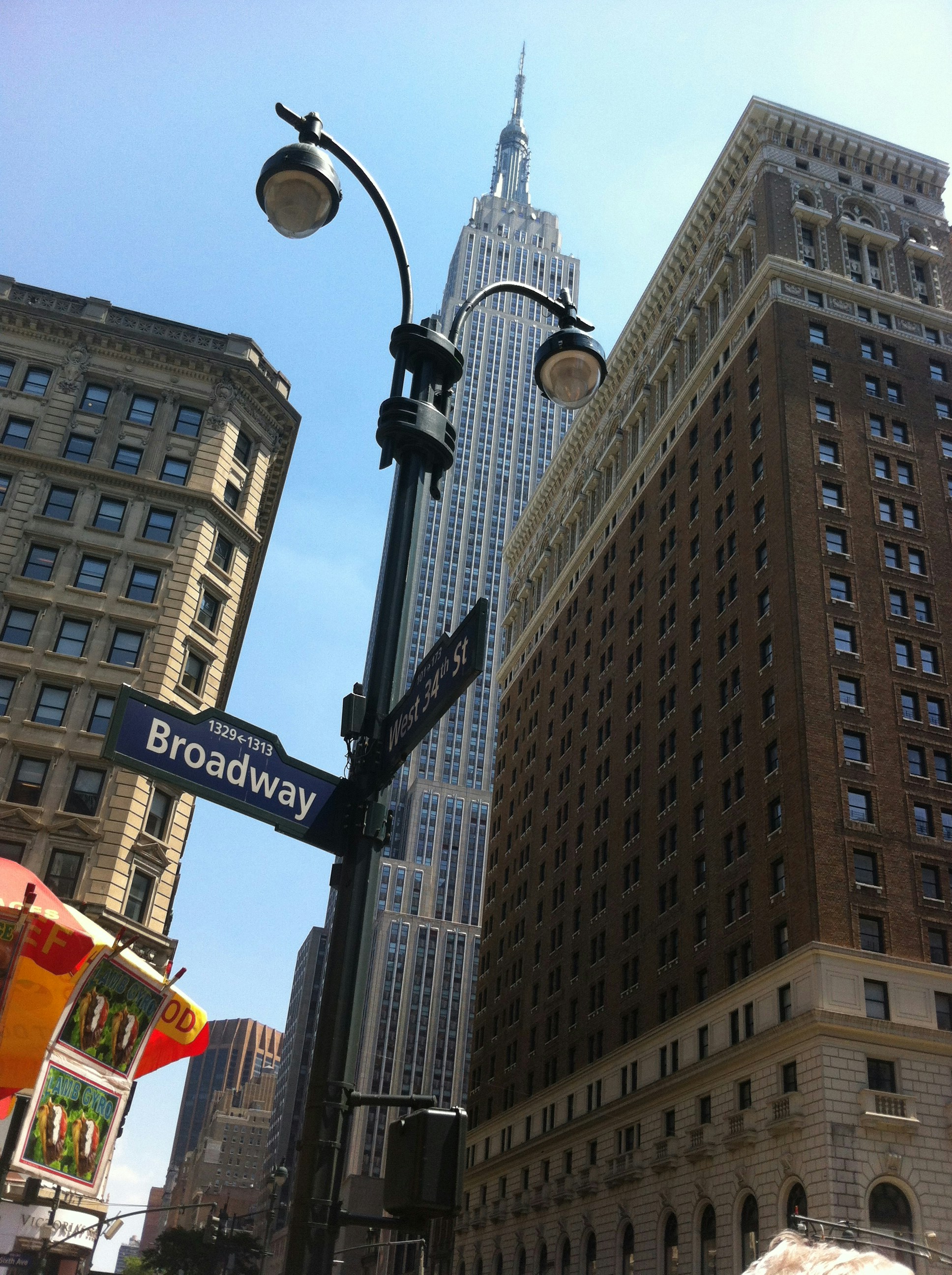
Introduction to New York City’s Origins
New York City, a sprawling metropolis known for its iconic skyline and vibrant cultural scene, has a rich and complex history that traces back to its origins as a modest trading post. Founded in the early 17th century, New York City, originally named New Amsterdam, emerged when Dutch explorers established a settlement on the southern tip of Manhattan Island. This strategic location, nestled at the confluence of the Hudson River and the Atlantic Ocean, made it an ideal site for trade and commerce, allowing the settlement to thrive rapidly.
As the city developed, it transformed from a small outpost into a vital economic center. Its port became a crucial gateway for goods and immigrants, linking Europe with the Americas. By the mid-18th century, New York City had evolved into one of the largest cities in the Thirteen Colonies, characterized by a diverse population that included a mix of Dutch, English, African, and various European immigrants, each contributing to the city’s unique cultural tapestry.
The British captured New Amsterdam in 1664, renaming it New York in honor of the Duke of York. This transition marked a significant shift in governance and further integrated the settlement into the British Empire. Over the next century, New York City continued to grow in stature and importance, establishing itself as a focal point of political and economic life in colonial America. The foundations laid during this formative period would later propel New York into its role as a leading global city, renowned for its cultural institutions, financial markets, and unrivaled diversity.
As we delve deeper into the fascinating history of New York City’s formation, it becomes evident how a small trading post transformed into a dynamic urban hub, illustrating the city’s evolution through various historical phases and the influences that shaped its development into one of the world’s most influential cities.
Indigenous Peoples and Early Settlement
The region that would become New York City is rich in history, particularly concerning its Indigenous peoples. The Lenape tribe, among the most prominent Native American groups in this area, inhabited the land long before European contact. Their territory, known as Lenapehoking, encompassed what is now New York City, northern New Jersey, and parts of Pennsylvania and Delaware. The Lenape were a semi-nomadic people who relied on a combination of agriculture, fishing, and hunting for sustenance. They cultivated crops such as maize, beans, and squash, which played a crucial role in their diet and culture.
The lifestyle of the Lenape involved seasonal migrations to access food resources, with winter settlements often located near rivers and coastal areas to facilitate fishing. Their social structure was organized around small, matrilineal clans, emphasizing community and cooperation. The Lenape also engaged in trade with neighboring tribes, exchanging goods such as tools, furs, and pottery. Spirituality was deeply integrated into their daily lives, with beliefs centered around nature, animals, and ancestral spirits.
The Dutch Era: New Amsterdam
The establishment of New Amsterdam in 1624 marked a significant chapter in the history of what would eventually become New York City. Founded by the Dutch West India Company, the colony emerged as a crucial trade hub due to its strategic location along the Hudson River, facilitating access to both local and international markets. The early settlers were drawn not only from the Netherlands but also from various regions of Europe and Africa, contributing to a rich tapestry of cultures and ethnicities within the community.
This diverse immigrant population played a vital role in shaping the social and economic fabric of New Amsterdam. The colony thrived on maritime trade and became a center for the fur industry, importing and exporting goods that were integral to the economic vitality of the region. The presence of a heterogeneous population fostered an environment of tolerance and cooperation, but it also led to tensions and conflicts, especially concerning land disputes with the indigenous peoples of the area.
The political structure of New Amsterdam was relatively progressive for its time. The colony was governed by a council that included representatives from various ethnic groups, reflecting its diverse nature. This inclusivity enabled a certain level of civic engagement, albeit limited for women and enslaved individuals. Moreover, the Dutch emphasis on free enterprise encouraged entrepreneurship, leading to the establishment of various businesses, shops, and taverns that characterized urban life.
Transition to English Control
The mid-17th century marked a significant turning point in the history of New York City, primarily due to the transition from Dutch to English control. The Dutch originally established the settlement of New Amsterdam in 1624, which served as a pivotal trading post for the Dutch West India Company. However, by the mid-1600s, tensions were escalating between the Dutch and the English, driven partly by competition for trade and territorial expansion in North America. These international dynamics set the stage for an eventual military confrontation.
In 1664, the English fleet, under the command of Colonel Richard Nicolls, captured New Amsterdam without bloodshed. The Dutch, unprepared for military resistance, surrendered the city, thus marking the end of Dutch colonial rule in this strategically important location. This change of control had far-reaching implications for the city’s governance, as the English instituted a new administrative framework that dismantled the Dutch systems in place. English law replaced Dutch legal traditions, significantly altering the civic structure and the rights of the city’s inhabitants.
Moreover, this transition heralded a shift in language and culture within the settlement. As English became the official language, the linguistic landscape of New Amsterdam transformed, gradually replacing Dutch with English as the primary mode of communication. The implications of this transition extended beyond governance and language; it was pivotal for the future development of the city. The English began to encourage increased immigration from various parts of Europe, contributing to a more diverse and multicultural population which plays a crucial role in the city’s identity today. This period laid the foundation for what would eventually evolve into one of the world’s most dynamic urban centers.
New York City in the 18th Century
The 18th century marked a pivotal era in the development of New York City, transforming it from a modest settlement into a bustling urban center. This transformation was significantly influenced by key historical events, including the American Revolution. By the mid-1700s, New York had established itself as a vital port and commercial hub, attracting a diverse population and fostering economic growth. The city’s strategic location made it a linchpin in transatlantic trade, further accelerating its development.
As the British colonists began to express discontent towards British rule, tensions heightened within the city. New York City became a focal point for revolutionary activities, as its inhabitants engaged in protests and organized resistance. The Stamp Act of 1765, for instance, triggered significant outrage, resulting in the formation of groups such as the Sons of Liberty. These groups played a crucial role in rallying support for independence, demonstrating the city’s evolving political landscape.
With the outbreak of the American Revolution in 1775, New York City became a battleground for conflicting sentiments. The city’s population was deeply divided, with loyalists and patriots often clashing. In 1783, following the conclusion of the war, New York was established as the first capital of the newly formed United States, a designation that underscored its growing importance. This momentous occasion led to a rush of political activity in the city, as leaders convened to shape the nascent nation’s governance.
Throughout the century, urban development began to accelerate, with new infrastructure projects emerging to accommodate the increasing populace. The population soared from approximately 5,000 residents in 1700 to over 33,000 by 1800, a testament to the city’s burgeoning significance as an economic and political epicenter. This period laid the groundwork for New York City’s future as a major metropolitan area, shaping its unique character and identity in the years to come.
Industrial Revolution and Urbanization
The Industrial Revolution represented a pivotal era in the transformation of New York City from a relatively modest settlement into a bustling urban center. Beginning in the late 18th century and continuing into the 19th century, this period was marked by substantial advancements in technology and manufacturing processes. These developments not only redefined industries but also attracted a significant influx of immigrants seeking employment opportunities. The city’s population grew rapidly as waves of newcomers from Europe arrived, filled with aspirations for a better life.
As the demand for labor increased, neighborhoods began to develop around factories and transportation hubs. The construction of the Erie Canal in 1825, for instance, facilitated trade and the movement of goods, linking the Great Lakes to the Atlantic Ocean. Such infrastructure projects not only strengthened the city’s economy but also encouraged further immigration, fostering a diverse tapestry of communities reflective of various ethnic backgrounds. Irish, German, Italian, and later Eastern European immigrants contributed to the cultural fabric of New York City, each bringing unique customs and influences.
The emergence of an industrial economy was characterized by significant growth in sectors such as textiles, metallurgy, and transportation. Factories proliferated, and the city became a center of commerce and trade, with ports bustling with activity. The urban landscape evolved rapidly during this time, leading to the construction of tenements to house the increasing population. Although this rapid urbanization presented challenges, including overcrowding and inadequate sanitation, it also laid the foundation for future improvements in city planning and infrastructure.
Overall, the Industrial Revolution acted as a catalyst for the development of New York City into a major metropolis. The diverse communities formed during this time, combined with the city’s evolution into an economic powerhouse, created a dynamic setting that would continue to flourish in the years to come.
20th Century Challenges and Changes
The 20th century was a pivotal era for New York City, characterized by significant challenges and transformative changes that shaped the metropolis we know today. One of the most daunting events was the Great Depression, which began in 1929 and lasted through the 1930s. The economic turmoil devastated many sectors, leading to high unemployment rates and widespread poverty. In response, the city implemented various relief programs, which included public works initiatives that provided jobs and stimulated economic activity. This period of hardship also helped to solidify New York City’s role as a center of innovation and resilience, as individuals and organizations banded together to support one another.
World War II presented another set of challenges, yet it also served as a catalyst for change. The war effort required vast resources and manpower, leading to an economic revival in New York City. The manufacturing sector expanded rapidly, and many industries adapted to meet the demands of the military. The influx of workers from across the country and the world transformed the city’s demographics, contributing to its rich tapestry of cultures. Additionally, the end of the war marked a significant change in social attitudes, setting the stage for the Civil Rights Movement.
The Civil Rights Movement of the 1960s found a strong foothold in New York City, where numerous activists and organizations sought to challenge racial segregation and discrimination. The demand for equality and social justice resonated deeply within the city, leading to pivotal events, including protests and rallies. These movements not only highlighted the ongoing struggles for civil rights but also underscored New York City’s inherent multiculturalism. In navigating these peaks and valleys, New York City has exhibited an impressive ability to adapt, persistently evolving in the face of adversity while strengthening its identity as a global urban center.
The Rise of New York as a Global City
In the late 20th century, New York City experienced a transformation that solidified its status as a global metropolis. This period saw marked changes in demographic composition, economic structures, and cultural significance that collectively contributed to the city’s emergence as a central hub for international business and cultural exchange. The influx of immigrants from diverse backgrounds not only enriched the city’s cultural tapestry but also played a crucial role in its economic revitalization, making it a melting pot of ideas and traditions.
Financially, New York City blossomed into the world’s leading financial center. The establishment of Wall Street as a nexus for investment and commerce drew in businesses and individuals from around the globe. The city became synonymous with capitalism, embodying the ideals of opportunity and innovation. Institutions such as the New York Stock Exchange and various multinational corporations were pivotal in attracting talent and investment, solidifying NYC’s place in both American and global economies.
Beyond finance, New York City’s creative industries began to flourish significantly. The arts, entertainment, and fashion sectors expanded, contributing to the evolution of the city’s identity. Media conglomerates, theater productions on Broadway, and the influence of renowned fashion designers further cemented NYC’s reputation as a cultural capital. These industries showcased the city as a platform for global creativity and innovation, drawing attention from every corner of the world.
As an influential player in global affairs, New York City became the host of the United Nations headquarters, reflecting its diplomatic significance. This role as a host city amplified NYC’s influence, providing a space for dialogue on international issues, and establishing it as a vital location for global governance. Consequently, New York’s multifaceted identity has transformed it into a symbol of modern existence, representing both the challenges and opportunities of a rapidly globalizing world.
Conclusion: The Legacy of New York City’s Formation
The history of New York City’s formation is a compelling narrative characterized by rich cultural influences, significant historical events, and transformative social dynamics. From its inception as a modest trading post established by the Dutch in the early 17th century to its emergence as a bustling metropolis, the city has always been a microcosm of broader social change and development. The amalgamation of diverse immigrant groups has played a crucial role in shaping New York’s unique identity, contributing to a cultural tapestry that is celebrated globally.
Throughout its history, New York City has been a beacon of opportunity, attracting individuals seeking better lives and brighter prospects. This influx of residents has resulted in a melting pot of traditions, languages, and artistic expressions, creating an environment that fosters innovation and creativity. The city’s ability to adapt and grow amid various challenges, including economic downturns and social upheavals, underscores its resilience and enduring appeal.
Furthermore, the legacy of New York City’s formation extends beyond mere demographics; it has significant implications for the contemporary cultural and societal landscape. The ideals of democracy, freedom, and diversity that permeate the city’s history continue to resonate, influencing not only local policies but also international perceptions of urban life. Today, the city’s landmarks and neighborhoods serve as reminders of its storied past, while also representing its ongoing evolution.
In conclusion, the fascinating history of New York City’s formation has profoundly influenced its identity and character. As society continues to evolve, the impact of this diverse past remains evident in the city’s vibrant culture, making New York a constant source of inspiration for both residents and visitors alike. The interplay between history and modernity ensures that New York City will continue to thrive, embodying the spirit of resilience and dynamism that define urban life.