
Overview of the Current Political Climate in Chicago
As of December 10, 2025, the political climate in Chicago is marked by a complex set of challenges that reflect broader national trends. Mayor Brandon Johnson, who assumed office with a mandate for progressive change, is currently navigating a contentious landscape defined by budgetary constraints, social issues, and diverging interests within the city council. The ongoing budget deadlock illustrates not only the financial hurdles faced by the administration but also the ideological rifts that impede consensus among elected officials.
The Chicago City Council, comprising a diverse array of factions ranging from progressive to moderate, has exhibited significant discord as members grapple with competing priorities. This situation has impeded the timely passage of crucial budget proposals, leading to widespread criticisms from residents who depend on essential public services. The inability to reach an agreement on the budget is exacerbated by heightened political tensions, which are fueled by divergent views on taxation, public spending, and resource allocation.
Citizens of Chicago have increasingly expressed frustration with the city’s political turmoil, often perceiving it as a failure of leadership at both the mayoral and council levels. Numerous community forums and social media channels reflect public sentiment that the lack of decisive action impacts the quality of life in various neighborhoods. Issues such as public safety, education funding, and investment in infrastructure highlight the stakes involved in the ongoing budget negotiations. In this context, the ability for Mayor Johnson and city council members to forge a path forward is critical, not only for the immediate future of Chicago’s governance but also for the broader perception of effective leadership within urban politics.
Highlights from the Recent City Council Meeting
During the recent city council meeting chaired by Mayor Brandon Johnson, significant discussions were held regarding the contentious budgetary matters faced by the city of Chicago. Council members expressed varying opinions on the proposed financial allocations for the upcoming fiscal year. One of the salient points of contention was the allocation of funds for public safety versus community services, which has sparked a divide among council members. Mayor Johnson stated, “We must balance our financial priorities to ensure both public safety and the well-being of our communities.”
Another critical point of discussion involved the anticipated projected deficits in the city’s budget. Some council members advocated for drastic spending cuts to address these deficits, while others argued for a more measured approach that would avoid detrimental impacts on essential services. For instance, Councilmember Sarah Smith expressed her concern, stating, “If we cut too deep, we will see the immediate effects in neighborhoods that rely heavily on city services.” This sentiment reflects a broader apprehension among various council members about the repercussions budgetary decisions may have on constituents.
The meeting also highlighted disagreements over revenue generation strategies. Some council members proposed increasing taxes or introducing new fees, while others firmly opposed these measures, believing they could further burden Chicago residents. Council Member John Doe stated, “We cannot continue asking our citizens to bear more financial burdens without addressing the root causes of our fiscal challenges.” This perspective underscores the complexities surrounding the city’s financial situation and the diverse solutions being considered.
As discussions progressed, the city council’s positions remained polarized, contributing to the existing deadlock regarding the budgeting process. The continuation of these debates points to the broader implications of the city’s political landscape, as Mayor Johnson navigates the intricate dynamics within the council.
The Threat of a Government Shutdown: What It Means for Chicago
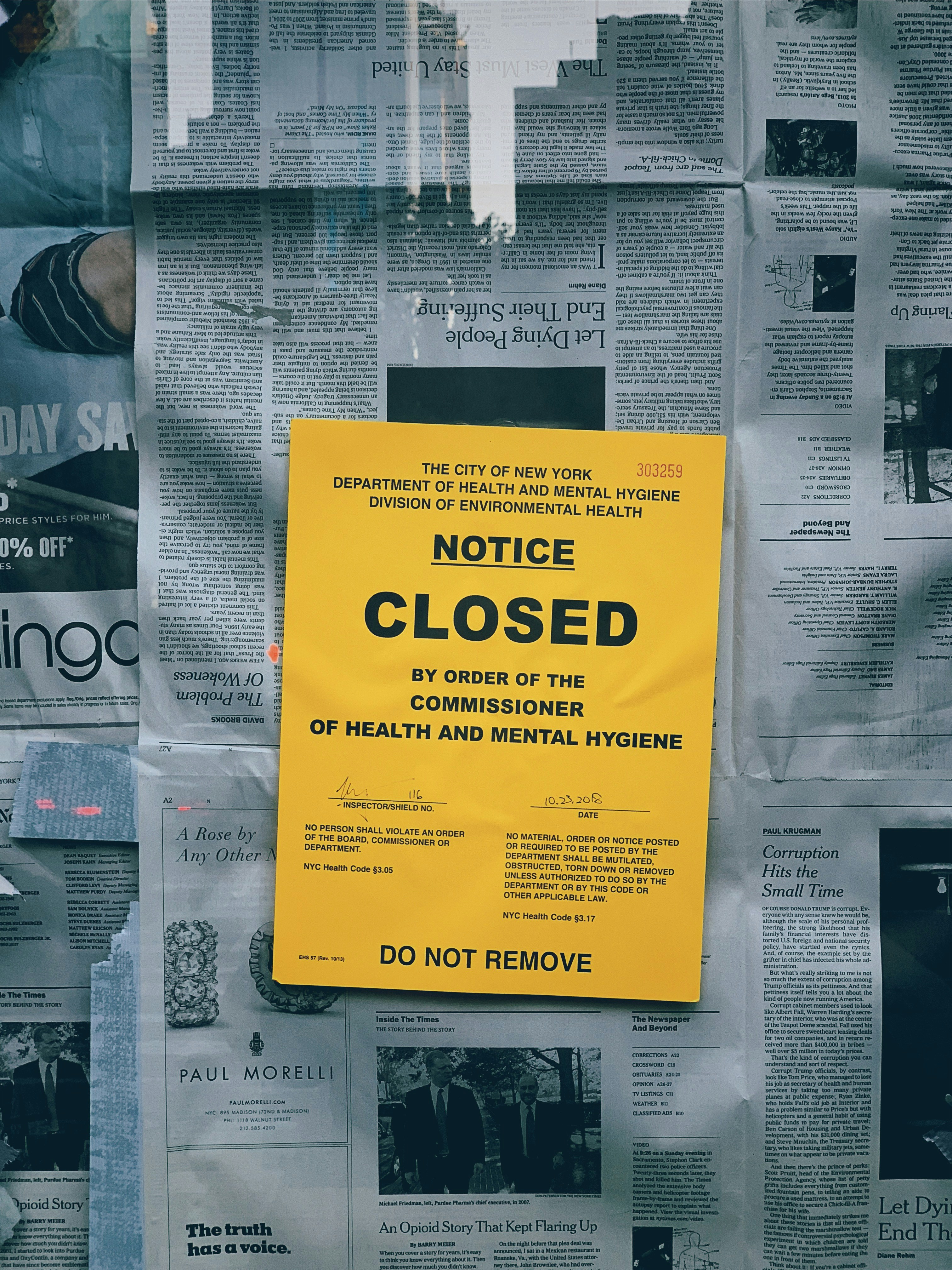
The prospect of a government shutdown represents a significant challenge for Chicago, particularly in light of the ongoing budget deadlock highlighted by Mayor Brandon Johnson. A government shutdown occurs when federal or state funding is not authorized, leading to a temporary closure of government operations. This situation can result in far-reaching implications for municipal services and the city’s overall infrastructure.
Should a shutdown materialize, residents may experience the disruption of essential services such as waste collection, public transit, and emergency response. City employees may face furloughs, leading to a decrease in workforce morale and a further strain on those who remain on the job. Such a scenario could hinder public safety efforts, particularly during critical situations where prompt response is necessary.
Additionally, a shutdown may impact projects related to infrastructure development. Chicago’s roads, bridges, and public facilities are in need of maintenance and improvement, and a budget impasse could stall funding for these vital initiatives. Consequently, this would exacerbate existing issues around public safety and accessibility, indirectly affecting the city’s economy as businesses rely on efficient transport routes and services.
Examining past instances of government shutdowns in other major cities provides insights into potential outcomes. In instances like those experienced by New York City and Los Angeles, officials had to devise emergency plans to mitigate the impact of service interruptions. These included reallocating funds or employing alternative strategies to meet the immediate needs of citizens. Such measures, however, are often just stopgap solutions and do not address the underlying budgetary issues.
In light of these potential consequences, it is clear that resolving the budget deadlock is crucial. Without proactive measures to ensure funding continuity, Chicago could face a troublesome predicament that affects not just city operations but the lives of its residents as well.
Looking Ahead: Solutions and Next Steps
As Chicago navigates its current budget deadlock, a collaborative approach involving various stakeholders is crucial for determining actionable solutions. Mayor Brandon Johnson and the city council must consider compromises that cater to the diverse needs of the community while also aligning with fiscal realities. Dialogue between the mayor’s office and council members will be essential to strategize a feasible budget that addresses deficits and promotes essential services without overburdening taxpayers.
One way to foster cooperation is through the establishment of working groups composed of city officials, community activists, and financial experts. This diverse group can facilitate discussions on alternative revenue sources, such as grants and public-private partnerships, to bridge funding gaps. Additionally, examining expenditure efficiencies by conducting a thorough review of city operations may reveal cost-saving opportunities that could free up funds for critical initiatives.
The role of community stakeholders cannot be understated in this process. Engaging residents through town hall meetings or surveys ensures that their concerns and priorities are integrated into budgetary discussions, thus fostering transparency and trust. It is also important for city leaders to communicate upcoming meetings and deadlines to keep the public informed and involved. This will create an environment where citizens feel empowered to share their perspectives and contribute to the decision-making process.
As Chicago heads toward a pivotal moment in its governance, interviews with experts on municipal finance can shed light on sustainable practices and innovative solutions that other urban areas have successfully implemented. These insights may guide local leaders towards rational fiscal policies that not only stabilize the budget but promote long-term economic growth and social equity in the city.