
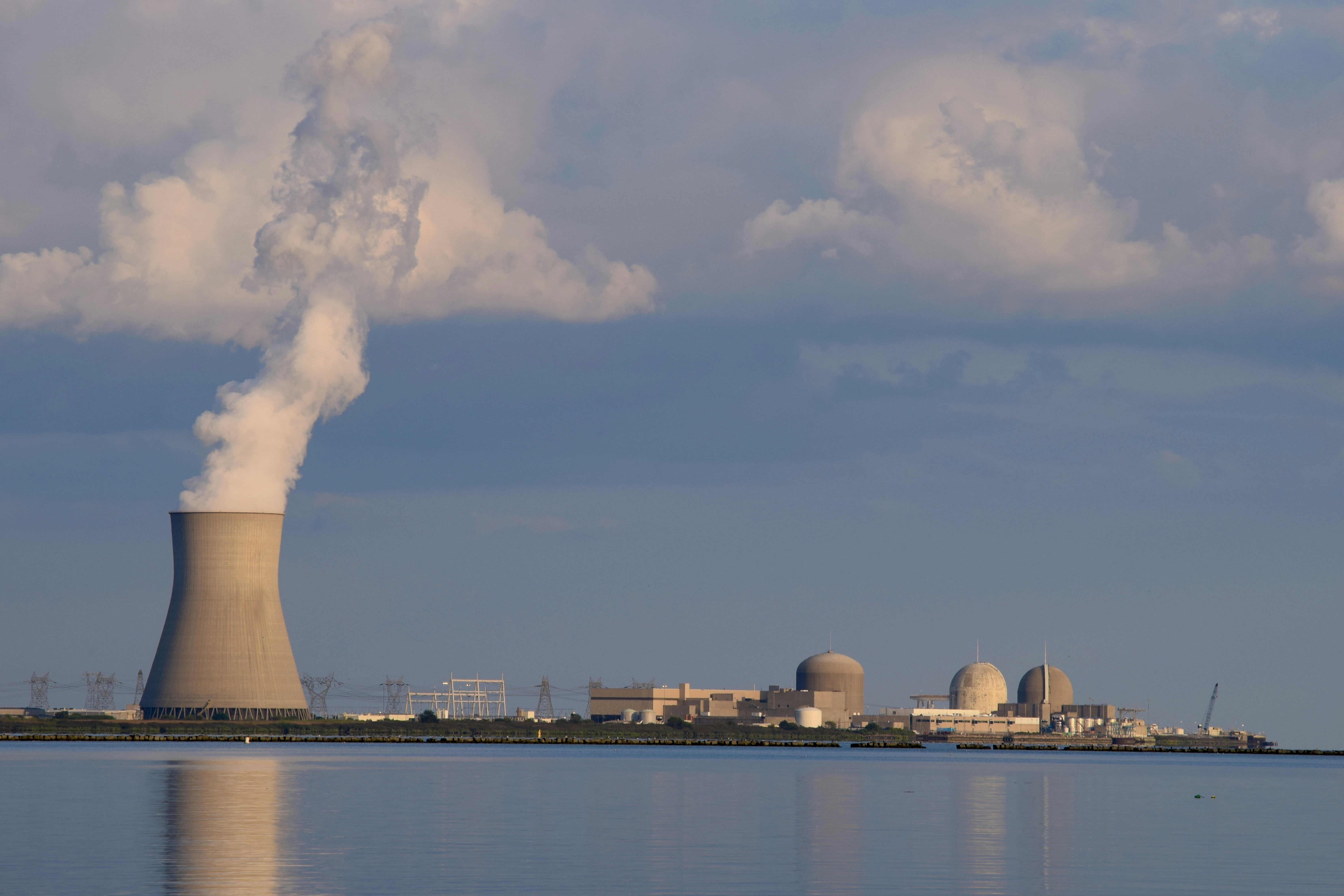
Introduction
The Swiss Federal Council’s recent report on nuclear energy offers a critical analysis of the operational lifespans of the Gö sgen and Leibstadt power plants, two pivotal facilities in Switzerland’s energy landscape. Both plants have been instrumental in providing reliable and low-carbon electricity for decades, and their potential extension of operational periods to 80 years marks a significant turn in the country’s nuclear energy policy. Historically, the Gö sgen and Leibstadt power plants have contributed substantially to Switzerland’s energy mix, ensuring energy security while reducing reliance on fossil fuels.
This foresight of extending their operational life raises several key discussions regarding safety, technological advancement, and economic viability. Nuclear technology has evolved considerably since the inception of these plants; advancements in safety protocols and reactor design have greatly improved the management of nuclear energy, making it a viable option even as it nears the end of its traditional lifespan. The Swiss Federal Council is tasked with thoroughly evaluating these dimensions to ensure that the benefits of extending the operational periods do not come at the expense of safety or environmental stewardship.
Public perception of nuclear power in Switzerland has been multifaceted, often oscillating between support due to its low carbon emissions and concerns regarding safety and waste management. The report indicates a concerted effort by the Swiss Federal Council to address these concerns transparently, emphasizing the importance of public engagement in the decision-making process regarding the future of nuclear energy in the country.
This introduction sets the stage for a broader discourse on the role of nuclear energy in Switzerland, considering the ongoing transitions in energy policy and the impact of the Gö sgen and Leibstadt power plants within that framework.
Background on Switzerland’s Nuclear Energy
Switzerland’s energy landscape has been significantly shaped by its reliance on nuclear energy, which currently accounts for approximately 30% of the country’s total electricity generation. This reliance is largely due to the operational efficiency and relatively low greenhouse gas emissions associated with nuclear power generation. Among Switzerland’s nuclear power plants, the Gö sgen and Leibstadt facilities play pivotal roles in supporting the national energy strategy by providing a stable and reliable source of electricity.
The Gö sgen power plant, commissioned in 1979, has a capacity of 1,040 megawatts and has operated safely for over four decades. This facility is particularly important because it serves not only the local canton of Aargau but also contributes significantly to the national electricity grid. Similarly, the Leibstadt power plant, which began commercial operations in 1984, boasts an output capacity of approximately 1,200 megawatts. Together, these plants have ensured that Switzerland is equipped with a consistent power supply, particularly during periods of high demand.
In light of Switzerland’s commitment to sustainability, nuclear power represents a critical component in the transition towards a low-carbon energy system. The innovative technology and safety protocols employed at both Gö sgen and Leibstadt align with Switzerland’s overall energy policy objectives, which prioritize environmental protection while ensuring energy security. The continued operation of these nuclear facilities is therefore seen as integral to achieving national goals surrounding energy independence and reduction in carbon emissions.
Moreover, as countries around the world grapple with the challenges of energy transition and climate change, Switzerland’s experience with nuclear energy, particularly through the successful operation of the Gö sgen and Leibstadt power plants, provides valuable insights into the potential for nuclear power as a sustainable energy solution.
Technical Feasibility of Extended Operation
The extension of the operational life of the Gösgen and Leibstadt nuclear power plants to 80 years has been a topic of considerable analysis and discussion among experts. Several technical aspects contribute to the feasibility of this extension, addressing safety, efficiency, and structural integrity. These considerations are paramount in ensuring the reliable operation of nuclear facilities over an extended lifespan.
One significant factor is the regular and rigorous safety assessments conducted on both Gösgen and Leibstadt plants. These assessments focus on the aging management of critical components, such as the reactor pressure vessels and containment structures. Modern technologies allow for advanced monitoring and inspection techniques, which can identify potential degradation issues early. By employing non-destructive testing methods, the integrity of materials used in construction can be preserved, supporting extended operation.
Additionally, technological advancements in nuclear reactor design have led to improvements in operational efficiency. Nuclear plants equipped with updated control systems and safety features can operate more effectively while minimizing risks. Furthermore, as mixed oxides (MOX) and other advanced fuel types are utilized, fuel efficiency enhances overall output, making the plants not only safer but also more productive throughout their extended operational phase.
The regulatory framework surrounding nuclear energy in Switzerland also supports the feasibility of an extended lifespan. The Swiss Federal Nuclear Safety Inspectorate (ENSI) provides guidelines and oversight, ensuring that any extensions are grounded in scientific evidence and comprehensive engineering assessments. This ongoing collaboration between operators and regulatory bodies fosters a culture of safety and reliability.
In summary, the combination of robust safety assessments, technological advancements, and regulatory support presents a strong case for the feasibility of extending the operational life of the Gösgen and Leibstadt nuclear power plants to 80 years. The ongoing commitment to these principles will be crucial for the future of nuclear energy in Switzerland.
The economic viability of the Gö sgen and Leibstadt nuclear power plants is a pressing consideration in the context of Switzerland’s energy policy. As these plants approach their 80-year anniversary, their long-term operation presents potential for significant financial benefits. These benefits are primarily rooted in the stability and predictability of nuclear energy prices compared to the volatility associated with fossil fuels and renewable energy sources. By maintaining operational efficiency, these facilities can provide a reliable supply of electricity, which is crucial for stabilizing energy costs in Switzerland.
Furthermore, as global energy markets transition towards lower carbon emissions, nuclear energy’s role becomes increasingly significant. The financial implications are multifaceted; nuclear plants have lower operational costs in the long run, particularly due to the reduction of greenhouse gas emissions that accompany their operation. This economic advantage aligns with Switzerland’s commitment to sustainable energy practices while potentially mitigating price fluctuations in the energy market.
In addition, the economic considerations extend to job creation and local investment. Long-term operation of these power plants ensures the continued employment of skilled labor and fosters local economic activity in the regions surrounding Gö sgen and Leibstadt. This relationship between nuclear energy plants and regional economies emphasizes the integral role of these facilities in promoting economic stability.
The maintenance and upgrading of these plants require substantial investment, but when considered against the backdrop of increasing energy demands and potential carbon taxes, the economic viability of their continued operation becomes clear. The effective management of these plants may serve as a model for other countries seeking to balance energy needs with environmental responsibilities.
Implications for National Energy Policy
The continuation of operations at Gö sgen and Leibstadt power plants carries significant implications for Switzerland’s national energy policy. These nuclear facilities play a critical role in the country’s energy mix, ensuring a stable and reliable supply of electricity while reducing dependence on fossil fuels. As Switzerland strives to achieve its climate goals and transition to a more sustainable energy future, the contribution of nuclear power becomes increasingly relevant.
Energy security is a primary consideration for any nation, and for Switzerland, the resilience and reliability of its electricity supply are paramount. The operation of Gö sgen and Leibstadt provides a consistent source of low-carbon energy, which is essential for maintaining grid stability, especially during periods of high demand or low renewable energy generation. By utilizing existing nuclear infrastructure, Switzerland can better navigate the complexities of energy supply fluctuations inherent in renewable sources such as wind and solar.
Moreover, the integration of nuclear power into the broader energy policy framework supports Switzerland’s commitment to reducing greenhouse gas emissions. The plants significantly decrease the need for fossil fuel-based energy sources, thus contributing to the reduction of carbon footprints across various sectors. As national and international climate agreements evolve, maintaining these nuclear facilities aligns with Switzerland’s goals to achieve net-zero emissions by 2050.
As discussions surrounding energy policy continue, the dialogue must address not only the benefits of extending the operational lifespan of Gö sgen and Leibstadt but also public perceptions and safety concerns related to nuclear energy. Engaging stakeholders in meaningful conversations will be essential for ensuring that the future of nuclear energy in Switzerland is understood, accepted, and aligned with national climate strategies. Ultimately, the role of these power plants in shaping energy policy cannot be overstated; they are key to achieving a sustainable and secure energy future for Switzerland.
Impact on Energy Supply Stability
The operational lifespan of nuclear power plants like Gö sgen and Leibstadt plays a critical role in ensuring energy supply stability in Switzerland. As periods of increasing electricity demand continue to develop, particularly with advancements in technology and a growing population, reliable energy sources become paramount. Nuclear energy, characterized by its ability to provide a continuous and substantial power output, stands as a cornerstone in addressing these demands.
Extending the operational capacity of both Gö sgen and Leibstadt contributes significantly to energy supply reliability. The dependable nature of nuclear power allows it to meet base-load energy requirements, which are essential for maintaining grid stability. Unlike renewable energy sources such as wind and solar, which can be intermittent and weather-dependent, nuclear energy can offer a consistent flow of electricity around the clock. This characteristic makes it an essential component in the energy mix as Switzerland transitions toward a more sustainable future.
Moreover, by extending the operational lifespan of these plants, Switzerland can mitigate potential risks associated with energy shortages during peak demand periods. The integration of renewable energy sources into the national grid can often create fluctuations that necessitate backup generation capacity. With Gö sgen and Leibstadt, the nation can maintain a robust safety net against such vulnerabilities, thus ensuring that electricity supply remains stable even during times of high demand.
In conclusion, the longevity of the Gö sgen and Leibstadt nuclear power plants is vital in enhancing energy supply stability in Switzerland. As the country’s energy landscape evolves, it is clear that nuclear energy will continue to play a significant role in meeting the nation’s electricity needs effectively and reliably.
Public Perception and Environmental Considerations
The public perception of nuclear energy in Switzerland is notably complex and multifaceted. While the Gö sgen and Leibstadt power plants have been integral to the country’s energy landscape for nearly 80 years, opinions vary significantly among different demographic and political groups. Surveys and polls consistently indicate that a sizable portion of the Swiss population harbors reservations about the safety and environmental impact of nuclear energy. Concerns primarily revolve around the potential risks associated with nuclear accidents, the long-term storage of radioactive waste, and the sustainability of nuclear as a energy source in the face of increasing environmental challenges.
Moreover, the discussion surrounding nuclear energy is increasingly intertwined with Switzerland’s commitments to reducing carbon emissions and enhancing sustainability. Proponents of nuclear power argue that it generates low greenhouse gas emissions during operation, making it an essential component of a balanced energy portfolio aimed at combating climate change. The Gö sgen and Leibstadt plants contribute significantly to this low-carbon energy mix, which is particularly critical as Switzerland aims to meet its energy and climate goals.
On the other hand, the opposition underscores the environmental ramifications of nuclear energy. The entire lifecycle of nuclear power, from uranium mining to waste disposal, poses considerable ecological questions. Critics assert that while operational emissions may be low, the potential hazards associated with radioactive waste management and the impacts on local ecosystems require thorough examination. Additionally, any environmental assessment must account for the implications of a nuclear accident, which, despite being rare, could have profound consequences. These factors contribute to an ongoing debate in Swiss society about whether to maintain the operational status of the Gö sgen and Leibstadt facilities or to phase out nuclear energy altogether in favor of renewable sources.
Future of Nuclear Energy in Switzerland
The future of nuclear energy in Switzerland holds significant promise, especially in light of advancements in nuclear technology and evolving energy policies. Although the country has maintained a robust nuclear infrastructure with the Gösgen and Leibstadt power plants, there are indications that the future will see continued innovation in this sector.
One of the most notable trends is the shift towards small modular reactors (SMRs). These reactors are designed to be safer, more efficient, and more flexible than traditional nuclear power plants. With the potential for deployment in smaller communities or regions that require less energy, SMRs could help Switzerland meet its energy needs while also reducing carbon emissions. The emphasis on safety and the ability to quickly scale operations makes SMRs an appealing option for the Swiss energy landscape.
Additionally, advancements in nuclear fusion technology could revolutionize how energy is produced. Unlike fission, which is currently used in nuclear plants, fusion promises to generate energy by replicating the processes of the sun, offering a virtually limitless source of power with minimal waste. While still largely in the experimental phase, the ongoing research efforts could pave the way for fusion to become a viable energy solution for Switzerland within the next few decades.
Switzerland’s energy policies are also evolving. The Swiss Federal Council has shown a commitment to maintaining a balanced energy mix, where nuclear energy continues to play a vital role alongside renewable sources. This integrated approach may not only enhance energy security but also contribute to achieving national climate goals.
In conclusion, the future of nuclear energy in Switzerland is likely to be characterized by innovative technologies and progressive policies. As the nation balances its energy needs with environmental responsibilities, nuclear energy will remain a critical component of the energy narrative, guiding the transition towards a sustainable future.
Conclusion
The significance of the Gö sgen and Leibstadt power plants in Switzerland underscores the country’s longstanding relationship with nuclear energy, spanning over eight decades. These facilities have not only contributed substantially to the nation’s energy production but have also played a pivotal role in shaping discussions around energy policy and sustainability. As Switzerland moves towards its climate goals, the adaptability and reliability of nuclear energy become increasingly relevant amid efforts to transition to cleaner forms of energy.
Throughout the years, the performance of nuclear power has demonstrated its capability to provide a stable, low-carbon energy source. The Gö sgen and Leibstadt plants have been indispensable in meeting the electricity demands of both residential and industrial sectors, while concurrently reducing greenhouse gas emissions in the region. In light of global climate change challenges, the necessity for energy sources that minimize environmental impact remains at the forefront of energy discussions.
As Switzerland continues to refine its energy strategy, the role of nuclear power is critical in the context of decarbonization and energy security. While advancements in renewable technologies are imperative, the contributions of nuclear energy cannot be overlooked. The balanced integration of nuclear power with renewable sources like solar and wind can provide a comprehensive approach to achieving energy independence and sustainability.
In conclusion, the future of nuclear energy in Switzerland is a complex yet promising landscape. With careful planning and robust regulatory frameworks, the legacy of the Gö sgen and Leibstadt power plants can serve as a foundation for a sustainable energy future. The ongoing dialogue about the viability and safety of nuclear power remains essential as Switzerland navigates its energy transition and strives for environmental stewardship.
You might also like:
- Former U.S. Navy Sailor Sentenced for Espionage Activities
- Navigating the Russian Stock Market: Trends, Challenges, and Opportunities
- Russian billionaire says drone attacks hold an affect on nitrogen fertiliser commerce
- Decoding Outlandish Claims: The Implications of Musk’s Remarks for OpenAI Investors
- Unexpected Laughter: Misunderstanding at the Grocery Store
