
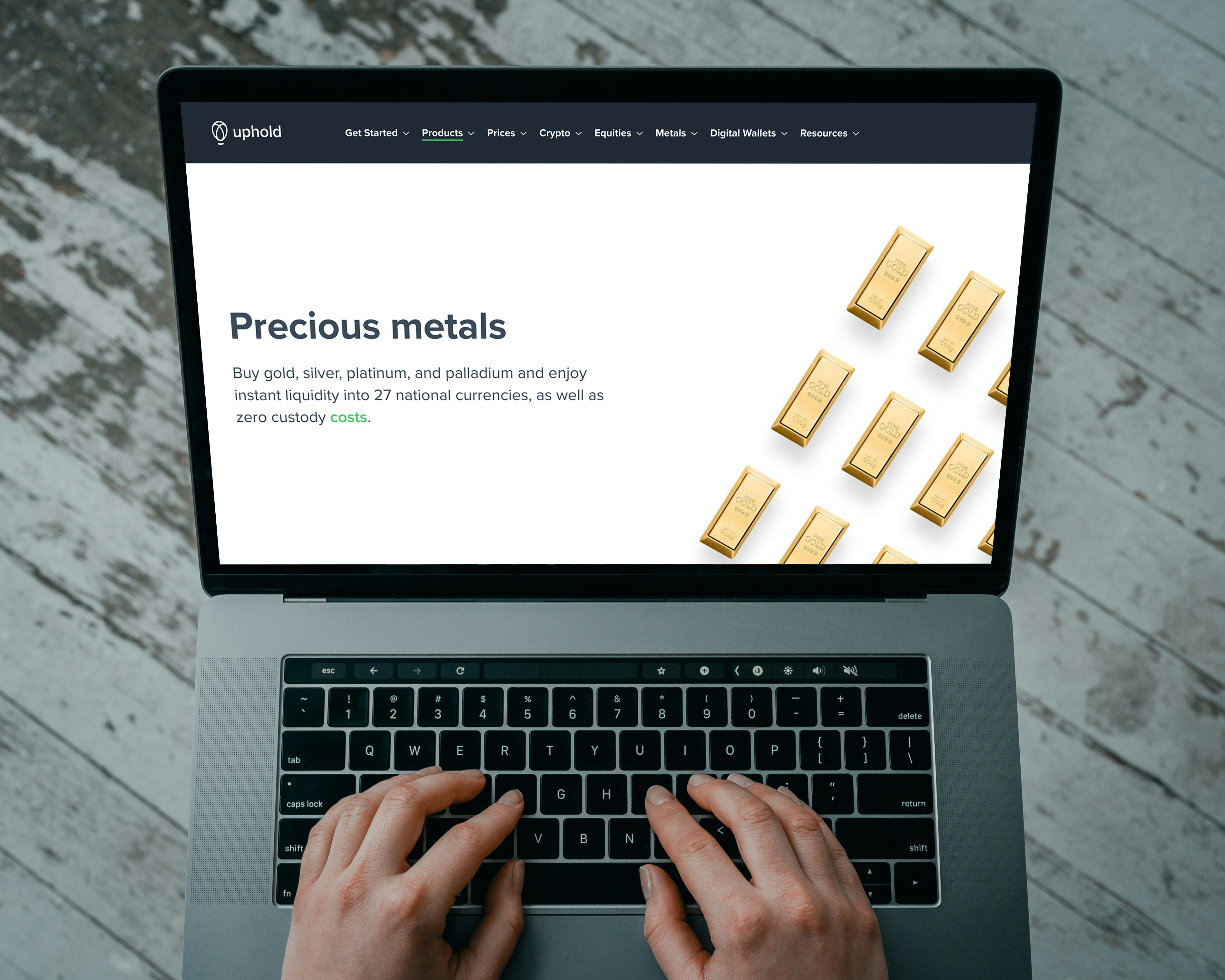
Introduction to the Precious Metals Market
The precious metals market has experienced considerable volatility and significant price movements in recent weeks. As of October 20, 2025, investors are keenly observing the fluctuating prices of gold, silver, platinum, and palladium, each of which has shown a notable increase in trading levels. These movements can be attributed to various economic indicators, geopolitical tensions, and shifts in investor sentiment, all of which have contributed to an evolving landscape for precious metals.
Gold has maintained its status as a safe-haven asset, continuing to attract investment during periods of uncertainty. Recent economic data, such as inflation rates and employment statistics, have played a crucial role in influencing gold prices. The demand for gold is also driven by central banks that strategically accumulate the metal as a hedge against currency fluctuations and global economic instability. As a result, gold prices have remained robust, hovering near historical highs.
Silver, often viewed as a more volatile counterpart to gold, has also garnered attention due to its industrial applications and investment appeal. Recent market trends indicate that silver prices are aligning with broader economic recovery, which in turn boosts its demand across various sectors. Investors should closely monitor the interplay between industrial demand and speculative investment in silver, as these factors can significantly impact pricing.
On the other hand, platinum and palladium have shown dynamic price movements as well, largely driven by their essential roles in the automotive industry, particularly in catalytic converters. The transition towards electric vehicles and sustainable energy solutions has generated uncertainty regarding future demand; however, ongoing supply constraints due to mining challenges persist, thereby affecting the prices of these metals.
Overall, the precious metals market remains a focal point for various investors, reflecting the inherent complexities and opportunities presented by gold, silver, platinum, and palladium as of October 20, 2025.
Gold: Current Trends and Price Analysis
The precious metal gold continues to exhibit significant price fluctuations, with current trading figures hovering between $4,245 and $4,250 per ounce. This price range reflects a landscape characterized by volatility, influenced by various economic factors and market sentiments. Recent weeks have observed gold prices experiencing notable peaks, further emphasizing its status as a safe-haven asset amidst global uncertainty.
Several analysts have weighed in on the recent price movements, outlining contrasting perspectives regarding the future of gold. Some experts assert that geopolitical tensions and inflationary pressures are likely to propel gold prices higher, projecting potential surges beyond the current range. They argue that increasing investment in gold as a hedge against economic instability will solidify its position and drive prices up in the coming months.
Conversely, a contingent of analysts maintains a cautious outlook, suggesting that the current price stability might be fleeting. They highlight the potential for a shift in central bank policies and interest rates that could dampen gold’s appeal. If inflationary concerns diminish, or if economic recovery gains traction, it could lead to a decline in gold investments, subsequently affecting its market price.
Moreover, external factors such as currency fluctuations and overall market trends continue to play a crucial role in shaping investor sentiment towards gold. As the dollar strengthens, the comparative pricing of gold may fluctuate, impacting purchasing decisions among investors. Ultimately, although the current price of gold showcases resilience, the factors influencing its dynamics are multifaceted, requiring keen insights to anticipate forthcoming trends in this precious metal market.
Factors Influencing Gold Prices
The gold market operates under the influence of various factors that can significantly affect gold prices. As a safe-haven asset, gold tends to attract investor interest during periods of economic uncertainty. Economic indicators, such as inflation rates, interest rates, and geopolitical tensions, play a crucial role in shaping market dynamics. For instance, when inflation rises, the purchasing power of currency diminishes, prompting investors to allocate a portion of their portfolio into gold, which is seen as a hedge against inflation. Conversely, when interest rates increase, the opportunity cost of holding non-yielding gold rises, which can lead to a decrease in demand for the metal.
Investor behavior is another critical element in understanding gold price fluctuations. Market sentiment often drives buying and selling trends. For example, in times of market corrections, where stock valuations adjust sharply, investment in gold typically increases as individuals seek stability. Many analysts interpret current price adjustments in gold as a potential opportunity, suggesting that recent declines may encourage long-term investors to acquire positions at favorable prices. The volatility of the market often leads to speculation, which can either bolster or undermine investor confidence.
Additionally, external events—such as changes in government policy, trade relations, and technological advancements in mining—also influence the gold market. These elements can create an environment ripe for recovery and growth in gold prices. As analysts monitor both macroeconomic conditions and sentiment analysis, they increasingly advise caution but also highlight the opportunity to invest in gold during price corrections. Understanding these factors is essential for anyone looking to navigate the complexities of the precious metals market effectively.
Silver: Price Movement and Market Insights
As of October 2025, the silver market has exhibited notable price fluctuations, reflecting broader economic conditions and investor sentiment. Currently, the price of silver hovers around the $30 per ounce mark, having seen a significant upward trend in recent months. This increase can be attributed to various factors, including heightened demand for industrial applications and a growing interest from retail investors seeking safe-haven assets amid economic uncertainty. Additionally, geopolitical tensions and fluctuating currency values have contributed to silver’s appeal as a reliable investment.
One key indicator for silver investors is the gold/silver ratio, which provides insights into the relative value of these two precious metals. Historically, this ratio has ranged from 30 to over 100, with averages fluctuating based on market conditions. Presently, the gold/silver ratio stands at approximately 80, suggesting that silver remains comparatively undervalued in relation to gold. This may indicate potential for future price increases as investors reevaluate their portfolios and seek exposure to silver, particularly if gold prices remain stable or increase.
Moreover, analysts suggest that the current market environment favors a bullish outlook for silver. As industrial demand continues to rise, driven by trends in renewable energy and technology, the potential for silver prices to break through previous resistance levels appears promising. Moreover, central banks’ policies and the broader macroeconomic landscape will likely play a crucial role in shaping price movements moving forward. With expected volatility in the commodities sector, market participants should remain vigilant, as changes in investor sentiment could rapidly alter the dynamics of the silver market in the coming months.
Technical Forecast for Silver Prices
The silver market, recently characterized by notable fluctuations, is poised for potential movements in the upcoming week. Analyzing historical data and current market conditions presents a clearer picture of where silver prices may head. Within this context, traders and investors should monitor key support levels that could influence price trends. The first significant support level to consider is around $22 per ounce. This threshold has previously demonstrated resilience against downward price movements, making it a focal point for market participants.
Charts indicate a possible reversal pattern that could emerge if prices approach this support level. If silver prices break below $22, a further decline towards $20 may occur, potentially triggering a wave of selling pressure. On the other hand, sustaining prices above this level could pave the way for a rebound towards $24, a resistance level that silver has struggled to surpass in recent weeks. This resistance point remains critical, as achieving and maintaining momentum above it could signify a bullish trend moving forward.
Moreover, the Relative Strength Index (RSI) currently reflects a moderate position, indicating that silver might be approaching overbought conditions. As such, traders should evaluate the possibility of a price correction should selling pressure arise. Furthermore, the Moving Average Convergence Divergence (MACD) presents a concise view of the momentum shift, with upward crossover indications suggesting a buying opportunity if prices stabilize. Overall, while the silver market shows potential for upward movement, key support and resistance levels along with ongoing momentum indicators will play a critical role in shaping price movements over the coming week.
Platinum: A Market on the Rise
The platinum market has experienced significant upward momentum, marking an encouraging trend in recent months. As of October 2025, the price of platinum stands at approximately $1,755 per ounce. This notable increase has been attributed to various factors, primarily concerning supply disruptions from major producers, particularly South Africa, which is home to the majority of the world’s platinum reserves.
One of the key drivers behind this price surge is the ongoing supply constraints arising from labor strikes and geopolitical issues within South Africa. These disruptions have hindered mining operations, leading to a decrease in the overall production of platinum. Furthermore, the COVID-19 pandemic has continued to impact the mining industry, complicating recovery efforts and limiting output capacity. As market participants anticipate further reductions in supply, the demand for platinum as an industrial metal has steadily increased, particularly in the automotive sector, where it is used in catalytic converters to reduce harmful emissions.
In addition to supply challenges, the investment landscape for platinum is also evolving. An increased interest in sustainable investing has drawn attention to platinum’s greener application in hydrogen fuel cells, which are considered a key technology in the transition towards cleaner energy sources. This growing demand offers potential for price appreciation, further stimulating interest among investors looking to diversify their portfolios.
The combination of constrained supply and rising demand reflects a market on the rise. Investors and stakeholders within the precious metals domain remain vigilant as they navigate the dynamics influencing platinum’s future. Understanding these trends will be essential for making informed decisions in the evolving platinum market landscape.
Supply and Demand Dynamics for Platinum
The dynamics of supply and demand in the platinum market have historically been complex, influenced by a variety of factors including industrial usage, investment trends, and geopolitical events. Currently, the market is facing an anticipated supply deficit, a phenomenon driven by declining mine output and rising demand across several sectors, notably the automotive and jewelry industries. Platinum, renowned for its catalytic properties, is increasingly in demand for use in catalytic converters as automotive manufacturers shift toward cleaner technologies to meet stringent emissions regulations.
Production challenges have been exacerbated by geopolitical factors, including labor disruptions and regulatory changes in key platinum-producing nations such as South Africa and Russia. These disruptions are hindering mining operations, leading to a reduction in the available supply of platinum. In addition, aging infrastructure and the depletion of existing mines contribute to the challenges in meeting growing demand. As a result, the expected supply deficit is anticipated to impact platinum prices significantly. Analysts forecast that as the gap between supply and demand widens, prices will likely rise, attracting further investment into the sector.
Long-term trends in production costs will also play a critical role in influencing future platinum prices. With the costs of extraction increasing due to deeper mining operations and stricter environmental regulations, the economic feasibility of platinum production could be affected. Mining companies may react to higher costs by either reducing output or raising prices, which could contribute to further market volatility. Understanding these supply and demand dynamics is essential for investors and stakeholders who wish to navigate the intricacies of the platinum market effectively. With the current developments leading to a prospective supply deficit, watching how these factors evolve will be crucial in predicting future pricing trends in platinum.
Palladium: Market Position and Future Outlook
Palladium remains a vital player in the precious metals market, with its current price hovering around $1,449 per ounce as of October 20, 2025. This metal has garnered considerable attention due to its unique properties and applications, particularly in the automotive industry. Palladium is predominantly used in catalytic converters, which are essential in reducing harmful emissions from vehicles. As the global push towards stricter environmental regulations continues, the demand for palladium is expected to remain robust, thereby influencing its market positioning among other precious metals.
In the broader context of precious metals, palladium has historically been viewed alongside gold and silver, but its role has become increasingly specialized. Unlike gold, which serves as a traditional safe haven asset, palladium’s price is more closely tied to industrial demand rather than investor sentiment. This distinction plays a significant role in its price fluctuations. Over recent years, palladium has often outperformed other precious metals in terms of price growth, primarily due to supply constraints and increasing demand from the automotive sector as manufacturers shift to cleaner technologies.
Conclusion: Navigating the Precious Metals Landscape
The precious metals market plays a pivotal role in the global economy, influenced by various factors including economic stability, geopolitical tensions, and investor sentiment. As of October 20, 2025, market conditions reflect an evolving landscape, characterized by increased interest in sustainable investments and a renewed focus on hedging against inflation. Recent trends indicate that investors are paying closer attention to the intricacies of the market, which has been marked by fluctuations in gold, silver, platinum, and palladium prices.
Amid these dynamics, it is crucial for investors to conduct thorough analyses of market trends and economic indicators. The precious metals sector often serves as a safe haven, especially during periods of financial uncertainty or heightened volatility. In light of recent performance, it is advisable for investors to consider diversifying their portfolios to include various precious metals that may offer unique benefits and lower correlation during market downturns.
Moreover, technological advancements in mining and refinements in recycling processes have begun to alter the supply side of the precious metals market, facilitating improved access and lower production costs. This shift could provide opportunities for savvy investors to capitalize on emerging trends, especially in green technologies that utilize metals in sustainable ways.
As investors contemplate potential entry points, they must stay informed and agile, ready to adjust their strategies based on the latest market data. The key takeaway is that while the precious metals market possesses inherent risks, it also offers a variety of opportunities for those willing to navigate its complexities. In closing, a strategic approach combined with ongoing education will be essential for anyone looking to thrive in this continually evolving landscape.
You might also like:
- Personalizing Search: Alphabet’s New Strategy
- Implications of SEC’s Criminal Complaint Against Villar Land Holdings Corp.
- With Viktor Orban Gone, Hungary Lifts Veto For EU To Approve $106B Ukraine Loan
- Future: 10 Amazing Breakthroughs
- Timothée Chalamet’s Exciting New Film Role in Kylie Jenner’s Life
