
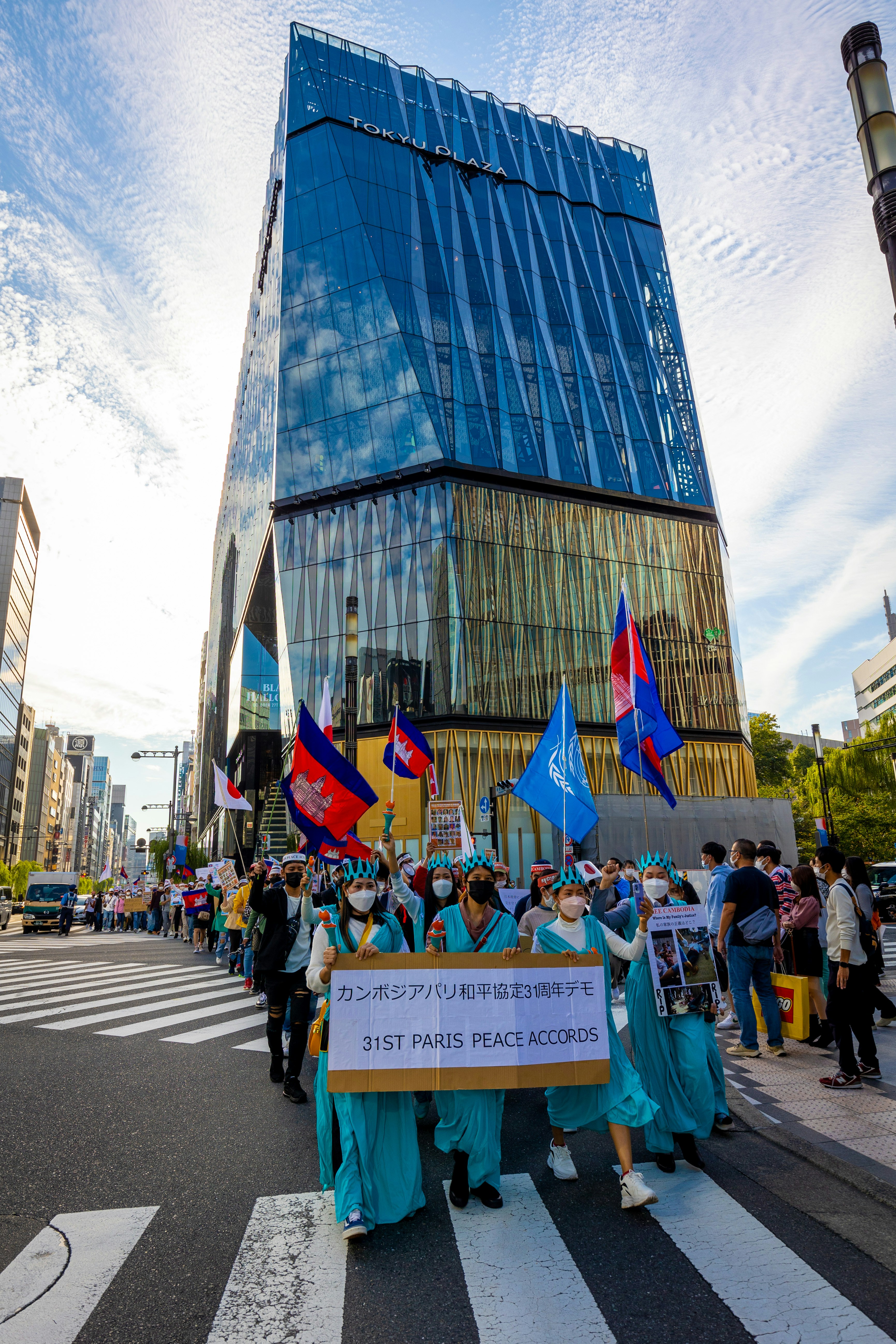
Background of the Thailand-Cambodia Dispute
The longstanding border dispute between Thailand and Cambodia has significant historical roots, dating back several centuries. At the heart of this contention lies the demarcation of boundaries surrounding areas rich in cultural and natural resources, notably the region surrounding the Preah Vihear Temple. This UNESCO World Heritage site has been a focal point of territorial claims, as both nations perceive it as an integral part of their historical and national identity.
Throughout history, the borders in Southeast Asia have often been ill-defined, particularly during the colonial era when European powers drew lines without regard to the ethnic and cultural compositions of the local populations. In the case of Thailand and Cambodia, the 1907 Franco-Siamese Treaty established many of the current boundaries, although both nations have revisited these agreements in light of evolving national sentiments. Disputes intensified in the 1950s, particularly with various territories surrounding Preah Vihear, leading to occasional flare-ups and skirmishes.
Some of the most notable confrontations include the military clashes that occurred in 2008 and 2011, which resulted in significant casualties and destruction. These events underscored the fragility of the ceasefire agreements previously established. In recent years, efforts by both countries to resolve their differences through diplomatic channels have faced challenges, exacerbated by nationalistic sentiments and domestic political pressures within each nation.
Additionally, incidents involving illegal encroachments and resource exploitation have further strained relations, drawing international attention to the situation. Various ASEAN initiatives aimed at fostering peace and stability in the region continue to grapple with the deep-seated grievances inherent in the Thailand-Cambodia border dispute, making it a complex issue that requires careful consideration and sustained effort to achieve lasting resolution.
The Current Conflict: Fighting and Ceasefire Efforts
The border conflict between Thailand and Cambodia, which escalated significantly on December 13, 2025, has witnessed several distressing developments in recent months. The incidents of violence have resulted in a heightened military presence in the disputed areas, with both nations suffering casualties. Skirmishes involving artillery exchanges and small arms fire have been reported regularly, drawing global attention and concern.
In response to the escalating tensions, President Donald Trump played a pivotal role in facilitating dialogue between both governments. His administration encouraged an initial ceasefire agreement aimed at reducing hostilities and fostering discussions regarding territorial claims. This diplomatic effort, however, faced challenges as both sides struggled to maintain the cessation of violence. The ceasefire, while intended to provide a framework for negotiations, was undermined by renewed military engagements that occurred within days of its inception.
Recent reports indicate that Cambodia has accused Thailand of violating the ceasefire terms, alleging that Thai troops have conducted operations in areas that are claimed by Cambodia. These accusations have fueled sentiments of mistrust between the two nations and complicated the already fragile diplomatic relations. As each side calls for accountability from the other, the prospect of effective negotiation seems increasingly dim.
International responses to the conflict have varied, with neighboring countries expressing concern over the potential for wider regional instability. The involvement of external mediators, encouraged by international organizations, is considered crucial to restore peace and ensure adherence to any future agreements. Nonetheless, the complexities of nationalism, territorial integrity, and historical grievances remain significant obstacles that threaten to derail negotiation efforts. The situation in the Thailand-Cambodia border area remains a critical point of concern, necessitating continued international attention and support for peaceful resolutions.
Political Ramifications in Thailand
The escalating border tensions between Thailand and Cambodia have significantly influenced the internal political landscape in Thailand. Prime Minister’s recent announcement regarding the dissolution of parliament amid intensifying hostilities marks a pivotal moment for the current administration. This decision appears to be a strategic response to growing public discontent and dissatisfaction with the government’s handling of the border crisis. It is essential to consider how this maneuver will affect the ruling party’s stability and effectiveness in managing ongoing disputes.
As the situation at the border continues to deteriorate, the opposition parties have seized the opportunity to criticize the government’s crisis management. There is an increasing sentiment among the populace that the administration prioritizes political maneuvering over resolving the pressing tensions with Cambodia. This criticism may lead to a decline in public confidence in the governing party, potentially impacting their performance in any forthcoming elections.
The dissolution of parliament could prompt a rapid shift in political dynamics, as new elections may provide an avenue for a change in political leadership. In the face of mounting discontent, voters may gravitate towards opposition candidates who promise a different approach to national governance and foreign relations. The implications of this situation extend beyond the immediate border dispute, prompting questions about the long-term stability of Thailand’s political framework amid external conflicts.
Moreover, this politically charged environment creates an atmosphere ripe for further polarization within Thai society. As citizens express their frustrations, the government’s ability to address not only the border issue but also societal concerns could determine its future viability. The coming months will be crucial for the ruling administration as it navigates these turbulent waters, balancing the internal pressures of public opinion with the complexities of international relations.
International Reactions and Future Outlook
The international community has closely monitored the escalating tensions between Thailand and Cambodia, with various nations and organizations expressing their concerns regarding regional stability. Neighboring countries in Southeast Asia, particularly those within the Association of Southeast Asian Nations (ASEAN), have voiced calls for restraint and dialogue, emphasizing the importance of maintaining peace in the region. ASEAN’s collective approach often aims to facilitate discussions, prioritizing diplomatic solutions over militaristic responses. Such interventions are crucial, especially given the historical complexities surrounding disputes in the region.
Global powers have also weighed in on the situation, with the United States and China showing particular interest in how the conflict may impact regional security dynamics. The U.S. has reiterated its support for peaceful resolutions and called on both nations to engage in constructive dialogue, reflecting its broader commitment to a stable Indo-Pacific. Meanwhile, China, while advocating for mutual respect and dialogue, has strategic interests in both countries that could complicate its stance, raising concerns among regional observers regarding its intentions.
Looking ahead, several potential scenarios could unfold. On one hand, there is hope for renewed ceasefire negotiations, spurred by international diplomatic pressures that could lead to a more stable border situation. Alternatively, lingering tensions may escalate into military confrontations, particularly if nationalistic sentiments rise among the populations of Thailand and Cambodia, driven by historical grievances. Diplomatic interventions by superpowers could also play a pivotal role in shaping the future of this conflict, either as mediators promoting peace or as rivals seeking influence in the region. Ultimately, how the Thailand-Cambodia border dispute evolves may significantly influence bilateral relations and broader regional stability in Southeast Asia.