
Introduction to Litecoin
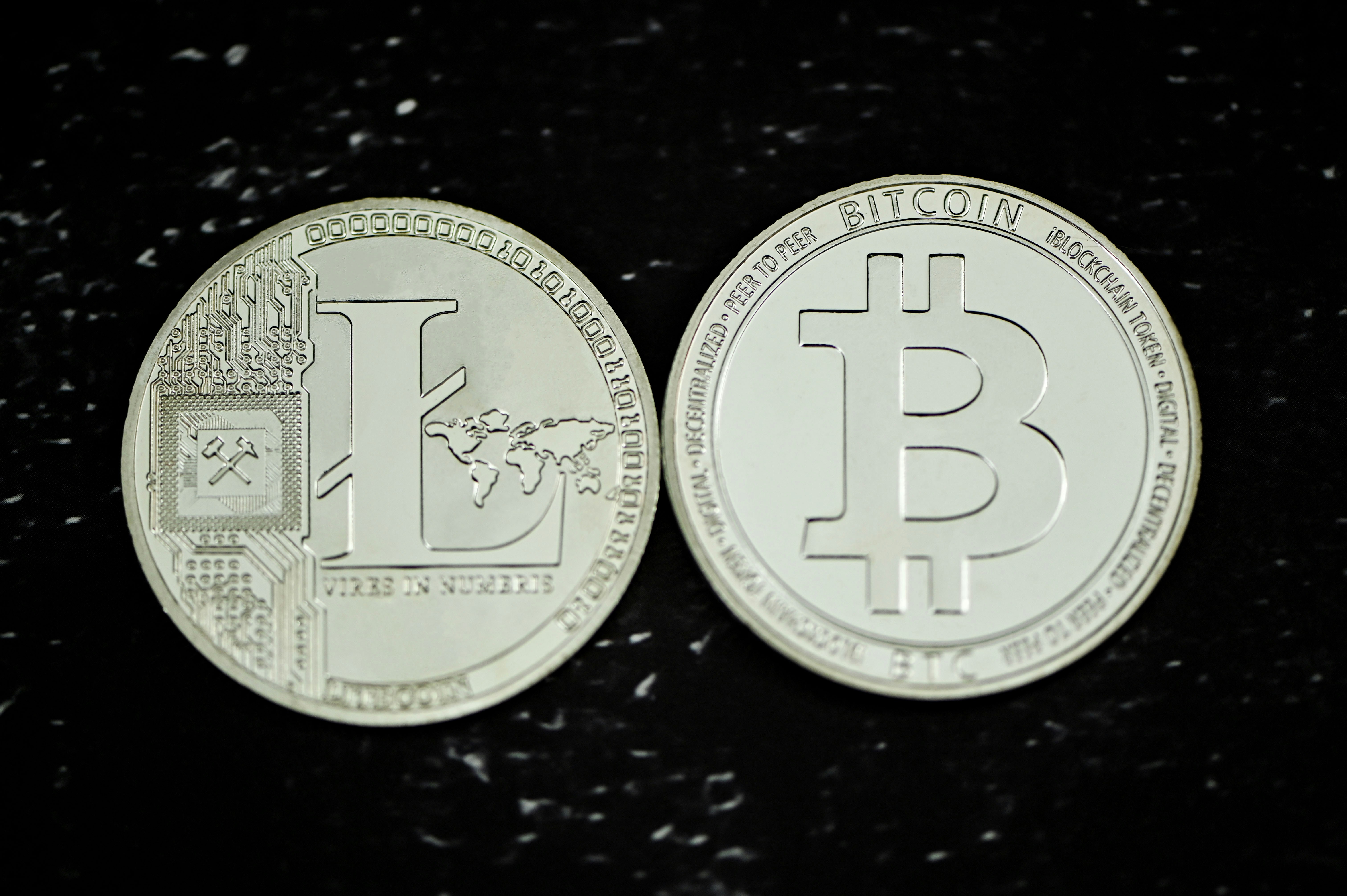
Litecoin (LTC) is a cryptocurrency that was created by Charlie Lee in 2011. Often referred to as the ‘silver’ to Bitcoin’s ‘gold,’ Litecoin was designed to serve as a more accessible and efficient means of conducting digital transactions. The primary goal of Litecoin’s development was to address some of the limitations that Bitcoin faced, such as transaction speed and scalability. As a result, Litecoin uses a different hashing algorithm known as Scrypt, allowing for faster block generation times and, in turn, quicker transaction confirmations compared to Bitcoin.
The inception of Litecoin was marked by its aim to be a ‘lighter’ version of Bitcoin, offering enhanced features that appeal to a broad spectrum of cryptocurrency users. One of the notable distinctions between the two cryptocurrencies lies in their supply limits—Litecoin has a capped supply of 84 million coins, in contrast to Bitcoin’s 21 million. This higher limit was intended to maintain a stable level of liquidity, potentially making Litecoin more conducive to daily transactions.
Litecoin has matured since its launch and has established itself as a reliable choice among the various altcoins in circulation today. Its adoption by merchants and exchanges has grown significantly, positioning it as one of the top cryptocurrencies in terms of market capitalization. This relevance contributes to its appeal among investors and traders alike, as it maintains a robust presence in the cryptocurrency market. The ongoing developments within the Litecoin network, such as the implementation of the Lightning Network, further enhance its potential use cases and efficiency, fostering continued interest in its performance and price dynamics.
Current Market Price of Litecoin (October 20, 2025)
As of October 20, 2025, the price of Litecoin (LTC) is recorded at approximately $93.33. This value reflects a notable fluctuation in the cryptocurrency market, which has been subject to various economic factors influencing investor confidence and market sentiment. Over the past few weeks, Litecoin has experienced a mix of volatility and stability, leading to cautious behaviors among traders and enthusiasts alike.
In comparison to previous days, the current price indicates a slight increase from earlier figures that hovered around the $90 mark. This uptick can be attributed to several factors, including increased adoption rates, enhancements in technology, and an overall bullish trend in the larger crypto market. Investors have observed that the recent announcements regarding Litecoin’s upgrade strategies have contributed positively to its market perception.
Looking back at the past month, Litecoin has seen significant price actions with multiple peaks and troughs. For instance, the beginning of October showed Litecoin trading at approximately $85, which indicates steady growth over this period. However, this price action has not been devoid of challenges; fluctuations resulting from external factors, such as regulatory news and macroeconomic trends, have played a substantial role in its daily pricing dynamics.
Analyzing the trading volume, it is evident that investor interest remains robust, signaling a healthy market response. Market analysts suggest that this current price level could act as a pivotal point for Litecoin, as traders are watching closely for potential breakout patterns. Such conditions may pave the way for Litecoin to reach new heights, depending on continued investor sentiment and market developments.
Factors Influencing Litecoin’s Price
The price of Litecoin (LTC) is influenced by a multitude of factors that encompass market dynamics and external conditions. One of the primary elements is market demand. As more traders and investors become interested in Litecoin, the increased demand can lead to upward price movements. Conversely, if market interest diminishes, the price may suffer. Market demand is heavily tied to the overall market sentiment regarding cryptocurrencies. Generally, favorable sentiment across the crypto landscape contributes positively to Litecoin’s price, while negative sentiments, such as fears of regulatory crackdowns or market manipulation, can lead to declines.
Investor sentiment plays a critical role as well. Market participant emotions, whether optimistic or pessimistic, shape the trading decisions made regarding Litecoin. Positive news or trends in the broader cryptocurrency market often lead to heightened interest in Litecoin, causing its price to surge. Furthermore, social media and online discussions can amplify these sentiments, as many investors follow trends and hype when it comes to cryptocurrencies.
Regulatory news is another crucial factor that cannot be overlooked. Regulatory changes can create uncertainty in the market. For example, news regarding stricter regulations or potential prohibitions can lead to tragic price declines as investors react to perceived heightened risks. Conversely, favorable regulatory developments, such as official recognitions or adoption by financial institutions, can result in price appreciation.
Technological advancements also contribute significantly to Litecoin’s price. Innovations that enhance scalability, security, or overall functionality can instigate interest from both retail and institutional investors. The ability of Litecoin to adapt to emerging technological demands can strengthen its market position and subsequently influence its price positively. Understanding these factors provides essential insights into Litecoin’s pricing dynamics, fostering better-informed investment decisions.
Historical Price Trends of Litecoin
Litecoin (LTC), created by Charlie Lee in 2011, has experienced significant price fluctuations over its history, driven by various market dynamics and external events. Initially, Litecoin began trading at merely a few dollars, gaining attention as one of the first altcoins, designed to facilitate faster transactions compared to Bitcoin.
During the cryptocurrency boom of 2017, Litecoin saw an unprecedented surge in its price—soaring to an all-time high of approximately $360 in December of that year. This spike can be attributed to a general market euphoria surrounding cryptocurrencies, coupled with Litecoin’s adoption as a “silver” counterpart to Bitcoin’s “gold.” The increased interest from retail investors and media coverage propelled prices higher during this period.
However, the subsequent decline in 2018, as the crypto market underwent a significant correction, saw Litecoin’s value plummet to around $30. This downturn highlighted the volatility inherent in the cryptocurrency market, yet Litecoin continued to develop its technology, implementing important upgrades such as the Mimblewimble extension proposal to enhance privacy features.
In the years that followed, Litecoin’s price remained relatively reactive to the broader trends in the cryptocurrency landscape. Periods of stagnation were often punctuated by upward rallies, particularly during Bitcoin’s bullish trends. For instance, a surge in mid-2021 witnessed prices reaching about $300 again, before retreating. More recently, in a market characterized by economic uncertainties and changing regulations, Litecoin has traded in a range, with the current price around $93.33 as of October 2025.
This historical context delineates Litecoin’s resilience and adaptability in a fluctuating market. By examining key price movements and the factors influencing them, one can better understand the present valuation of Litecoin and its potential trajectory in the evolving cryptocurrency landscape.
Comparison with Other Cryptocurrencies
In evaluating the current standing of Litecoin (LTC) as of October 20, 2025, it is crucial to compare its performance and price dynamics with those of other prominent cryptocurrencies, such as Bitcoin (BTC) and Ethereum (ETH). This comparison serves not only to assess Litecoin’s market position but also to elucidate its relative strengths and weaknesses within the rapidly evolving crypto landscape.
Bitcoin, often referred to as the flagship of cryptocurrencies, continues to dominate the market with a substantial market capitalization that consistently outweighs Litecoin. As of the latest data, Bitcoin’s price fluctuations remain more pronounced due to its status as a digital gold, serving as a store of value and an investment vehicle for numerous institutional investors. In contrast, Litecoin’s price movements tend to stabilize at lower levels, showcasing its role as a practical transaction medium rather than as a speculative asset.
Similarly, Ethereum, recognized for its extensive functionalities beyond mere transactions—especially through smart contracts—presents another benchmark for comparison. Ethereum’s innovations have propelled its market capitalization to significant heights. While Litecoin has introduced features like the Lightning Network to enhance transaction speed and reduce fees, it still trails behind Ethereum in terms of technological advancement and ecosystem development. Furthermore, the emergence of various Ethereum-based applications has played a pivotal role in driving ETH’s growth, whereas Litecoin’s development has primarily focused on maintaining its core functions.
Additionally, smaller cryptocurrencies, like Cardano (ADA) and Solana (SOL), have gained traction, challenging both Bitcoin and Ethereum’s supremacy. These competitors have sought to capitalize on niche applications and scalable solutions, leading to pronounced increases in their market value. In this dynamic environment, Litecoin’s adaptability and its established stature will be integral to its ability to retain relevance and competitiveness in the crypto market.
Technical Analysis of Litecoin
In the realm of cryptocurrency trading, a thorough technical analysis of Litecoin (LTC) is imperative for making informed decisions. As of October 20, 2025, LTC’s price movements can be scrutinized through various chart patterns and indicators commonly utilized by traders. Currently, Litecoin is experiencing significant volatility, characterized by its adherence to both support and resistance levels.
The primary support level for LTC is identified around $60, where buyers have historically re-entered the market, presenting a chance for price rebounds. Conversely, the resistance level is observed near the $80 mark, where selling pressure tends to increase, leading to potential downturns. By examining these key levels, traders can strategically position their entries and exits, optimizing profit potential and mitigating risks.
Chart patterns also play an integral role in forecasting future price movements for Litecoin. Notably, the formation of ascending triangles may indicate bullish conditions while descending triangles serve as a warning of potential bearish trends. The recognition of such patterns assists traders in predicting breakouts, which are critical for portfolio adjustments.
Moreover, traders often refer to technical indicators to reinforce their analysis. The Relative Strength Index (RSI), for instance, offers insights into whether Litecoin is overbought or oversold. An RSI reading above 70 may signal that LTC is overbought, suggesting a possible correction. Meanwhile, a reading below 30 could indicate that it is oversold, leading to potential price recovery. Additionally, moving averages can provide valuable signals regarding price trends, with the crossing of different averages indicating potential entry or exit points.
In conclusion, a comprehensive technical analysis of Litecoin integrates support and resistance levels, chart patterns, and key indicators. This multifaceted approach enables traders to navigate the complexities of the cryptocurrency market effectively, maximizing opportunities and minimizing risk as they adapt to ever-changing price movements.
Investor Sentiment and Community Reaction
As the cryptocurrency market continues to evolve, investor sentiment remains a critical factor influencing the price dynamics of Litecoin (LTC). Currently, the sentiment surrounding Litecoin appears to be cautiously optimistic, reflecting a blend of intrigue and apprehension among market participants. Social media platforms such as Twitter and Reddit are buzzing with discussions about the potential for Litecoin to regain its prior highs, and many users express a palpable sense of hope driven by recent developments and market trends.
Analysis of social media trends reveals that a significant portion of the community is focusing on Litecoin’s technological advancements, particularly its scalability and transaction speed. These attributes position Litecoin favorably compared to other cryptocurrencies in terms of usability for everyday transactions. As investors share insights and analyses on forums, the majority sentiment leans toward a bullish outlook, with many anticipating positive price movements in the upcoming months.
Furthermore, various surveys conducted within the community show a trend indicating that investors are increasingly adopting a long-term perspective. The growing acceptance of LTC as a viable crypto asset for institutional investors is also contributing to an uplift in community confidence. Many claim that this institutional interest could catalyze further price appreciation, translating into a more robust market performance.
Despite the overall positive sentiment, it is essential to note that a degree of caution persists within some circles. Market volatility, regulatory changes, and macroeconomic factors instill a sense of wariness among certain investors. As such, discussions around risk mitigation, diversified portfolios, and strategic trading positions are becoming increasingly common in community forums.
In summary, the current sentiment around Litecoin is reflective of a community that is balancing optimism with prudence, demonstrating both enthusiasm for potential gains and awareness of existing market risks.
Future Predictions and Market Outlook for Litecoin
The future of Litecoin (LTC) remains a topic of considerable interest among investors and market analysts. Given its established position as one of the premier cryptocurrencies, various indicators and expert opinions suggest several potential scenarios for its price trajectory in the upcoming months and years. Analysts have frequently cited factors such as market sentiment, technological advancements, and macroeconomic conditions as critical influences on Litecoin’s performance.
One potential scenario is that Litecoin could experience price appreciation, driven by an increase in acceptance and usage of cryptocurrencies in mainstream finance. As large institutions continue to explore blockchain technology and more investors look to diversify their portfolios, Litecoin could see a rising demand, consequently driving its price higher. Historical trends indicate that periods of increased institutional adoption have often correlated with significant gains for established cryptocurrencies like Litecoin.
Moreover, market analysts point to the Litecoin network’s periodic halving events, which reduce the reward for mining by 50%. These events traditionally lead to supply constraints that may influence price positively. The next halving is projected to occur in 2027, and historical data suggests that significant price rallies have followed previous halvings in both Litecoin and Bitcoin.
Conversely, not all predictions are bullish. Some analysts caution about market volatility and regulatory challenges that could impede Litecoin’s growth. Regulatory environments are continuously evolving, and adverse regulations could pose risks for all cryptocurrencies, including Litecoin. Furthermore, competition from newer cryptocurrencies that offer enhanced features or faster transactions may also present challenges.
In summary, while the outlook for Litecoin appears promising with increased adoption and periodic supply reductions potentially driving prices up, investors should remain vigilant of market volatility and external regulatory factors that could impact its future performance. The combination of these elements will ultimately shape Litecoin’s market dynamics in the coming years.
Conclusion
In conclusion, the analysis of Litecoin (LTC) on October 20, 2025, reveals critical insights surrounding its current price of $93.33. This valuation positions Litecoin as a significant player in the cryptocurrency market, drawing attention from both investors and traders. The stability exhibited in Litecoin’s price, alongside its historical performance, underlines its potential as a reliable digital asset.
Investors should consider the factors influencing Litecoin’s price, including market sentiment, technological advancements, and macroeconomic trends. The cryptocurrency’s resilient nature in the face of market fluctuations may indicate a growing acceptance and utility, which is essential for sustained growth. Moreover, as Litecoin continues to explore new applications and partnerships, its relevance could enhance investor confidence and significantly impact its market standing.
Traders monitoring price trends should remain vigilant, as the $93.33 valuation may serve as a pivotal point for short-term trading strategies. Observing market patterns and understanding Litecoin’s behavior against other cryptocurrencies can offer valuable insights into potential trading opportunities. Overall, Litecoin represents a blend of historic reliability and progressive potential, thus making it a noteworthy asset in today’s cryptocurrency landscape.
Given the current dynamics and potential growth trajectories, Litecoin’s price will be of critical interest in the months ahead. As developments unfold, both seasoned investors and newcomers are likely to keep a close watch, considering its implications for their investment strategies. Understanding these factors will be crucial for making informed decisions in the ever-evolving cryptocurrency market.