
Market Overview
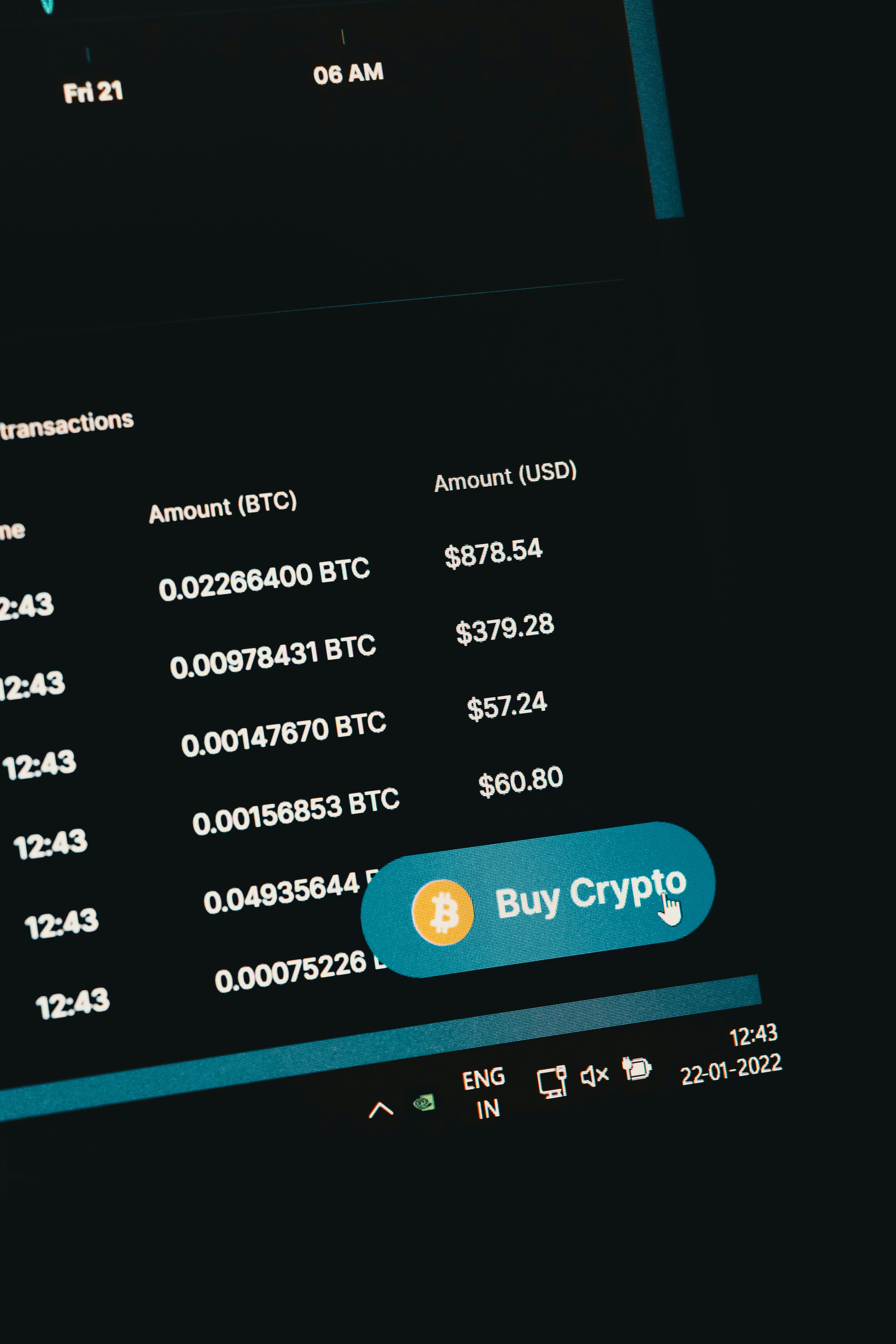
As of December 16, 2025, the cryptocurrency market continues to exhibit a fluctuating landscape, marked by both growth and volatility. The total market capitalization has reached approximately $2.5 trillion, reflecting a substantial increase compared to previous months, driven primarily by the resurgence in interest from institutional investors and retail participants alike. This shift has contributed to a diversified portfolio of digital assets and a robust trading environment.
In recent weeks, key market trends have emerged, indicating a moderate bullish sentiment with potential resistance levels being tested. Bitcoin (BTC), often regarded as the bellwether of the cryptocurrency market, is currently trading around $65,000, having experienced a 1.5% change in price over the last 24 hours. Meanwhile, Ethereum (ETH) is valued at approximately $4,500, reflecting a 2% increase during the same period. Such movements emphasize the slight volatility observed in this financial sphere, warranting close attention from both investors and analysts.
Notably, the ongoing adoption of decentralized finance (DeFi) and non-fungible tokens (NFTs) continues to stir interest within the community, further influencing price dynamics and trader behavior. Market participants are keenly observing potential regulatory developments, as they could significantly impact trading strategies and asset valuation. Additionally, the integration of blockchain technology across various sectors is fostering innovative solutions, thereby enhancing the overall credibility of cryptocurrencies.
In conclusion, the current state of the cryptocurrency market showcases a blend of stability and volatility. While Bitcoin and Ethereum represent significant indicators of market health, further developments within the broader financial ecosystem will inevitably play a crucial role in shaping future trends. Investors must remain vigilant, considering both the promising and unpredictable aspects of this revolutionary market as it progresses into the new year.
Major Institutional Developments
As of December 16, 2025, the cryptocurrency landscape has witnessed noteworthy developments from major institutions that are shaping the market dynamics. One of the most significant highlights is JPMorgan Chase’s entry into the tokenized finance arena with the launch of its first tokenized money market fund on the Ethereum blockchain. This strategic move marks the bank’s commitment to integrating blockchain technology into traditional finance operations, potentially transforming how institutional funds are managed. By leveraging Ethereum’s smart contract capabilities, JPMorgan aims to offer its clients enhanced liquidity and transparency, which could attract more capital into the cryptocurrency ecosystem.
Moreover, the implications of this tokenized money market fund extend beyond JPMorgan. It signals a growing acceptance and mainstreaming of cryptocurrency technologies among financial institutions. As more banks consider providing similar products, it could lead to increased market confidence and a surge in institutional adoption of digital assets. This development aligns with the broader trend of traditional financial institutions engaging with cryptocurrencies, which enhances their legitimacy in the eyes of both retail and institutional investors.
In addition to JPMorgan’s advancements, MicroStrategy’s continued investment in Bitcoin underscores a solid commitment to digital assets among institutional investors. The firm has been acquiring large amounts of Bitcoin, asserting its belief in the digital currency as a powerful asset for preserving capital. This unwavering strategy not only highlights MicroStrategy’s confidence in Bitcoin but also influences other entities to consider digital currency as an attractive diversification strategy. The firm’s actions may inspire new interest in Bitcoin as a store of value, further solidifying its role in institutional portfolios.
In summary, the recent developments from prominent institutions such as JPMorgan Chase and MicroStrategy reflect a pivotal moment in the cryptocurrency market. Their forays signify a broader trend of institutional engagement, with implications for market confidence and the future trajectory of digital assets.
ETFs and Investment Trends
Exchange Traded Funds (ETFs) have recently become a prominent vehicle for investment in the cryptocurrency market, attracting both traditional and institutional investors. As of December 16, 2025, the most notable trend is the significant net inflows and outflows associated with spot Bitcoin and Ethereum ETFs. During the past few months, there has been a surge in net inflows, particularly for Bitcoin ETFs, indicating an increasing confidence among investors in the market’s potential for growth. The revival of interest in Bitcoin appears to stem from a combination of factors, including favorable regulatory developments and broader acceptance of cryptocurrencies in mainstream financial systems.
Conversely, Ethereum ETFs have also experienced fluctuations regarding net inflows, showcasing a more cautious investor sentiment. While Ethereum’s performance remains strong, recent market conditions have led some investors to reassess their exposures to this asset class. The disparity between the two coins’ ETF trends might suggest different risk profiles and investor expectations, as Bitcoin continues to be viewed as a more stable store of value compared to Ethereum, which is often subject to more volatility.
The implications of these inflows and outflows are significant for the overall performance of the cryptocurrency market. Increased capital flowing into Bitcoin ETFs is expected to create upward pressure on prices, while volatility in Ethereum ETFs might introduce uncertainty among investors. Furthermore, the success of these ETFs could bolster the case for additional cryptocurrency products, potentially accelerating further innovations in the space.
Looking ahead, it is likely that investor sentiment will continue to shape ETF activity within the cryptocurrency sector. Should the positive momentum for Bitcoin persist, we may witness a corresponding increase in institutional participation. Additionally, as regulatory clarity improves, new products and funds may enter the market, catering to diverse investor needs and strategies.
Legal and Regulatory Landscape
The legal and regulatory landscape surrounding the cryptocurrency market continues to evolve, shaped by governmental actions and regulatory bodies globally. One noteworthy development is the warning issued by the deputy governor of the Reserve Bank of India, who has raised concerns regarding the potential risks posed by stablecoins to the overall economic framework. This statement underscores the need for enhanced scrutiny and regulatory oversight, as stablecoins are increasingly being integrated into the financial ecosystem, providing both benefits and challenges.
In a contrasting move, Pakistan has taken steps towards embracing cryptocurrency by granting preliminary approval to the Binance and HTX exchanges. This development signals a significant regulatory advancement in a region that has approached cryptocurrency with caution in the past. Pakistan’s decision could pave the way for more comprehensive regulations in the future, potentially fostering a more secure environment for crypto trading and investment within the country. However, it remains essential to monitor how these regulations will develop and their implications for traders and investors.
Furthermore, the sentencing of Do Kwon, the co-founder of Terraform Labs, highlights ongoing issues regarding fraud and the need for stringent regulation in the cryptocurrency space. His case serves as a reminder of the importance of compliance within the industry and the pressing need for clear regulatory frameworks that protect consumers while promoting innovation. The outcomes of these cases and regulatory decisions highlight a growing consensus among many nations towards establishing comprehensive laws for cryptocurrencies. Such measures are crucial for the long-term stability and legitimacy of the cryptocurrency market.
You might also like:
- Pump.fun adds one-time cap on creator fee redirects to curb put up-begin adjustments
- Concerns Surrounding Elon Musk’s Chatbot Grok and Safeguard Lapses
- Effective SEO Strategies for Boosting Website Traffic
- New Year’s Eve Proclamation: President Trump Delays Tariff Increases
- Funny Humor: Must-Have Jokes for Everyday Laughs
