
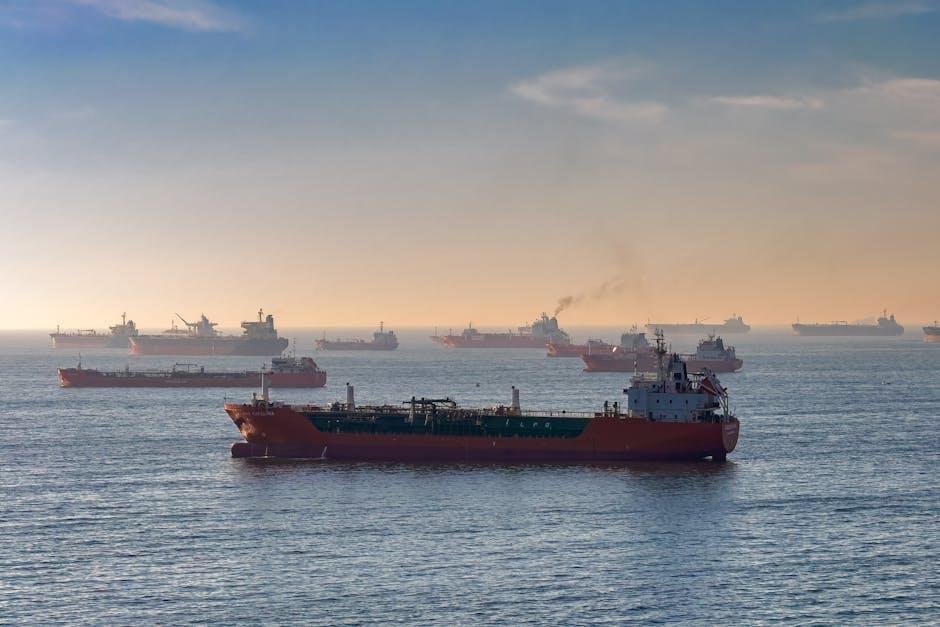
trump Says Deal with Iran and Opening of Strait of Hormuz Are “Largely Negotiated”
In a notable geopolitical development, President Donald Trump has announced that a peace deal with Iran is “largely negotiated,” signaling a potential end to months of conflict [[1]]. This breakthrough, which follows high-level discussions with Middle Eastern leaders, is expected to include the long-awaited reopening of the Strait of Hormuz, a critical artery for global energy markets [[3]]. As the world watches these unfolding events, we delve into the implications of this potential agreement, what it means for the global economy, and the long road toward regional stability.
Understanding the Importance of the Strait of Hormuz
The Strait of Hormuz is arguably the most significant maritime chokepoint in the global oil trade. For months, the obstruction of this waterway has caused ripples of instability in global crude oil prices, impacting everything from logistics to the cost of living for consumers worldwide. By finalizing a deal that restores safe passage, the U.S. and Iran are addressing a primary source of economic anxiety [[2]].
The urgency of these negotiations cannot be overstated. With military tensions reaching a breaking point,the diplomatic intervention aims to secure a ceasefire that halts active combat operations and restores trade routes [[2]].
Key Components of the Proposed Peace Deal
While the final details of the agreement are still being ironed out, reports suggest that the plan covers several critical areas designed to de-escalate the situation permanently. Below is a summary of the expected outcomes based on the latest reports:
| Category | Primary Objective |
|---|---|
| Maritime Security | Full reopening of the Strait of Hormuz for commercial shipping. |
| military De-escalation | Cessation of active hostilities between U.S. and Iranian forces. |
| Regional Stability | Diplomatic framework established after calls with Middle Eastern allies. |
| Energy Markets | Stabilization of global crude oil supply chains. |
Navigating the Path to Peace: Benefits for the Global Economy
The potential success of these negotiations offers a silver lining for a world weary of conflict. As the deal nears finalization, the benefits are expected to manifest across several sectors:
- Stabilization of Oil Prices: With the Strait of Hormuz reopened, supply chain bottlenecks are expected to ease, providing relief to global energy markets [[3]].
- Restoration of Trade Routes: Maritime shipping companies can resume standard routes,reducing insurance premiums and transit times.
- Diplomatic Cooling: The move signals a shift from direct military confrontation to structured negotiation, creating space for long-term regional diplomacy.
Analyzing the stance of Involved Parties
It is important to note that while the U.S. management is reporting progress, the situation remains fluid. In some corners
You might also like:
- The Stalemate in U.S.-Iran Relations: Analyzing Current Developments
- SpaceX launches Starlink 10-31 mission from Cape Canaveral, Florida – Florida As of late
- The Surge of AI Talent in Big Tech: A New Era of Innovation
- Pre-COP30 Preparations: Brazil Sets the Stage for Climate Action
- Reassurance from Treasury Secretary: US Economy Is Not Facing a 2026 Recession
