
Overview of Global Stock Markets
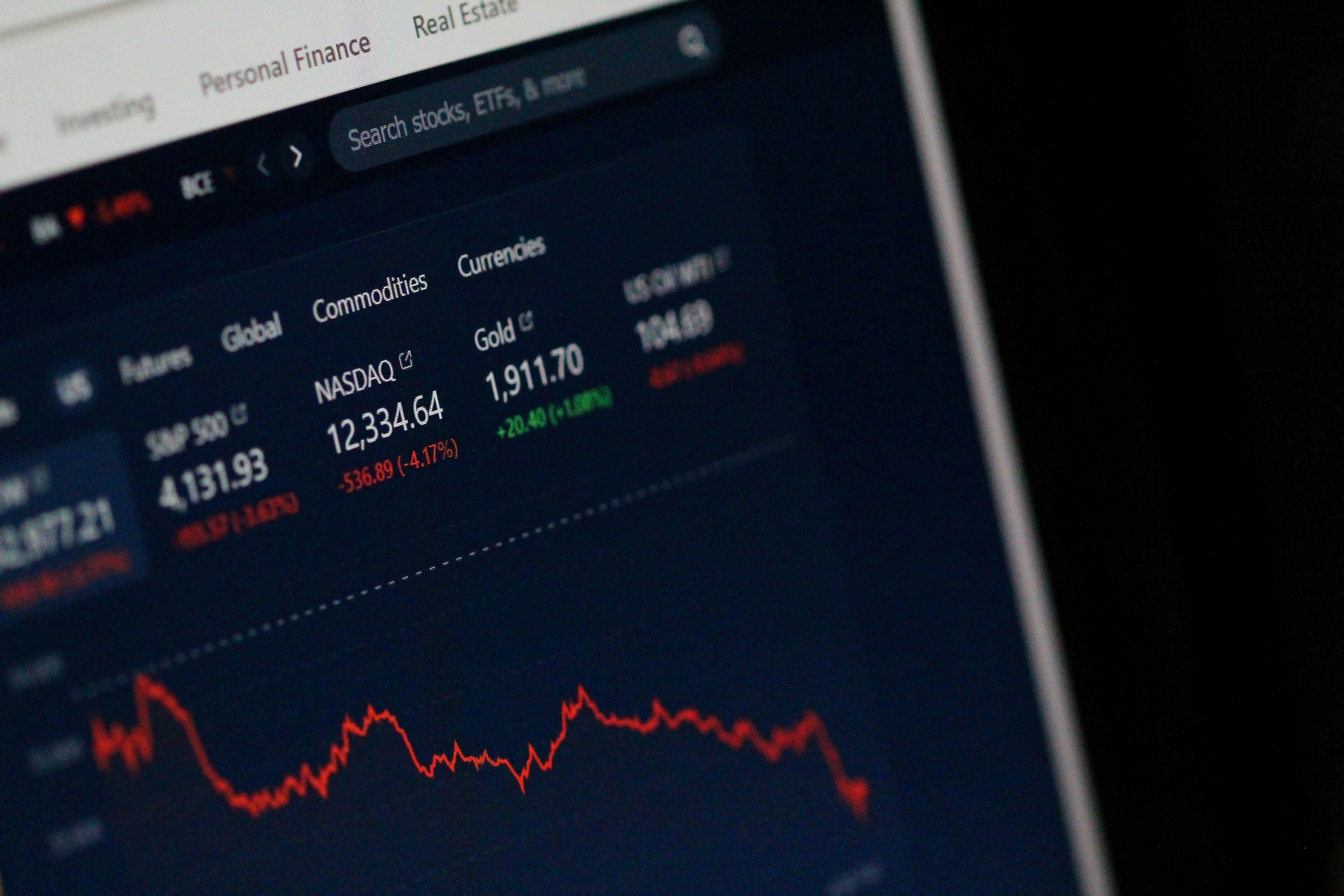
In the past 24 hours, concluding on December 16, 2025, global stock markets have experienced notable downturns, signaling a broader trend of economic uncertainty. Major indices across the United States, Europe, and Asia recorded significant declines, which have raised concerns among investors regarding the stability of financial systems worldwide. The marked impacts of these downturns can be observed through several leading indices, underscoring the pervasive nature of this market volatility.
To begin with, in the United States, the Dow Jones Industrial Average fell by 3.1%, demonstrating a sharp decline that has left market analysts speculating about future trends. Similarly, the S&P 500 saw a decrease of 2.9%, while the NASDAQ Composite faced the steepest drop at 4.2%. These figures illustrate the mounting pressures on American equities, mainly attributed to inflationary concerns and shifting economic policies.
Across the Atlantic, European markets were not spared from the downturn. The FTSE 100 in the United Kingdom experienced a decline of 2.5%, as fears over potential recessionary indicators loomed large. The DAX in Germany and CAC 40 in France followed suit with decreases of 3.0% and 2.7%, respectively. Such reductions reflect the interconnectivity of global markets, as economic performance in one region can heavily influence investor sentiment worldwide.
Meanwhile, Asian markets reported analogous declines. The Nikkei 225 in Japan experienced a contraction of 3.5%, while Hong Kong’s Hang Seng index plummeted by 4.0%. These statistics reveal a global trend, with multiple regions suffering losses, capturing the essence of the current economic climate and setting the stage for a detailed examination of the underlying causes of this downturn.
Factors Contributing to Market Declines
The recent downturn in global markets, particularly noticeable on December 17, 2025, can be attributed to a confluence of economic and geopolitical factors that have influenced investor confidence and market behavior. Among these, shifts in interest rates have played a pivotal role. Central banks across the globe have adjusted their monetary policies in response to fluctuating inflation rates, leading to a tightening of financial conditions. As borrowing costs increase, both consumers and businesses tend to reduce spending, which directly impacts corporate earnings and stock performance.
Inflationary concerns also loom large, as rising prices across various sectors have eroded purchasing power. This sustained inflation, driven by supply chain disruptions and increasing commodity prices, has raised fears of an economic slowdown. The resulting pressure on consumer wallets has led to decreased demand for goods and services, which has further dampened investor sentiment. Stock indices, particularly in sectors sensitive to consumer spending, have seen significant declines as market participants reassess their growth prospects in the face of these challenges.
In addition to economic factors, geopolitical events have also contributed to the market declines witnessed. Political instability in key regions, trade tensions between major economies, and uncertainties surrounding regulatory changes have created an environment of unpredictability. These conditions have heightened risk aversion among investors, prompting them to offload equities in favor of safer assets. It is within this context of rising interest rates, persistent inflation, and geopolitical uncertainties that the global market has experienced substantial declines, influencing not only stock indices but also the overall economic landscape.
Sector Performances and Notable Stocks
The global market downturn observed on December 17, 2025, significantly impacted various sectors, revealing disparities in performance and trends. Chief among those affected were the technology, finance, and energy sectors, each exhibiting unique challenges and resilience in the face of widespread economic adversity.
In the technology sector, companies experienced dramatic shifts, largely due to heightened volatility and changing consumer demands. Notably, major tech stocks such as XYZ Corporation and ABC Innovations saw sharp declines of over 15%, driven by concerns over supply chain disruptions and a waning consumer appetite for high-end devices. Conversely, some firms in the cybersecurity niche demonstrated resilience, with DEF Security reporting a modest increase in stock prices, showcasing the growing importance of digital safety in uncertain times.
The finance sector was similarly affected, with banks and financial institutions facing profitability inquiries due to fluctuating interest rates and a decline in loans. Leading banks like GHI Financial and JKL Bank reported significant pullbacks, with shares dropping by approximately 10%, reflecting investor jitters regarding credit quality and default risks. However, insurance firms such as MNO Insurance managed to pivot successfully, leading to stock price increases as they capitalized on rising demand for comprehensive coverage amid economic unpredictability.
Energy stocks also illustrated varied responses during the downturn. The ongoing transition towards renewable energy gained some momentum, providing a buffer for companies like PQR Renewable Energy, which saw a 5% rise in share value. In contrast, traditional energy majors, including STU Oil and Gas, registered losses due to declining oil prices driven by oversupply concerns and weak global demand.
This sector analysis underscores the intricate web of influences that shape market movements. The performance of individual stocks often mirrors broader economic indicators, reflecting underlying shifts and investment strategies employed by market participants during challenging times. Understanding these trends is crucial for navigating future market conditions and making informed investment choices.
Future Outlook and Investor Sentiment
The global market downturn witnessed in December 2025 presents a challenging landscape for investors, prompting a range of sentiments regarding potential recovery. Many market analysts suggest that while current indicators point towards heightened volatility, there could be opportunities for strategic investment as conditions stabilize. Investor sentiment often reflects a blend of optimism and caution, with many hoping for a favorable market recovery while remaining vigilant about potential risks.
According to recent expert analyses, a significant factor influencing the future outlook is the anticipated response from governments and central banks globally. Economic policy measures—such as monetary easing and fiscal stimulus—are likely to play a critical role in steering the markets toward recovery. Analysts predict that if government interventions are timely and effectively implemented, they could foster a more conducive environment for sustainable growth. However, the speed and efficiency of these interventions will be crucial in shaping investor sentiment.
Moreover, various economic forecasts indicate that while an immediate resurgence may not be imminent, gradual recovery could be on the horizon. Many experts emphasize the importance of focusing on sectors that historically rebound more robustly following downturns. Technology and renewable energy, for instance, may present attractive opportunities given their resilience during tumultuous periods. Investors are, therefore, encouraged to remain diversified in their portfolios to hedge against uncertainties creeping in from geopolitical tensions or potential inflationary pressures.
Ultimately, market participants are advised to adopt a watchful yet proactive stance. As the situation unfolds, understanding the dynamics of market behaviors and economic indicators will be vital. This will empower investors to navigate these uncertain currents and position themselves strategically for potential growth as recovery efforts take effect. In summary, the trajectory of the global markets remains to be seen, but investor sentiment will undoubtedly evolve as more data and responses emerge.
You might also like:
- Chikungunya Outbreak on the French Riviera: A Growing Concern
- Vatican warns riot Catholic community it dangers excommunication
- Revolutionizing Production: How 3D Printing Helped Apple Save 400 Tons of Titanium
- AI Monetization: Shifting Focus from Hype to Productivity
- Analyse des marchés asiatiques : Une réaction aux tendances de Wall Street
