
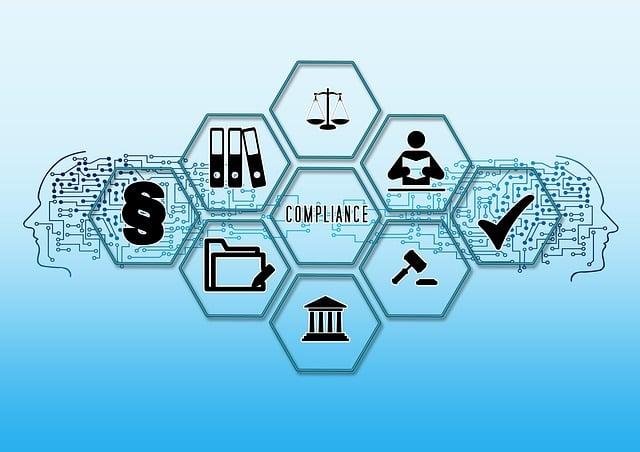
Polymarket Weighs KYC Requirements Amid Global Crackdown on Prediction Markets
The landscape of decentralized finance and prediction markets is shifting rapidly. As global regulatory bodies heighten their scrutiny,platforms that were once bastions of anonymity are finding themselves at a crossroads. Leading the conversation is Polymarket, which is reportedly exploring mandatory Know Yoru customer (KYC) measures to align with international standards [[2]]. For traders, developers, and blockchain enthusiasts, this signals a pivotal transformation in how we interact with speculative markets.
The Evolution of Prediction Markets and Regulatory Pressure
Prediction markets like Polymarket have surged in popularity, offering users the ability to wager on real-world events, from political elections to economic outcomes. However, this growth has caught the attention of financial regulators worldwide. The fundamental tension lies between the decentralized, permissionless nature of blockchain technology and the stringent legal requirements governing financial services [[3]].
Currently,Polymarket faces significant pressure as it navigates bans or access restrictions in over 30 countries,including nations like Spain,Portugal,and New Zealand [[2]]. Thes restrictions are primarily due to non-compliance with local licensing laws, forcing the platform to re-evaluate its global operational strategy. Is it possible for these platforms to remain decentralized while adhering to global compliance? That is the multi-billion dollar question.
Understanding the Shift to Mandatory KYC
Know Your Customer (KYC) is a standard procedure in traditional finance, designed to prevent money laundering and ensure financial integrity. As polymarket weighs the implementation of stricter verification protocols, users should prepare for a potentially more formal onboarding experience [[1]].
What Does the KYC Verification Flow look Like?
the verification flow is designed to be the backbone of identity validation. While specific requirements may evolve, the general framework typically involves:
- Identity Verification: Submission of government-issued identification cards or passports.
- Proof of Residency: Utility bills or bank statements to confirm the user’s jurisdiction of origin.
- Prefill Integration: Streamlined data entry where user-provided info is validated in real-time [[1]].
| Feature | Current Status (Decentralized) | Future Outlook (KYC-Compliant) |
|---|---|---|
| Accessibility | Global/permissionless | Geofenced/Restricted |
| Identity | Anonymous/Wallet-based | Verified/Document-based |
| Regulatory Standing | High Risk | Compliant/Oversight |
Why global Regulation is Tightening
The “Global Crackdown” isn’t merely an inconvenience; it is a fundamental reaction to the rapid scaling of prediction markets. regulators are primarily concerned with:
- Investor Protection: Preventing retail users from engaging in high-risk gambling disguised as financial speculation.
- Anti-Money laundering (AML): ensuring that illicit funds are not laundered through decentralized prediction protocols.
- Jurisdictional Sovereignty: Ensuring that financial platforms abide by the laws of the countries where their users reside [[2]].
As Polymarket attempts to bridge the gap between innovation and legislation, the industry is closely watching how these compliance measures will impact liquidity and user engagement.
Benefits and Practical Tips for the Modern Trader
While the move toward KYC may feel antithetical to the ethos of Web3, there are distinct benefits to navigating this shift. Staying ahead of the regulatory curve can protect your assets and ensure continued access to top-tier prediction markets.
Practical tips to Keep Your Account Secure:
- Monitor Updates: Official documentation is your best friend. Keep an eye on the Polymarket Help Center to understand if and when your region is affected [[1]].
- Understanding the Benefits of Sustainable Living
- This Huge Scientific Discovery Sat Hidden in a Museum Drawer for A protracted time
- While Trump insisted the Iran battle would pause ‘quickly,’ an story in his identify used to be attempting to search out thousands and thousands in oil, defense, and gold
- Tokyo Gas: Harnessing Higher Prices for Growth in North American Markets
- Funny Jokes for Effortless Everyday Laughs
You might also like:
