
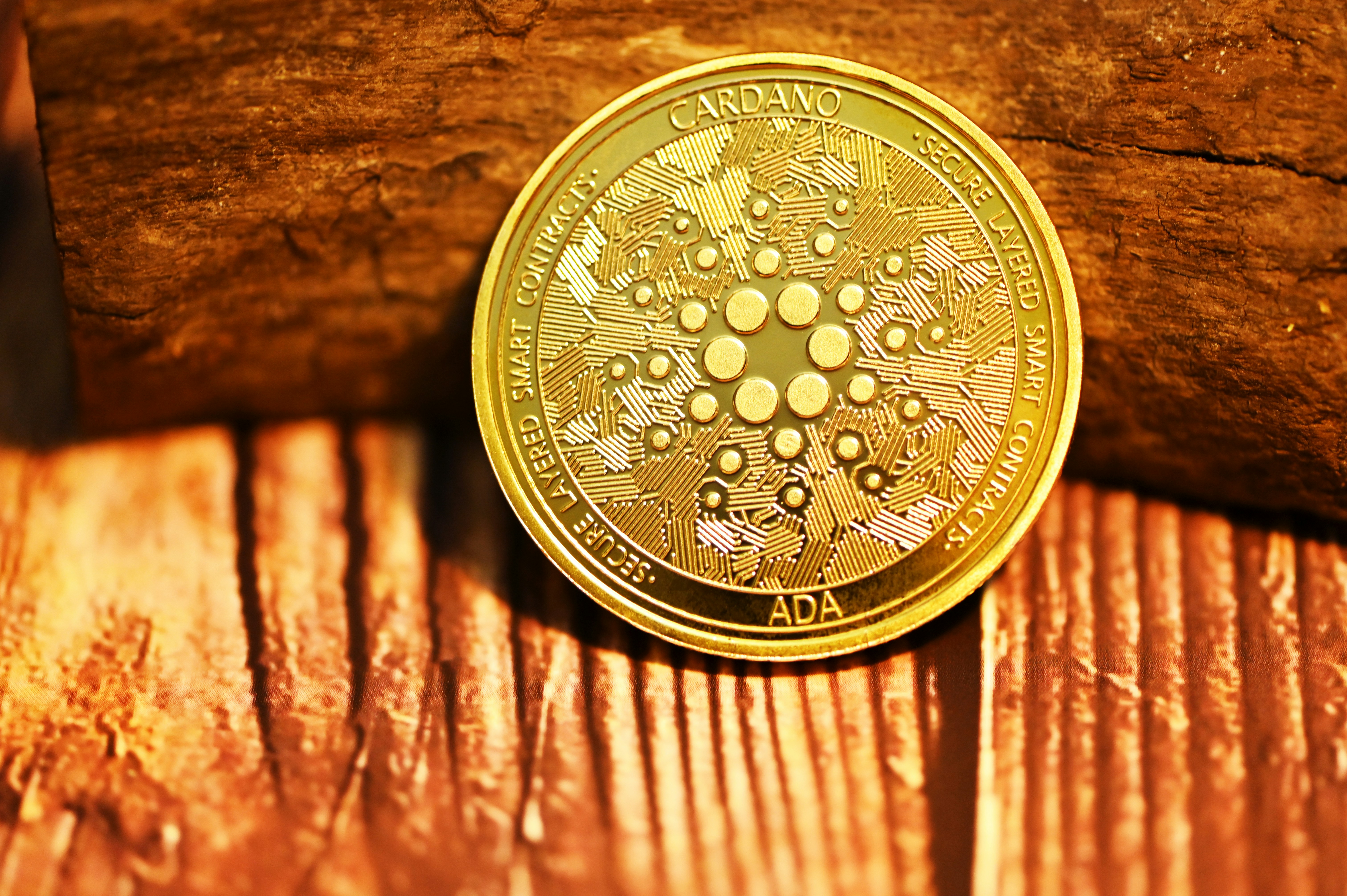
Introduction to Cardano (ADA)
Cardano (ADA) is a blockchain platform that was founded in 2015 by Charles Hoskinson, one of the co-founders of Ethereum. Its development was driven by a mission to create a more secure and scalable platform for the execution of decentralized applications (dApps) and smart contracts. Contrary to many existing cryptocurrencies, Cardano emphasizes a research-driven approach, integrating findings from academic research and peer-reviewed studies into its development process.
The foundational philosophy of Cardano revolves around three core principles: scalability, interoperability, and sustainability. Scalability refers to the platform’s ability to handle a growing number of transactions without compromising speed or efficiency. Interoperability is aimed at enabling different blockchains to communicate and collaborate effectively. Finally, sustainability focuses on creating an ecosystem that can maintain its operations long-term without reliance on constant external funding or support.
At the core of Cardano’s technological framework is its unique proof-of-stake consensus mechanism, known as Ouroboros. This system allows for the validation of transactions with significantly lower energy consumption compared to traditional proof-of-work models, thus presenting an environmentally friendly alternative in the cryptocurrency space. Additionally, Cardano utilizes a layered architecture that separates the settlement layer containing ADA transactions from the computation layer, which executes smart contracts. This separation enhances flexibility and security, allowing for easier upgrades and modifications without disrupting ongoing transactions.
Furthermore, Cardano aims to leverage formal verification techniques in its smart contract development process. This scientific approach ensures that the code is rigorously tested and validated, thereby minimizing the risk of vulnerabilities and enhancing overall security. By integrating these innovative technologies, Cardano differentiates itself from other blockchain platforms and strives to provide a robust foundation for the decentralized economy.
Notable Positives: Ecosystem Growth
The Cardano ecosystem has witnessed significant growth in recent months, particularly within the domain of decentralized finance (DeFi). This expansion is indicative of Cardano’s increasing relevance in the crypto industry, as it continues to attract attention from investors, developers, and users alike. One of the most compelling illustrations of this growth is the significant rise in Total Value Locked (TVL), a key metric that reflects the capital held in DeFi applications. As of October 2023, Cardano’s TVL has surged to impressive levels, showcasing the growing trust and utilization of its DeFi protocols.
Cardano’s approach to DeFi has been characterized by a focus on security, interoperability, and sustainability, setting it apart from its competitors. The integration of smart contract functionality into the Cardano blockchain has enabled developers to build an array of DeFi applications, ranging from decentralized exchanges to lending platforms. These developments have not only diversified the ecosystem but have also enhanced the utility of ADA as a critical asset within these applications. As more DeFi projects launch and gain traction, the demand for ADA is likely to increase, positively influencing its market perception and valuation.
Real-World Applications of Cardano
Cardano (ADA) has emerged as a significant player in the blockchain arena, propelled by a focus on sustainability, scalability, and interoperability. The platform’s robust architecture allows for a diverse range of real-world applications that extend beyond mere speculative trading. One of the most compelling use cases of Cardano is in digital identity projects. By utilizing blockchain technology, Cardano provides a secure and immutable way to manage identity verification processes. Such projects are crucial in developing regions where access to traditional identity systems may be limited. By fostering personal empowerment through digital identity, Cardano enhances trust in transactions and interactions in a digital economy.
Furthermore, Cardano’s impact is particularly evident in various developments across Africa and Asia. The platform has spearheaded initiatives aimed at improving supply chain transparency, which is vital in regions where corruption and inefficiency are rampant. By leveraging Cardano’s decentralized technology, businesses can track the provenance of goods, thus ensuring ethical practices and enhancing consumer trust. Initiatives in educational sector management also highlight Cardano’s versatility; through blockchain-based credentialing, educational achievements can be verified effortlessly, mitigating issues related to fraud.
These real-world applications contribute significantly to building confidence in ADA. Unlike many cryptocurrencies which are often viewed purely as speculative assets, Cardano’s focus on practical implementations reinforces its position as a reliable platform token. The continual advancement of innovations and collaborations further cements Cardano’s reputation as a leader in enabling transformative solutions. As Cardano expands its footprint through these meaningful projects, it offers a compelling vision of what blockchain technology can achieve beyond the financial realm.
Staking Trends and Community Confidence
The staking dynamics of Cardano (ADA) have garnered significant attention within the cryptocurrency landscape. As of now, approximately 70% of the total ADA supply is staked, which is a remarkable figure when compared to many other cryptocurrencies. This high staking ratio not only showcases the community’s commitment to the network but also reflects a collective belief in the long-term viability of the Cardano platform. Staking, as a process, allows ADA holders to participate in the network’s operations while earning rewards, making it an attractive proposition for both new and seasoned investors.
Moreover, the significant proportion of ADA being staked illustrates a tendency among holders to embrace a long-term investment strategy. This behavior is often perceived as a vote of confidence in the underlying technology and management of the Cardano ecosystem. The sustained participation in staking mechanisms highlights the conviction of the community in the platform’s upgrades and future potential, underpinning a strong foundation of trust. A committed community plays a critical role in any blockchain project, and Cardano’s robust staking environment is a testament to that trust.
In addition to community engagement, it is also noteworthy that Cardano has the backing of several prominent advisors and institutions in the blockchain space. This external validation enhances the overall credibility of ADA and instills further confidence among stakeholders. The presence of industry experts encourages active participation in staking and contributes to a healthy and secure network. Such dynamics not only boost the economic model of Cardano but also fortify the sense of community ownership. Collectively, these developments illustrate a vibrant ecosystem dedicated to continual growth and sustainability, proving that staking trends play an essential role in fostering community confidence in Cardano.
Market Signals: Consolidation Phase Analysis
As of the latest market assessments, Cardano (ADA) is experiencing a notable consolidation phase. This period is characterized by a relative stability in price movements, wherein ADA is trading within a defined range. Understanding this phase is critical for investors looking to grasp the underlying dynamics of the market. Consolidation typically signifies a temporary pause in trading activity, where supply and demand reach a state of equilibrium. This process can often precede significant price movements, making it an essential element of market analysis.
In the context of Cardano, investors should pay attention to key support and resistance levels. Support levels represent price points where buying interest tends to emerge, potentially preventing further declines. Conversely, resistance levels indicate price points where selling interest can emerge, possibly hindering upward movements. Current analysis identifies the recent support level for ADA around $0.24, while notable resistance is observed at approximately $0.30. Monitoring these levels can provide investors with insights into potential breakout or breakdown scenarios.
The current consolidation phase for Cardano may suggest that the market is building momentum, preparing for a potential directional move. Investors ought to consider that this period of stability may create opportunistic entry points. If ADA breaks above the resistance level, it could indicate bullish sentiment and lead to increased buying activity, propelling the price higher. On the other hand, a decline below the support level may instigate a bearish trend, prompting sell-offs.
The ongoing consolidation phase symbolizes an essential aspect of market evolution, resulting in essential signals for participants in the Cardano ecosystem. Therefore, staying informed about the implications of these market signals will enable investors to make better-informed decisions regarding their positions and strategies in ADA investments.
Potential Price Predictions for ADA
As we explore potential price predictions for Cardano (ADA) up to 2025, it is essential to consider a range of optimistic scenarios that could see the price of ADA reach between $1.40 and $1.65. Several factors contribute to these forecasts, including technological advancements, increasing adoption, and overall market conditions.
One of the primary drivers of ADA’s potential price appreciation is its robust technological framework and ongoing development. Cardano’s unique proof-of-stake consensus mechanism, combined with its commitment to scalability and sustainability, may create a more inviting environment for developers and users alike. This could encourage more projects to be built on the platform, subsequently increasing the demand for ADA and driving its price higher.
Furthermore, Cardano has actively engaged in strategic partnerships and collaborations that could enhance its market presence. For instance, efforts to establish strong ties in emerging markets can position ADA favorably as a solution for decentralized finance (DeFi) and other practical applications. Such initiatives not only boost Cardano’s public perception but also contribute to its long-term sustainability, thus improving price predictions.
Market sentiment also plays a crucial role in price fluctuations. Historically, the cryptocurrency market has exhibited cycles of optimism and pessimism. Should ADA outperform other cryptocurrencies or exhibit resilience during downturns, investor confidence may grow, fostering a bullish outlook for the future. This could lead to increased buying pressure, driving the price closer to the optimistic forecasts.
In conclusion, while predicting the precise future price of ADA remains challenging due to the volatility inherent in cryptocurrencies, a combination of technological innovation, strategic partnerships, and positive market sentiment provides a compelling basis for the optimistic price projections around $1.40 to $1.65 by 2025.
Key Signals to Watch in the Market
In the evolving landscape of cryptocurrency, monitoring key signals is essential for making informed investment decisions, particularly with assets such as Cardano (ADA). Several indicators offer valuable insights into potential price movements and overall market health. Understanding these signals enables investors to navigate the complexities of the market more effectively.
One of the primary signals to track is volume trends. Trading volume refers to the amount of ADA being bought and sold within a certain timeframe. An increase in volume often indicates heightened interest among investors, which can drive price fluctuations. Conversely, declining volume might suggest waning interest, possibly leading to price stagnation or downward trends. Observing volume alongside price movements can provide investors with a clearer picture of market dynamics.
Market sentiment is another critical factor for those involved in ADA trading. Sentiment analysis can be achieved through various platforms that aggregate opinions from social media, forums, and news sources. Positive sentiment might suggest growing confidence among investors, potentially leading to price increases, while negative sentiment could forewarn declines. Tools that analyze social mood can serve as valuable resources, giving investors a broader understanding of the market’s psychological landscape.
Additionally, regulatory developments significantly impact the cryptocurrency market, including Cardano. Laws and regulations surrounding digital currencies can affect investor confidence and ADA’s value. Keeping abreast of announcements from regulatory bodies and legislative changes is crucial, as these factors may either foster a conducive trading environment or introduce uncertainties that can have repercussions on market performance.
By closely monitoring volume trends, market sentiment, and regulatory updates, investors can gain critical insights that enhance their decision-making processes in the ever-evolving ADA market.
Risks Associated with ADA
Investing in Cardano (ADA), like any other cryptocurrency, is accompanied by certain risks that potential investors should be aware of. One of the primary risks is market volatility. The cryptocurrency market is notorious for its price fluctuations, which can often be drastic and sudden. Prices of ADA can swing rapidly due to speculative trading, news, or even changes in market sentiment. Investors should prepare for the possibility of experiencing substantial gains or losses in a short period, making it essential to approach such investments with caution.
Another risk arises from competition within the blockchain ecosystem. Cardano is not the only player in the market; it faces competition from other established and emerging platforms such as Ethereum and Polkadot. These competitors are often continuously innovating, which can enhance their market offerings and appeal. The introduction of new technologies or significant upgrades by these competitors could lead to decreased interest in ADA. Therefore, it is crucial for investors to stay informed about developments in the blockchain space, especially regarding how Cardano’s offerings measure up against those of its competitors.
Furthermore, broader economic factors can also significantly impact the price and adoption of ADA. Factors such as regulatory changes, macroeconomic trends, and shifts in investor confidence can influence the cryptocurrency market’s overall health. A regulatory crackdown on cryptocurrencies or macroeconomic downturns could lead to decreased investment in digital assets, including ADA. With these various risks in mind, potential investors should conduct thorough research and consider diversifying their portfolios to mitigate potential losses. Understanding these risks will empower investors to make informed decisions in their trading endeavors.
Conclusion: Navigating the ADA Landscape
In the ever-evolving landscape of cryptocurrency, Cardano (ADA) has emerged as a notable player with its unique approach to blockchain technology and emphasis on sustainability. Throughout this market analysis, we have explored the critical factors that contribute to the ADA ecosystem’s growth and potential resilience amid market fluctuations. Investors must consider the underlying fundamentals, technological advancements, and community engagement that shape Cardano’s trajectory. With its multi-layer architecture and focus on scalability, Cardano aims to address many issues that have plagued earlier cryptocurrencies, which makes it a compelling option for future investment.
A key takeaway from our analysis is the importance of thorough research when navigating the ADA landscape. Understanding the various elements, such as smart contract capabilities, governance mechanisms, and ongoing development projects, can significantly reinforce an investor’s decision-making process. Additionally, the volatile nature of the cryptocurrency market emphasizes the necessity of approaching investments with caution and discernment. Investors should remain vigilant and stay informed about regulatory developments, market trends, and broader economic indicators that could impact Cardano’s performance.
While the Cardano ecosystem is still in its nascent stages, its potential for long-term growth cannot be dismissed. With a strong community of developers and supporters, paired with its innovative features, Cardano represents a forward-looking investment in a rapidly changing digital landscape. As the project continues to evolve and adapt, stakeholders are encouraged to maintain a balanced perspective, leveraging analytical insights while remaining open to the dynamic shifts characteristic of the cryptocurrency market. By doing so, investors can better position themselves for opportunities that may arise in this promising landscape.
You might also like:
- Supergirl: Trailer The following day, Clark Leaves A Voicemail In Fresh TV Self-discipline
- Reimagining Christmas: A Call for Divine Solidarity and Justice
- Are You Reinvesting Your RMD in 2026? Right here Are Your Only Alternatives – Yahoo Finance
- India voices arouse after Trump shares feedback calling it a ‘hellhole’ – The Guardian
- Exploring Dogecoin: Price Analysis, Volatility, and Technical Insights
