
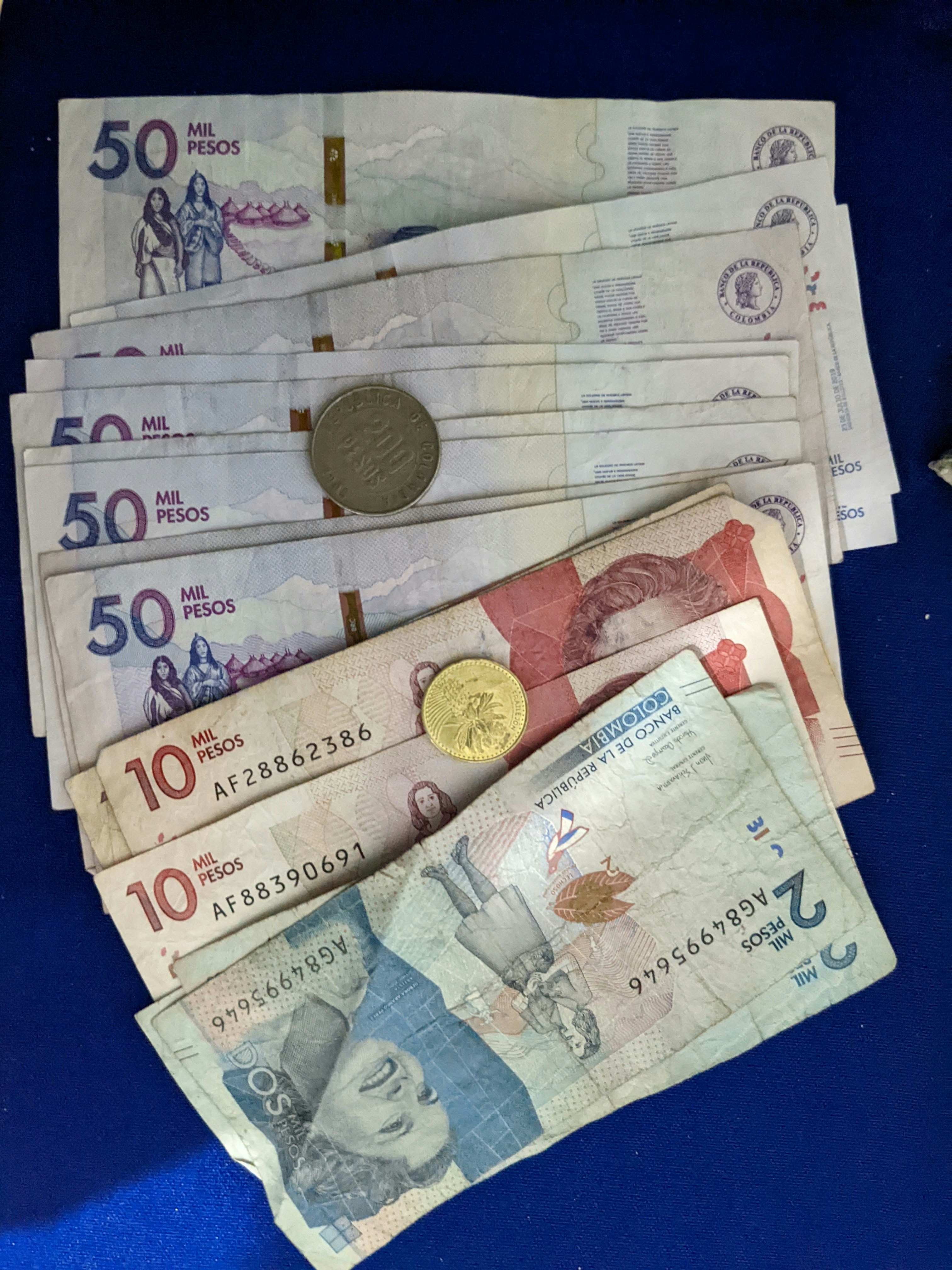
U.S. Cuts Aid to Colombia
On October 20, 2025, President Donald Trump made headlines by announcing a reduction in aid to Colombia, marking a pivotal shift in U.S. foreign policy. This decision did not arise in isolation but was influenced by a confluence of factors, primarily Colombia’s ongoing political turbulence and its struggles with narcotics-related violence. The complexities surrounding Colombia’s internal politics, including recent governmental changes, have heightened U.S. apprehensions about the effectiveness of aid investments in addressing these pressing issues.
The implications of this cut in aid are expected to ripple throughout Colombia’s socio-economic landscape. The loss of financial support could exacerbate existing challenges, such as poverty and violence. Colombia has historically relied on U.S. assistance to bolster its security forces and combat drug cartels. The cessation of this aid threatens to undermine years of progress made in stabilizing regions afflicted by cocaine production and related criminal activities. Consequently, lower funding levels could diminish the Colombian government’s capacity to implement social programs aimed at addressing the root causes of violence and unrest.
This pronouncement has likely instigated a wave of concern among Colombian officials and institutions. The country’s leaders may perceive this move as a direct consequence of their performance in handling narcotics and maintaining public safety. In response, it is anticipated that Colombian authorities will engage in diplomatic efforts to reassure the U.S. about their commitment to combating drug trafficking and enhancing security measures. Furthermore, discussions could be initiated to explore potential alternative support opportunities, hoping to maintain a level of cooperation that could mitigate the immediate repercussions of the aid reduction.
New Tariff Review Imposed by the U.S.
On October 20, 2025, President Trump unveiled a comprehensive review of tariffs on various imports as part of a larger strategy to reshape international trade dynamics. This announcement accompanied a significant reduction in foreign aid to Colombia, marking a shift in America’s foreign policy approach. The review focuses on a diverse range of products, particularly from countries like China, Mexico, and the European Union, reflecting ongoing tensions in these trade relationships.
The tariff review is expected to impact several key industries, including manufacturing, agriculture, and technology. The manufacturing sector, which has already been under pressure from foreign competition, could face increased costs on raw materials, leading to a potential rise in consumer prices. Additionally, agribusinesses relying on exports to countries affected by the tariffs may experience decreases in demand, which could result in job losses and economic instability in rural communities.
From a geopolitical perspective, this move signals a tightening of America’s trade policies and a departure from previously established trade agreements. The potential consequences for international trade relations include heightened tensions with affected countries, which could lead to retaliatory tariffs and further disruptions in global supply chains. Such conflicts have the potential to escalate, affecting not just the U.S. economy, but also the economies of its trading partners.
This tariff review aligns with Trump’s broader trade strategy of prioritizing American interests and promoting domestic products. By implementing protective measures, the administration aims to address trade imbalances and bolster competitiveness. However, while such strategies may provide short-term relief for specific sectors, they risk creating long-term frictions that could hinder overall economic growth and collaboration on pressing global issues.
Nationwide Protests Erupt in the U.S.
On October 20, 2025, a wave of protests broke out across all 50 states in the United States, triggered by the government’s announcement regarding impending aid cuts and a comprehensive review of tariffs. These demonstrations reflected a widespread discontent among the populace concerning recent economic policies championed by the Trump administration. As citizens took to the streets, they demanded a reversal of these decisions, calling for increased governmental support for vulnerable communities that would be adversely affected by reduced funding.
The protests attracted a diverse coalition of participants, including grassroots organizations, labor unions, and student groups, all mobilizing under a united banner seeking change. Many of the demonstrators voiced their concerns not only about the immediate impacts of aid cuts but also the broader implications of tariff reviews on job security, inflation, and access to essential services. Signs and chants in the protests highlighted persistent themes such as “no justice, no peace” and “fund our future,” reinforcing a collective desire for a more equitable economic system.
Public response to the demonstrations was mixed. Many supporters of the Trump administration critiqued the protests as being orchestrated by political adversaries seeking to undermine economic progress, while others recognized them as a legitimate expression of frustration. Notably, social media played a significant role in amplifying the voices of protesters, allowing for rapid dissemination of their messages and solidarity efforts across state lines.
As the protests unfolded, their potential impact on the political landscape became increasingly apparent. Politicians, both at local and federal levels, began to feel the pressure as public dissent grew. This grassroots mobilization could significantly influence upcoming legislative actions and reshape electoral dynamics, particularly in the lead-up to the next election cycle.
Ceasefire Violations in the Middle East
The Middle East continues to be a focal point of international concern as ceasefire violations persist, particularly in the Gaza Strip. Amid escalating tensions, President Trump has issued a statement addressing the actions of Hamas and the broader complexities defining the region’s stability. This ongoing conflict involves multiple stakeholders, including Israeli forces, Hamas, various Palestinian groups, and foreign nations, each with their distinct perspectives and vested interests.
In recent weeks, there has been an alarming increase in hostilities, with both sides accusing each other of breaches in ceasefire agreements. Airstrikes and rocket attacks have resulted in significant casualties and destruction, further exacerbating the already dire humanitarian situation. The United Nations and several human rights organizations have reported on the rising number of civilian casualties, with many families being displaced from their homes. This humanitarian impact is not only alarming but poses serious ethical dilemmas for the international community, which is often tasked with responding to such crises.
Amid this backdrop, discussions around potential pathways to peace are fraught with challenges. Diplomatic efforts aimed at reconciling the conflicting parties have been undermined by mutual distrust and political posturing. Nevertheless, some experts point out that sustainable solutions could arise from renewed dialogue facilitated by neutral third parties. In addition, the role of regional players and their influence over the situation cannot be underestimated, as nations with vested interests might either exacerbate the conflicts or help broker peace.
In conclusion, the situation in the Middle East remains precarious, with ongoing ceasefire violations raising concerns over stability and humanitarian conditions. The complexities surrounding the conflict necessitate careful consideration and collaborative efforts to pave the way for a potential resolution.
Aftermath of the Gaza Conflict Discussions
The ongoing discourse surrounding the Gaza conflict is deeply rooted in a historical context that spans several decades. The region has been embroiled in cycles of violence, and each flare-up has often led to urgent calls for ceasefires and negotiations. The aftermath of the recent events, in particular, has sparked renewed discussions about the potential for durable peace and stability in Gaza. Various stakeholders, including neighboring countries, international organizations, and external powers, have engaged in dialogue aimed at reaching diplomatic resolutions.
External powers, notably the United States, have traditionally played a significant role in mediating between conflicting parties in the region. The U.S.’s involvement has varied considerably, often influenced by the prevailing political landscape. Following remarks attributed to former President Trump, which indicated skepticism about unilateral U.S. intervention, there has been a shift in how diplomacy is approached. Critics argue that diminishing U.S. engagement could exacerbate tensions, leaving a vacuum that other regional powers might fill, thereby complicating the already intricate geopolitical dynamics.
Furthermore, the implications of U.S. involvement, or the lack thereof, cannot be understated. U.S. policies not only impact bilateral relations between Israel and Palestine but also influence perceptions of the United States in the broader Arab world. The potential emergence of alternative diplomatic players could lead to a reconfiguration of alliances and enmities in the region. As dialogues regarding ceasefire agreements continue, the question remains whether these discussions will yield long-lasting solutions or if they will simply serve as temporary measures amid an ongoing cycle of conflict.
The historical context of the Gaza conflict and the intricate web of external influences underscore the importance of a multi-faceted approach to peace negotiations. As discussions evolve, it is crucial to consider both local sentiments and international dynamics to foster a sustainable resolution in the region.
Hong Kong Plane Crash: A Tragic Event
On October 20, 2025, a tragic incident occurred in Hong Kong when a cargo plane lost control during takeoff and skidded off the runway, ultimately crashing into the South China Sea. The aircraft involved in this accident was a Boeing 747-400F, widely known for its reliability in freight transport. The flight was scheduled to transport a significant load of electronic goods, valued at millions of dollars, to various international destinations. Unfortunately, the cargo’s extensive nature contributed to the aircraft’s difficulties during takeoff.
Emergency services responded swiftly, deploying rescue teams and vessels to the area where the plane went down. Initial reports indicated that all three crew members on board were able to escape, although one sustained serious injuries, while the others managed to remain unharmed. Search and recovery operations were immediately initiated to locate any additional personnel and assess the wreckage’s environmental impact on marine life.
This unfortunate event raises vital questions regarding aviation safety and regulatory standards. The aircraft was last inspected according to standard protocols, and officials are now scrutinizing whether any procedural lapses may have contributed to the crash. The loss of the cargo plane not only affects the shipping companies involved but also highlights potential gaps in the current safety regulations enforced by aviation authorities.
As the investigation unfolds, it will be essential to monitor how this tragic crash might influence future regulations and aviation safety protocols globally. Stakeholders in the aviation industry, including airlines and regulatory bodies, will need to evaluate their procedures to prevent similar incidents in the future. The incident serves as a stark reminder of the risks associated with air freight operations and the continuous need for rigorous safety measures to protect crew members and cargo alike.
Global Reactions to the Hong Kong Plane Crash
On October 20, 2025, a tragic plane crash in Hong Kong captured the attention of the global community, leading to an outpouring of responses from governments, aviation authorities, and public figures. The severity of the incident has raised pressing questions regarding aviation safety standards in the region. In the immediate aftermath, international aviation organizations released statements calling for thorough investigations into the causes of the crash, emphasizing the importance of passenger safety and regulatory compliance.
The International Civil Aviation Organization (ICAO) expressed condolences to the families affected and pledged its support in the investigation. They underscored that adherence to safety protocols is paramount to preventing similar tragedies in the future. Likewise, the Hong Kong Civil Aviation Department launched an inquiry, teaming up with experts from other nations to ensure transparency and adaptability of the findings to global aviation practices.
Rescue efforts mobilized quickly, with local emergency services on the scene within minutes. Various organizations, including regional and international rescue teams, coordinated to recover survivors and search for missing persons. The humanitarian response has been commendable, with many volunteers and organizations offering assistance to the victims’ families and those impacted by the tragedy. The responsive measures highlight not only the urgency of crisis management but also humanity’s instinct to support one another during devastating events.
Public sentiment across the globe has also been noticeably affected. Social media platforms have seen a surge in discussions and condolences shared, demonstrating the interconnectedness of individuals regardless of geographic boundaries. Many users have commented on the perceived safety of airline travel, with heightened awareness and apprehension regarding the stability of airline operations within the region. This incident will likely reshape discussions related to aviation safety standards and protocols for years to come, signalling a crucial moment for stakeholders in the industry.
Intersections of Politics and Global Events
On October 20, 2025, various significant events globally indicate the critical intersections of politics and international happenings. Within the United States, internal policies are increasingly seen to have ramifications extending beyond borders. Recent decisions regarding aid cuts have stirred concern among nations that rely heavily on U.S. assistance for economic and humanitarian support. As the U.S. aims to recalibrate its foreign engagements, these cuts are not merely fiscal actions; they represent a shift in strategic alliances and diplomatic relationships around the world.
Simultaneously, the implications of trade tariffs initiated by the U.S. government are taking center stage in the economic discourse. As these tariffs materialize, they invite retaliatory measures from various countries, further entrenching trade disputes. The resulting tensions can destabilize markets, leading to increased uncertainty in international trade relations. By examining these internal policies, it becomes evident that domestic political decisions are intricately linked with global economic and diplomatic landscapes.
Moreover, international incidents such as the recent plane crash and escalating tensions in the Middle East significantly influence U.S. foreign policy decisions. The reality of such crises may compel U.S. leaders to reconsider their diplomatic strategies and prioritize national security in a rapidly shifting global paradigm. The repercussions of these events extend well beyond immediate borders, often prompting a reevaluation of existing treaties and partnerships.
In examining these intersections, it is clear that the interplay between domestic policies and international incidents creates a complex web of influences that shape geopolitical dynamics. As these trends unfold, the world must remain vigilant regarding how political decisions in the U.S. resonate with global events, ultimately impacting informed foreign policy approaches.
What These Events Mean for the Future
As we analyze the events of October 20, 2025, it becomes crucial to draw inferences about their broader implications on the global stage. The domestic protests encountered in various nations, alongside the ongoing international conflicts, are likely to serve as significant turning points, influencing political, economic, and social landscapes worldwide.
The domestic protests can be viewed as reflections of discontent among the populace, which may provoke governmental transformations in the respective countries. For instance, policymakers might focus on reforming governance structures or initiating dialogues with dissenting voices, in a bid to foster stability. If the protests are met with repression, this could exacerbate tensions, leading to further unrest and potential international condemnation. Thus, the trajectory of these protests will be crucial. A pattern of engagement and reform could lead to more democratic governance, whereas a pattern of suppression might result in authoritarianism, further destabilizing the region.
Simultaneously, the prevailing international conflicts could have a ripple effect on global diplomacy. Nations may re-evaluate their foreign policies in light of these events, potentially leading to new alliances or a realignment of existing partnerships. Economic implications are equally important; conflicts can disrupt trade routes and affect supply chains. This disruption may lead to inflation and economic downturns, thus stabilizing or destabilizing economies depending on their resilience and adaptability. Furthermore, international relations might evolve into a more multipolar world in response to the shifting dynamics, adopting a cooperative or competitive stance among nations.
In summary, the events of today could redefine diplomatic relations and economic strategies for years to come, emphasizing the intricacies of domestic and international interactions. Awareness of these evolving scenarios is essential as the global community navigates an uncertain future.
You might also like:
- Monero (XMR) Daily Digest: News, Trends, and Analysis from the Past 24 Hours
- Ireland’s Dramatic Victory: Securing the Final Play-off Spot Against Hungary
- Asian Markets Close Mixed: A Day of Diverging Trends
- The Largest Importer of Russian Oil: A Comprehensive Analysis
- The Ongoing Israel-Hamas Conflict: UN Security Council Resolution and Its Implications