Introduction to Litecoin
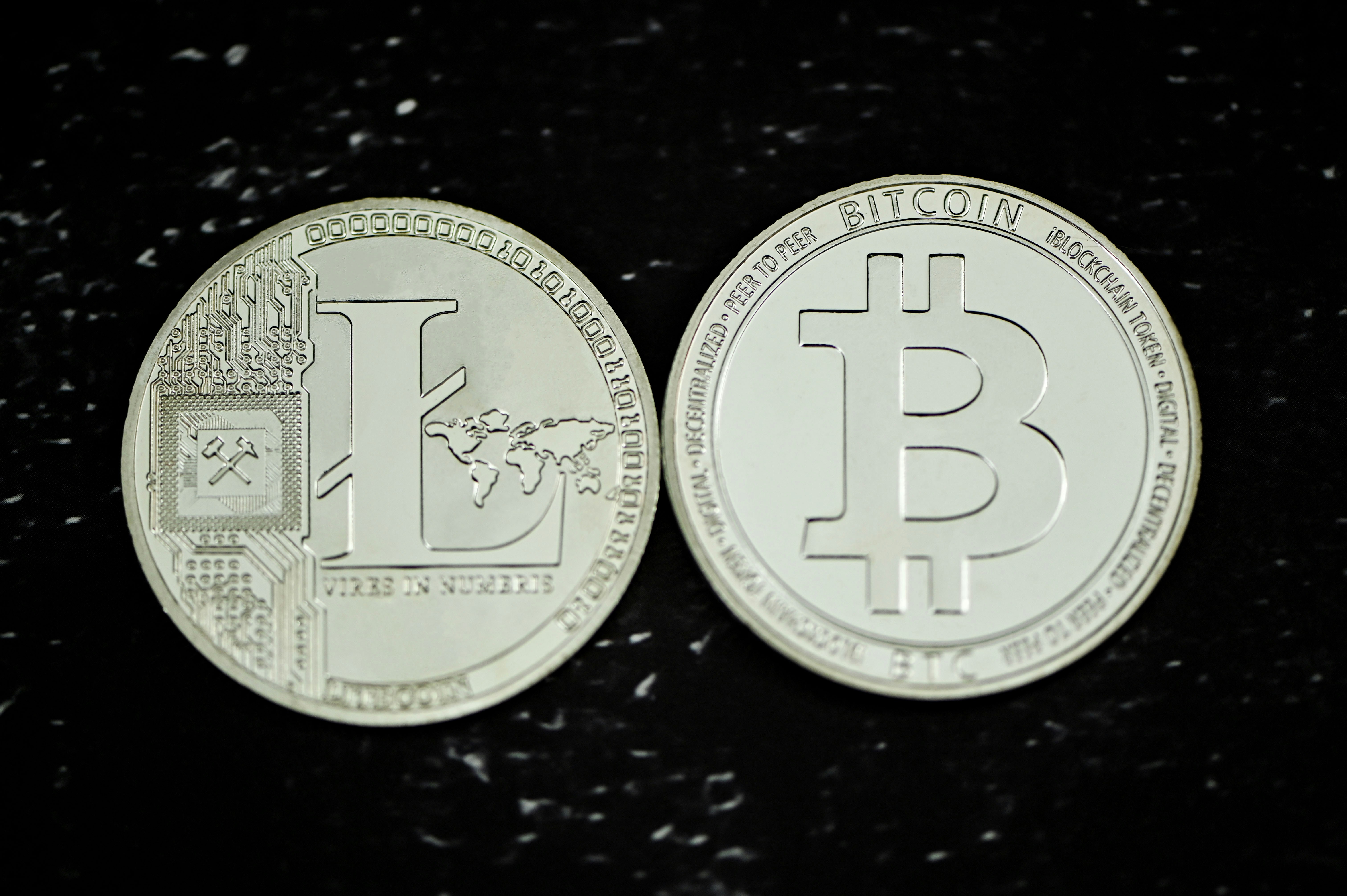
Litecoin, often referred to as the ‘digital silver,’ is a cryptocurrency that was created in October 2011 by Charlie Lee, a former Google engineer. As one of the earliest alternatives to Bitcoin, Litecoin has carved its niche in the cryptocurrency landscape and has garnered significant attention from investors and users alike. Its introduction marked a pivotal moment in the evolution of digital currencies, positioning Litecoin as a strong competitor to Bitcoin, the dominant ‘digital gold’ in the market.
Litecoin was specifically designed to enhance the flaws found in Bitcoin’s architecture, aiming to create a more scalable and efficient payment system. The primary objective of Litecoin is to facilitate quick transactions with lower fees, thereby making it more practical for everyday use. This advantage places Litecoin in a competitive edge in transaction speed and cost, appealing to users who prioritize convenience and efficiency in their digital transactions.
Another notable feature of Litecoin is its algorithm, named Scrypt, which differs from Bitcoin’s SHA-256. This algorithm allows for easier mining of Litecoins using consumer-grade hardware, democratizing the mining process and making it accessible to a broader audience. Litecoin’s focus on accessibility and innovation has contributed to its acceptance and popularity within the cryptocurrency community.
As a pioneering cryptocurrency, Litecoin continues to evolve by integrating new technologies and innovations, including improvements in security and scalability. This adaptability ensures that it remains relevant in an ever-changing market, attracting both new and experienced investors seeking diversified portfolios in the cryptocurrency realm. Through its unique characteristics and robust framework, Litecoin exemplifies the potential of cryptocurrencies as a disruptive force in the financial industry.
What is LTC?
LTC, or Litecoin, is a prominent cryptocurrency often referred to as the “digital silver” in comparison to Bitcoin, which is viewed as “digital gold.” The transaction code LTC specifically represents units of value on the Litecoin network. Developed by Charlie Lee in 2011, Litecoin was designed to facilitate quicker transactions and a more efficient mining process than its Bitcoin counterpart.
In essence, LTC functions as a medium of exchange within the Litecoin blockchain. This decentralized network allows for rapid transfer of value, making LTC a practical choice for various transactions. Users and merchants benefit from lower fees and faster confirmation times, enabling seamless online transactions that traditional banking methods may hinder. Additionally, the Litecoin network processes blocks approximately every 2.5 minutes, compared to Bitcoin’s 10 minutes, thus providing a substantively quicker transactional experience for its users.
Moreover, LTC plays a crucial role in the mining ecosystem of Litecoin. Miners validate transactions and add them to the blockchain, receiving newly minted LTC as a reward for their efforts. This mining activity not only ensures the security and integrity of the transactions but also adjusts the supply of Litecoin in circulation. Analysts often regard the supply dynamics of LTC as instrumental in driving its pricing and overall market behavior.
In trading, LTC is commonly paired against numerous fiat and digital currencies, allowing investors significant flexibility. Its inclusion on major cryptocurrency exchanges further supports its liquidity and accessibility, making LTC an appealing asset for those seeking to diversify their investments in the cryptocurrency market. Overall, LTC is indispensable to both the operational framework and the economic foundation of the Litecoin network, highlighting its importance for users and investors alike.
The Technology Behind Litecoin
Litecoin, often referred to as the digital silver, operates on a robust technological foundation that distinctly separates it from its predecessor, Bitcoin. The core of Litecoin’s infrastructure is its proof-of-work algorithm known as Scrypt. While Bitcoin employs the SHA-256 algorithm, Scrypt was designed with a focus on enabling consumer-grade hardware to participate in the mining process. This feature democratizes mining, allowing a wider range of users to contribute to the network while reducing the risks of centralization associated with specialized mining rigs.
One of the prominent advantages of Litecoin is its faster block generation time. Litecoin generates blocks every 2.5 minutes, compared to Bitcoin’s 10-minute interval. This accelerated pace not only allows the Litecoin network to confirm transactions more quickly but also enhances user experience. Faster block times result in quicker transaction confirmations, which can be particularly beneficial for merchants and users engaged in daily transactions.
Transaction speeds in Litecoin also benefit from its unique technological framework. The Scrypt algorithm, combined with its efficient transaction processing methods, enables Litecoin to handle a much higher transaction throughput than many competing cryptocurrencies. This leads to lower transaction fees and swifter processing times, making it an appealing option for users who prioritize fast and cost-effective transactions.
Scalability features in Litecoin have received considerable attention as well. As the demand for transactions increases, Litecoin’s protocol is engineered to accommodate higher volumes without sacrificing performance. This ensures that as more users adopt Litecoin, the network remains resilient and efficient. Furthermore, with the ongoing development in the cryptocurrency space, Litecoin continues to explore various enhancements to its underlying technology, striving for improvements in security and performance.
Litecoin vs. Bitcoin: A Comparative Analysis
Litecoin and Bitcoin are two of the most prominent cryptocurrencies in the digital currency market, often compared due to their similarities and differences. Both operate on decentralized networks utilizing blockchain technology; however, their transaction speeds, fees, supply caps, and practical use cases set them apart. Understanding these distinctions can provide insights into why Litecoin is commonly referred to as “digital silver” while Bitcoin holds the title of “digital gold.”
One of the primary differences between Litecoin and Bitcoin is their transaction speed. Litecoin was designed to generate blocks about every 2.5 minutes, compared to Bitcoin’s 10 minutes. This faster block generation allows Litecoin to confirm transactions more quickly, making it an appealing option for everyday transactions. As a result, users can enjoy enhanced convenience, especially for smaller purchases or retail payments.
Transaction fees also distinguish the two cryptocurrencies. Litecoin typically offers lower transaction costs than Bitcoin. This aspect can significantly influence the choice for merchants and users wishing to conduct frequent transactions, as reduced fees mean that more of the transaction value remains intact. Particularly for microtransactions, Litecoin’s lower fees allow for greater practicality.
The supply cap between the two digital currencies also varies. Bitcoin’s maximum supply is capped at 21 million coins, while Litecoin allows for a total issuance of 84 million coins. This larger supply aims to ensure accessibility and mitigate scalability issues associated with increasing demand. Both cryptocurrencies are, however, deflationary in nature, which adds value as their respective supply diminishes over time.
In terms of use cases, Bitcoin mainly functions as a store of value, often regarded as a hedge against inflation. Conversely, Litecoin, with its quicker processing times and lower costs, is suitable for day-to-day transactions. This duality of purpose illustrates how both cryptocurrencies can coexist, fulfilling different market needs within the cryptocurrency ecosystem.
Use Cases of LTC
Litecoin (LTC), often referred to as digital silver, has garnered significant attention in the cryptocurrency landscape for its versatility and efficiency. One of the primary use cases of LTC is its utility as a medium of exchange, allowing users to conduct fast and low-cost transactions. Its blockchain technology ensures that transactions are confirmed quickly, making it an attractive option for merchants looking to offer their customers an alternative payment method. Numerous online retailers, including Overstock and Newegg, have embraced LTC, showcasing its potential as a payment solution in e-commerce.
Furthermore, LTC is increasingly being utilized for remittances. In countries with limited access to traditional banking systems, Litecoin provides an accessible avenue for individuals to send money across borders without incurring exorbitant fees typically associated with international money transfers. By leveraging LTC, users can transfer value swiftly and securely, enabling families to receive financial support from abroad rapidly. This accessibility is particularly vital in regions where financial infrastructure is lacking.
Beyond transactions and remittances, Litecoin has also established itself as a viable investment option. Investors appreciate LTC for its market stability relative to other cryptocurrencies. Its consistent development and upgrades, such as the implementation of the Mimblewimble extension block, enhance privacy and scalability, addressing concerns within the crypto community. Additionally, LTC’s finite supply, similar to Bitcoin, positions it as a store of value, appealing to investors interested in long-term holdings.
In observing the various use cases of Litecoin, it becomes clear how individuals and businesses leverage this cryptocurrency to meet their financial needs. From facilitating online purchases to sending funds across borders and serving as an investment vehicle, LTC’s relevance in the ever-evolving cryptocurrency landscape remains robust. The adaptability and practical applications of Litecoin set it apart as a pioneering force in the realm of digital currencies.
Investing in Litecoin: Pros and Cons
Investing in Litecoin, often referred to as the “digital silver,” can offer a unique opportunity for both novice and seasoned investors. One of the primary advantages of investing in Litecoin is its potential for price appreciation. Historically, Litecoin has demonstrated significant price movements that have often outpaced traditional assets during bullish market trends. This could indicate a favorable opportunity for those looking to diversify their investment portfolios. Additionally, Litecoin’s technological foundation, derived from Bitcoin, involves quicker transaction times and lower fees, which attract users and investors alike.
Market trends are another factor that can enhance the attractiveness of Litecoin as an investment. As cryptocurrency adoption grows, Litecoin’s infrastructure supports a robust ecosystem for transactions and smart contracts, positioning it well to capitalize on the underlying shift toward digital currencies. Furthermore, the ongoing development and upgrades, such as the implementation of the Mimblewimble protocol, can potentially enhance privacy and scalability, making Litecoin more appealing to investors looking for long-term value. Numerous experts project that as more businesses and individuals adopt cryptocurrencies, Litecoin’s utility could drive further price increases.
However, it is crucial to acknowledge the risks associated with investing in Litecoin. The cryptocurrency market, including Litecoin, is notoriously volatile, with prices capable of swinging dramatically within a short period. This volatility can lead to significant losses for unwary investors. Additionally, regulatory challenges loom over the cryptocurrency landscape, with countries around the world grappling with how to approach digital currencies. Changes in regulations can create uncertainty, impacting investor confidence and possibly leading to regulatory crackdowns that might adversely affect Litecoin’s value. Thus, conducting thorough research and consulting financial advisors is advisable before making any investment decisions regarding Litecoin.
Overcoming Challenges Facing Litecoin
Litecoin, often referred to as the digital silver, has established itself as a notable player in the cryptocurrency market since its inception in 2011. However, as the digital currency landscape evolves, Litecoin encounters a myriad of challenges that hinder its growth and adoption. One of the foremost obstacles is the competition from newer cryptocurrencies, which frequently boast enhanced features and improved transaction speeds. These newer entrants, such as Cardano or Solana, present significant competition, necessitating that Litecoin remain relevant through innovation and community engagement.
Additionally, regulatory scrutiny poses another challenge for Litecoin and other cryptocurrencies. As governments around the world begin to draft frameworks and impose regulations for cryptocurrencies, Litecoin must navigate these waters carefully. The fear of regulatory crackdowns can lead to decreased investor confidence and increased volatility in the market. To combat this, Litecoin can proactively engage with regulators and contribute to policy discussions, thereby positioning itself as a responsible player within the cryptocurrency ecosystem.
Furthermore, technological hurdles such as transaction scalability and network security cannot be overlooked. As transaction volumes increase, Litecoin must continually enhance its underlying technology to maintain efficient processing capabilities. The implementation of solutions like the Lightning Network could significantly alleviate congestion and enhance transaction speeds. By addressing these technological challenges head-on, Litecoin showcases its resilience and adaptability in a rapidly changing environment.
In conclusion, while Litecoin faces challenges in competition, regulatory environments, and technology, its strong community and focus on innovation position it well for continued success. Through strategic initiatives and engagement, Litecoin can not only overcome these hurdles but also leverage them as opportunities for growth and development within the cryptocurrency market.
The Future Outlook for Litecoin
As we look ahead, the future of Litecoin (LTC) appears promising, bolstered by a series of technological enhancements and market positioning that aim to solidify its place within the cryptocurrency landscape. One of the upcoming developments that cryptocurrency enthusiasts are keenly observing is the implementation of the Mimblewimble protocol. This significant upgrade is designed to enhance privacy and scalability, aligning Litecoin more closely with the growing demand for secure transactions in the digital currency realm.
In addition to network upgrades, market predictions for Litecoin suggest that its value may see an upward trajectory in response to broader adoption and market trends. Analysts are increasingly optimistic about LTC’s potential to act as a reliable medium of exchange, particularly in situations where Bitcoin might be less practical. Litecoin’s faster transaction times and relatively lower fees could position it favorably among users seeking alternatives to Bitcoin, especially in everyday transactions.
Moreover, Litecoin’s development team has consistently worked to improve its technological infrastructure, ensuring that it remains competitive alongside more established and newer cryptocurrencies. With the integration of smart contracts and other advanced features, Litecoin is poised not just to maintain its relevance but also to serve as a versatile platform for developers looking to build innovative applications in the blockchain space.
In the larger cryptocurrency ecosystem, experts suggest that Litecoin is likely to attract institutional interest, particularly as awareness of the utility and potential of cryptocurrencies grows. Its established history, combined with ongoing enhancements, positions LTC as an attractive asset for both retail and institutional investors alike. By examining these factors, one can formulate an informed perspective on what to expect in the evolving world of Litecoin and its ongoing journey as a digital asset.
Conclusion
In summary, LTC, as the transaction code for Litecoin, represents a crucial component of the cryptocurrency ecosystem. Throughout this discussion, we have explored Litecoin’s inception, its technical characteristics, and its role as a peer-to-peer digital currency. With its faster block generation time and increased transaction capacity compared to Bitcoin, LTC stands out as a practical alternative in the digital currency landscape, often referred to as “digital silver.” This unique identifier, LTC, allows for efficient transaction processing on the Litecoin network, highlighting its utility for everyday users and investors alike.
The significance of LTC extends beyond mere identification; it embodies a growing trend towards the practical application of cryptocurrencies as a medium for transactions and investments. Litecoin has gained recognition for its steady performance and innovative features, appealing to both seasoned traders and newcomers exploring the burgeoning world of digital assets. With advancements in blockchain technology, Litecoin continues to evolve, promising enhanced scalability and security in its transactions.
As cryptocurrency adoption grows, understanding key elements like the transaction code LTC becomes increasingly important for individuals engaging with Litecoin. By familiarizing themselves with Litecoin’s functionalities and the implications of its transaction code, users can make informed decisions regarding their investments and transaction practices. Therefore, whether one is considering investing in Litecoin or utilizing it for everyday purchases, grasping the relevant details surrounding LTC is essential. As the digital economy expands and diversifies, LTC will undoubtedly remain a pivotal part of the narrative surrounding Litecoin and its comparative role in the cryptocurrency market.