
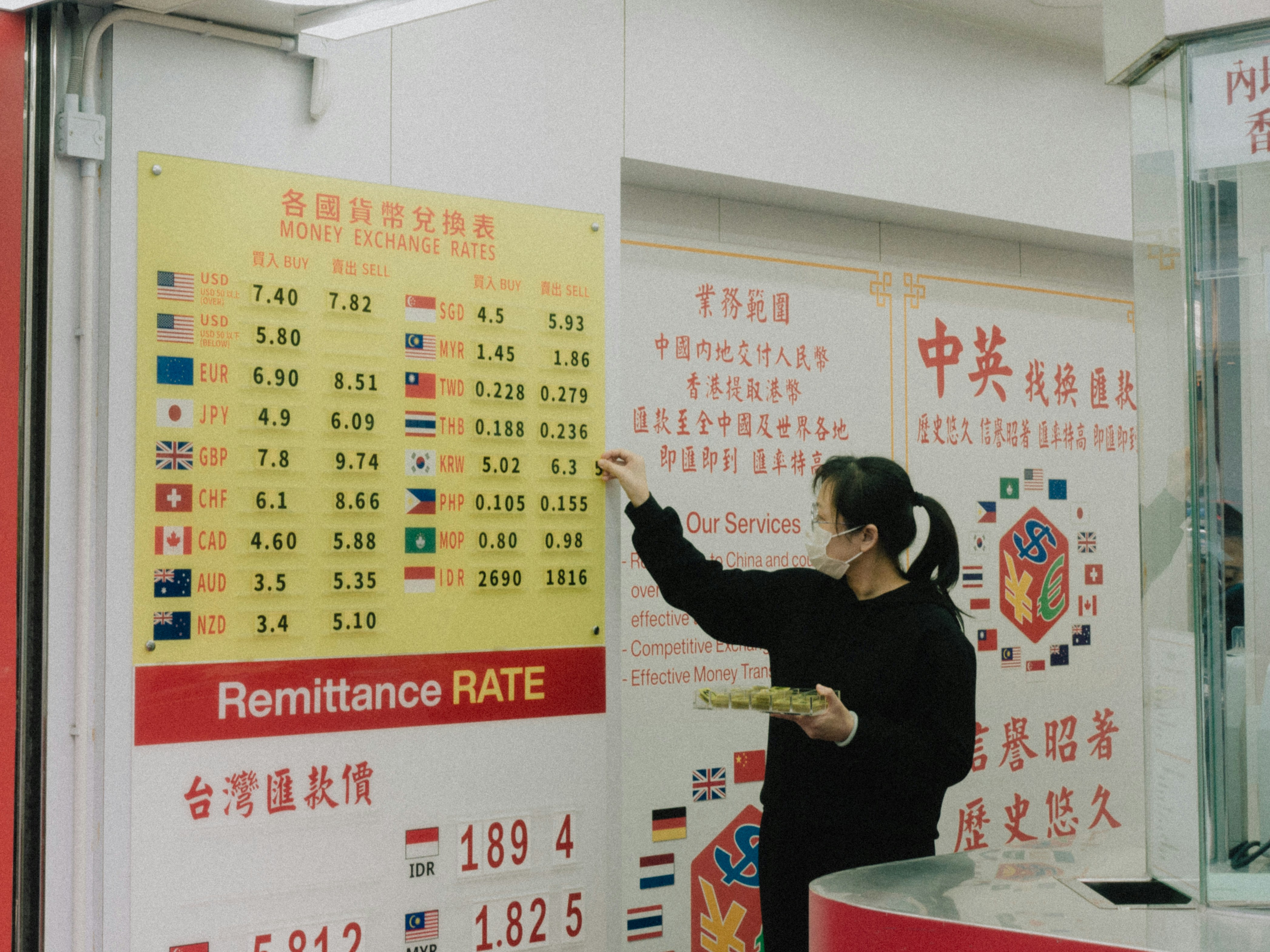
Overview of the Currency Market
As of October 22, 2025, the currency market has shown notable fluctuations, primarily influenced by macroeconomic indicators and geopolitical developments. The US dollar (USD) has experienced a slight recovery against a basket of major currencies, signaling a potential stabilization as traders and investors analyze the latest economic data. This uptick in USD strength is seen as a reflection of growing investor confidence, particularly as recent reports suggest a resilient US economy despite global uncertainties.
One of the primary factors contributing to the USD’s performance is the latest employment figures, which exceeded market expectations and indicated robust job growth. Additionally, market participants are closely monitoring the Federal Reserve’s monetary policy stance, as any signals regarding interest rate adjustments play a crucial role in shaping currency valuations. An increase in interest rates typically strengthens the dollar, attracting foreign investments and leading to a more favorable exchange rate against other currencies.
In recent hours, the EUR/USD pair has shown signs of volatility, primarily driven by contrasting economic data emerging from the Eurozone. While the European Central Bank’s (ECB) cautious approach to interest rate hikes has led to a weaker euro, the USD’s gain reflects a broader trend where investors seek safer assets amid ongoing geopolitical tensions. Furthermore, fluctuations in commodity prices, particularly oil, have also impacted currency dynamics, as nations heavily reliant on energy exports face economic challenges.
In the Asian markets, the USD has similarly appreciated against the yen and other regional currencies. These trends are indicative of a shifting landscape in the currency market, where the USD’s resurgence can be attributed to a complex interplay of domestic economic data, global political uncertainty, and changes in monetary policy across major economies. Analyzing these dynamics provides valuable insights into the currency market as it unfolds in real-time.
Strength of the US Dollar (DXY Index)
The US Dollar Index (DXY), a critical measure of the strength of the US dollar against a basket of six major currencies, observed a notable increase of approximately 0.38%, closing the trading day at 98.96 points. This uptick from the previous day’s figure of 98.60 points signifies a strengthening of the dollar and underscores the ongoing trends in the foreign exchange market. The DXY provides essential insight into the overall health of the greenback, reflecting both domestic economic data and international market perceptions.
The recent performance of the DXY can be attributed to several factors, including the stability of the US economy relative to its global counterparts. The increase in the index highlights how investor sentiment has shifted favorably towards US Treasuries and equities, which are often considered safe-haven assets during times of economic uncertainty. As the dollar strengthens, it suggests that investors are increasingly favoring the US currency as a means of preserving wealth, especially in light of geopolitical tensions and varying economic recoveries worldwide.
Comparatively, the DXY’s rise impacts the value of the dollar against major currencies such as the euro, yen, and British pound. A higher DXY index indicates that the dollar is gaining strength, leading to potential price declines in these currencies. This scenario can affect trade balances, import costs, and competitiveness for US exporters. Consequently, as the dollar’s strength continues to grow, businesses and consumers alike must consider the implications for purchasing power and cross-border investments.
In summary, the recent performance of the DXY at 98.96 points reflects the USD’s robust strength against its major counterparts, offering valuable insights into the stability and direction of the global economy.
Performance of Major Currency Pairs vs USD
As of October 22, 2025, the performance of major currency pairs against the US dollar (USD) has exhibited notable fluctuations that reflect the underlying economic sentiments and trends. The EUR/USD pair, a focal point for many investors, has shown a depreciation of the euro as it trades at approximately 1.05. This decline can be attributed to several factors, including recent monetary policy decisions by the European Central Bank, which suggest a more cautious approach to interest rate hikes compared to the Federal Reserve. Market sentiment indicates growing concerns about inflation in the Eurozone, and these concerns have contributed to the euro’s weakening against the dollar.
In contrast, the USD/JPY pair has indicated a strengthening of the yen relative to the US dollar, with current trades around 135 yen per dollar. This performance can be linked to Japan’s recent economic recovery signals, including rising consumer spending and increased exports, which have fostered a more robust economic outlook. The Bank of Japan’s dovish stance appears to be shifting slightly as inflation pressures increase, leading to speculation about possible adjustments in their monetary policy that could further impact the yen’s performance against the USD.
The GBP/USD exchange rate has also been a focus of attention, currently placing the British pound at around 1.28 against the dollar. The pound has experienced volatility due to ongoing concerns over the UK’s economic outlook, with discussions surrounding trade agreements and fiscal policy contributing to uncertainties. The sentiments among traders remain cautious, with many watching closely for any signs of stabilization from the British government that could influence the pound’s value moving forward.
Overall, the fluctuations across these major currency pairs against the USD signify a complex interplay of economic indicators and market sentiments, setting the stage for further developments in the foreign exchange landscape.
Market Sentiment and Investor Behavior
Recent trends in the financial markets reflect a significant shift in market sentiment, moving from a predominantly ‘safe haven’ mentality to a more optimistic ‘risk-on’ attitude. This transition has been notably influenced by a rally in US stocks, which has spurred greater investor confidence and an appetite for riskier assets. As investors have shifted their focus towards equity markets, this has directly impacted currency values, particularly the United States Dollar (USD).
The transformation of sentiment from caution to optimism can be largely attributed to various macroeconomic factors, including positive economic data releases, improving corporate earnings, and a generally favorable outlook on economic recovery. As the stock market in the US has shown resilience, evidenced by rising indices, many investors are increasingly willing to take on risk. This rally has not only bolstered equities but has also revitalized the USD as a preferred currency in the context of global trading.
As a result of the changing sentiment, currencies that are typically viewed as riskier have faced downward pressure, whereas the USD has demonstrated a robust recovery. This is evident in the relative strength of the dollar against major currencies, including the euro and the Japanese yen. Investors are reallocating their portfolios, leading to a surge in demand for the USD, which historically serves as a safe haven in times of uncertainty.
Furthermore, the current market dynamics suggest a complex interplay where the optimism surrounding the US economy facilitates an overall strengthening of the USD. This evolution, driven by heightened investor behavior favoring risk on rather than risk off, underscores the prevalent market sentiment and highlights the USD’s position as a key currency in global finance.
Impact of Precious Metals on Currency Flows
Precious metals, particularly gold and silver, have historically served not only as investment assets but also as economic indicators that influence currency flows globally. These metals are often perceived as safe havens during times of economic uncertainty, and their prices tend to fluctuate based on a multitude of factors, including inflation rates, geopolitical tensions, and changes in interest rates. In recent weeks, a significant sell-off in gold and silver has been observed, prompting discussions surrounding the implications for currency markets, most notably the United States dollar (USD).
The recent sell-off in precious metals has been characterized by substantial profit-taking by investors, who, after a period of bullishness in the markets, elected to liquidate positions to capitalize on earlier gains. This shift in sentiment has sparked a notable influx of capital back into the USD, reinforcing its status as a temporary safe haven. As traders and investors reallocate their portfolios in response to market movements, this transition tends to strengthen the USD, often diminishing the appeal of precious metals.
Furthermore, when gold and silver prices decline, it can result in a decreased demand for currencies associated with countries that are significant producers of these metals. In turn, this can contribute to an appreciation of the USD as market participants seek more reliable assets. The dollar, traditionally regarded as a benchmark for stability, often experiences upward pressure during periods of diminished confidence in alternative assets, including precious metals. Consequently, fluctuations in the prices of gold and silver are intricately linked with the dynamics of currency flow, impacting global economic interactions and reinforcing the USD’s prominent role in international finance.
Geopolitical Factors Affecting the USD
The geopolitical landscape plays a significant role in determining the strength of the U.S. dollar (USD) against other major currencies. A prime example of this is the ongoing tensions between the United States and China, which have been characterized by a series of trade disputes, tariffs, and regulatory challenges. These tensions have led to uncertainty among investors, influencing their decisions regarding currency investments. As the world’s largest economy, changes in the relationship between these two superpowers can markedly affect global trade dynamics and overall market confidence in the USD.
Furthermore, geopolitical issues involving other nations also contribute to volatility in currency markets. For instance, conflicts in the Middle East or Europe can create instability, prompting investors to flock to the USD as a safe haven. The currency’s status as the primary reserve currency is maintained during such crises because it is perceived to be a stable and reliable store of value. In times of global uncertainty, the demand for USD often increases, thereby strengthening its position against other currencies.
Additioanlly, it is important to consider the implications of domestic politics in the United States. The administration’s fiscal and monetary policies, particularly those related to international trade and foreign relations, can influence investor sentiment. Proposals intended to regulate global trade or alter existing agreements may lead to fluctuations in the USD’s valuation over time. The Federal Reserve’s responses to external economic pressures can also weigh heavily on the dollar, affecting its performance in foreign exchange markets.
In summary, the complex interplay of geopolitical factors, including trade relations and domestic policy changes, significantly impacts the strength of the USD. As global tensions further evolve, monitoring these dynamics will remain crucial for understanding the future trajectory of the dollar in the financial landscape.
Comparative Analysis with Other Currencies
The strengthening of the United States Dollar (USD) against major currencies reflects varied reactions driven by economic conditions, geopolitical factors, and monetary policy shifts. As of October 22, 2025, the USD’s performance can be contrasted with currencies such as the Euro (EUR), British Pound (GBP), and Japanese Yen (JPY), each showcasing distinct behaviors in the foreign exchange market.
Recent trends indicate that the Euro has faced downward pressure against the USD, primarily influenced by the European Central Bank’s (ECB) monetary easing policies aimed at stimulating the region’s economy. This contrasts with the Federal Reserve’s tightening measures, which have bolstered confidence in the USD. Consequently, the EUR/USD pair has shown significant fluctuations, causing market participants to reassess trading strategies in light of anticipated interest rate changes from both central banks.
Similarly, the GBP has exhibited volatility amidst ongoing political and economic uncertainties in the United Kingdom. Factors such as inflation rates and economic growth forecasts have played a critical role in shapingGBP’s value against the USD. The recent tightening of monetary policy by the Bank of England, while supportive of the GBP, has not sufficiently countered the momentum of the strengthening dollar.
In the case of the Japanese Yen, its status as a safe-haven currency often leads to fluctuations during periods of global uncertainty. The USD’s strength has prompted a decline in the JPY value, driven by investor sentiment favoring the perceived stability of the dollar. Additionally, Japan’s own monetary policy, with continued low-interest rates, further exacerbates the divergence between the two currencies, leading to a relatively lower JPY/USD exchange rate.
Overall, the comparative performance of the USD against other major currencies illustrates a complex interplay of economic indicators and market dynamics. Understanding these trends is essential for investors and analysts alike, as they navigate an evolving global financial landscape.
Future Implications for the Currency Market
The current strength of the United States dollar (USD) against major currencies suggests various potential future developments in the currency market. As of October 22, 2025, the USD has shown resilience, benefiting from a mix of positive economic indicators and strategic monetary policies from the Federal Reserve. Moving forward, one of the primary factors influencing the continued strength of the USD will be the overall economic performance of the United States compared to other economies. Economic indicators such as GDP growth rates, unemployment statistics, and inflation will play critical roles in determining whether this upward trend will endure.
In addition, geopolitical events and global trade dynamics could significantly impact the currency market. The USD often acts as a safe-haven currency during times of uncertainty; therefore, escalating tensions or economic downturns in other regions could lead to increased demand for the dollar. Analysts predict that if the U.S. continues to implement robust fiscal measures and uphold positive trade relationships, it may further solidify its position against other currencies.
Conversely, if global markets stabilize and other economies recover, particularly in Europe and Asia, we may witness a potential shift in currency dynamics. Currencies such as the euro or the Japanese yen might regain some strength if their respective economic environments improve. Inflation targeting and controls will also present challenges. If inflation in the U.S. rises significantly, the Federal Reserve may be forced to adjust interest rates, which would influence the currency’s value as well.
In essence, the future of the currency market is inherently dynamic, shaped by a multitude of factors including economic performances and geopolitical landscapes. Stakeholders and investors should keep a close watch on these variables to make informed decisions in a fluctuating currency market.
Conclusion
The recent strengthening of the U.S. dollar (USD) against major currencies marks a significant trend in the foreign exchange market as of October 22, 2025. This notable performance can largely be attributed to a combination of robust economic indicators, shifts in monetary policy, and global investor sentiment leaning towards safety amid geopolitical uncertainties. Key economic reports, such as rising employment figures and increased consumer spending, have bolstered market confidence in the strength of the U.S. economy, prompting a favorable outlook for the dollar.
Furthermore, the Federal Reserve’s stance on interest rates continues to play a crucial role in the dollar’s upward trajectory. With expectations that the Fed may adopt a more hawkish approach to monetary policy in light of sustained inflationary pressures, the potential for higher interest rates invites foreign investment. This influx not only boosts the dollar’s value but also reinforces its status as a global reserve currency, influencing other currencies to adjust in response.
The implications of the USD’s strength are multifaceted for both investors and traders. For those engaged in international trade, a stronger dollar means that U.S. exports may become more expensive for foreign buyers, potentially impacting trade balances. Conversely, importers may benefit from reduced costs when purchasing goods from abroad. Investors should closely monitor these trends, as fluctuations in the currency market can lead to both risks and opportunities in their portfolios. Understanding the dynamics accompanying the dollar’s performance is essential in navigating this evolving landscape.
In summary, the USD’s recent performance against major currencies is not merely a transient moment but rather a reflection of deeper economic factors and market reactions. Keeping abreast of these trends will be vital for those involved in the currency market moving forward.
You might also like:
- Public Hearing on New York State’s Water Service Lead Line Replacement Program
- South Africa’s G20 Participation: A Strategic Pause During US Presidency
- Cryptocurrency Market Overview: A 24-Hour Analysis (October 21, 2025)
- European Stock Markets Surge: Trading Snapshot for October 20, 2025
- Unraveling Battlefield 6: The Mystery of the Hidden Firing Range Room