
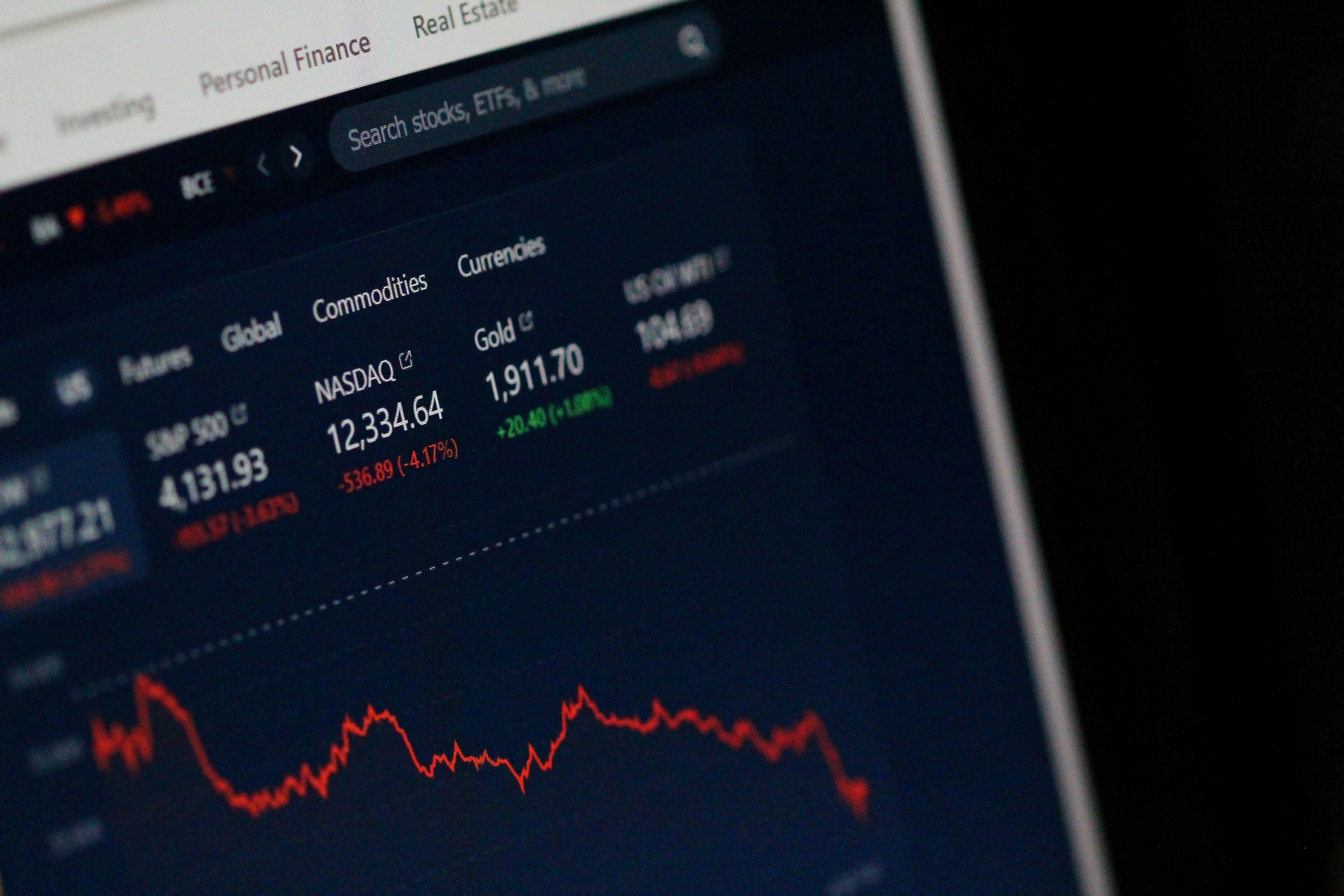
Overview of the DAX 40 Index Performance
On October 22, 2025, the DAX 40 Index experienced a notable decline of approximately 0.74%, culminating in a closing value of around 24,158 points. This drop is indicative of the ongoing challenges affecting investor confidence and economic stability in the German stock market. The downward trend is particularly alarming as it signals a loss of momentum, with the DAX 40 showing signs of underperformance compared to prior trading sessions.
When analyzing the DAX 40’s performance, it is essential to consider the broader economic context that influences market behavior. Recent data released prior to this date suggest a slowdown in key economic indicators, which has raised concerns among investors about potential sustained impacts on growth. The index’s performance on October 22 reflects a continuation of these economic worries, as it follows a series of fluctuations characterized by volatility and uncertainty.
In the preceding days, the DAX 40 had already shown signs of softening. Notably, a comparison with earlier trading sessions reveals that the index has lost significant ground, which has contributed to a prevailing negative sentiment among market participants. This persistent decline can be attributed to various factors, including concerns over inflation, geopolitical tensions, and supply chain disruptions that have been impacting corporate earnings across multiple sectors.
Consequently, the DAX 40 Index’s performance on October 22 can be considered emblematic of a broader downtrend within the German stock market. As investors reassess their positions in light of the current economic climate, the trajectory of the DAX 40 remains uncertain. Monitoring upcoming economic reports and geopolitical developments will be crucial for stakeholders looking to navigate the challenges ahead.
Factors Influencing Market Sentiment
The current market sentiment, characterized by a cautious outlook among investors, can be attributed to several interconnected factors. One of the primary contributors is the assessment of uneven income statements from various companies listed on the DAX index. A number of firms have reported mixed earnings, raising concerns about their sustainability and long-term growth prospects. This disparity has led to increased scrutiny among investors, who are now more discerning when evaluating the potential for future investments. The resulting uncertainty has tempered market enthusiasm, prompting many to adopt a more cautious approach.
Additionally, ongoing international trade negotiations influence market sentiment significantly. The ambiguity surrounding tariff agreements and trade policies not only impacts major exporters within Germany but also has broader implications for the European economy as a whole. Investors are closely monitoring developments, as any signs of disruption could lead to heightened volatility. The potential for new barriers to trade is particularly concerning for industries heavily reliant on export markets, which further compounds investor apprehension.
Moreover, various economic indicators, such as inflation rates, unemployment figures, and overall GDP growth, are also pivotal in shaping market sentiment. Recent reports indicate a slowdown in economic growth, which raises alarms about the resilience of the German economy amidst global uncertainties. This creates a ripple effect, influencing investor confidence and altering trading strategies on the stock exchange. The interplay of these factors has contributed to a tone of caution in the German stock market, leading many investors to prioritize risk management over aggressive trading. As we continue to observe these developments, the market’s response will likely remain tempered until a clearer economic outlook emerges.
Sector-Specific Stock Performance Analysis
The recent downturn in the DAX index has revealed significant underlying trends within various sectors, notably affecting energy, technology, and automotive stocks. The energy sector has been particularly hard hit, with Siemens Energy leading the charge in losses. The company’s stock has plummeted amid escalating concerns regarding energy supply and pricing, which have raised questions about the sector’s overall stability. Market analysts suggest that rising costs of raw materials and a shift towards more sustainable energy solutions are contributing factors to this decline.
Similarly, the technology sector is grappling with its own set of challenges. Infineon Technologies, a key player in semiconductor manufacturing, has faced a drastic reduction in stock value as demand pressures and supply chain issues have persisted. The global semiconductor shortage, initially fueled by the pandemic, continues to affect profitability, prompting investors to reevaluate their positions and leading to significant sell-offs across the sector.
The automotive sector is not exempt from this downward trend either. Major manufacturers such as Mercedes-Benz and Volkswagen have reported marked declines in their stock values. This decline is largely attributed to rising inflation, which impacts consumer purchasing power and subsequently reduces demand for new vehicles. Additionally, ongoing supply chain disruptions have further exacerbated the situation, forcing these companies to adjust production and sales forecasts negatively.
Despite the broad losses, there are sectors and stocks that have demonstrated resilience. Certain utility companies have experienced steady demand, allowing for more stable performance amidst the volatility. Additionally, some technology firms focusing on innovative solutions and sustainable practices have reported improved performance in the face of adversity. These exceptions suggest that, while the market is currently under pressure, opportunities remain for discerning investors willing to navigate these challenging economic conditions.
Latest Corporate Developments and Recovery Signs
In recent weeks, the DAX 40 index has been influenced by several significant corporate developments that have raised concerns among investors and market analysts alike. One noteworthy story is Volkswagen’s announcement regarding potential production suspensions due to ongoing semiconductor shortages. These shortages have impacted the automotive industry globally, leading to a reduction in manufacturing capabilities and delays in vehicle deliveries. As a major player in the European automotive sector, Volkswagen’s challenges are symptomatic of broader supply chain disruptions, ultimately affecting market perceptions towards the DAX 40 index.
Conversely, positive news has emerged from Biotech firm Formycon, which has successfully launched a new biologic drug aimed at treating specific medical conditions. This launch not only highlights the resilience and innovation present within the biopharmaceutical sector but may also positively influence investor sentiment towards companies operating within the DAX index. The contrasting narratives from Volkswagen and Formycon reflect the mixed signals present in the market, underpinning the cautious outlook that predominates among DAX investors.
In light of these developments, certain stocks within the DAX index are evidencing signs of recovery. Companies that successfully adapted to supply chain challenges or those that capitalize on emerging market trends seem to be gaining traction. For instance, firms that have diversified their supply sources or streamlined production processes are positioning themselves favorably. Furthermore, sectors such as technology and healthcare are seeing an uptick in stock performance, suggesting that investors are starting to look for growth opportunities amidst the prevailing economic uncertainties.
As the market continues to navigate through these corporate dynamics, the DAX index’s trajectory will largely depend on how effectively companies can manage ongoing challenges while seizing new opportunities. While uncertainties persist, these corporate developments could serve as a catalyst for potential rebounds in the near future.
You might also like:
- Cryptocurrency Market Update: December 16, 2025
- Global Highlights: Important Observances on December 18, 2025
- Hurricane Melissa Wreaks Havoc in the Caribbean: A Deep Dive into the Destruction
- Understanding the Impact of the US Government Shutdown on Air Travel
- Escalating Tensions: The Drug War and Venezuela’s Political Landscape