
Overview of Wall Street’s Influence
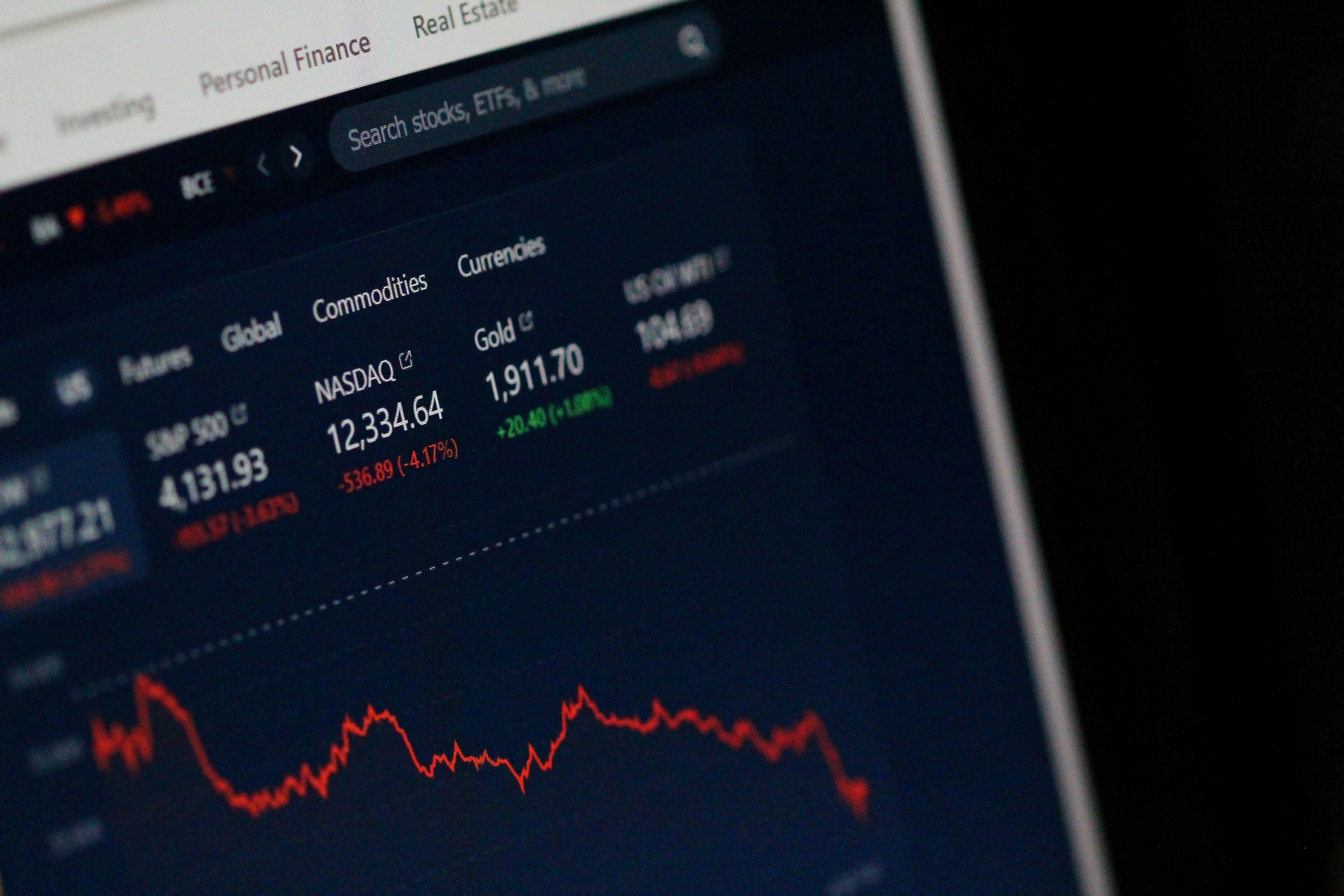
On October 22, Wall Street experienced notable declines that reverberated across global financial markets, setting a cautious tone for Asian stocks on October 23. The performance of major U.S. indices, including the S&P 500 and the Dow Jones Industrial Average, reflected a shift in investor sentiment driven by a mix of economic indicators and corporate earnings reports. The decline was underscored by concerns over inflation and interest rates, leading investors to recalibrate their expectations for projected economic growth.
A critical feature influencing Wall Street’s downturn was the mixed economic news that surfaced prior to the trading day. Reports indicated a slowdown in consumer spending, which raised alarm about the potential for reduced demand in various sectors. The anticipation of upcoming Federal Reserve meetings added to the prevailing uncertainty, as investors were cautious about the central bank’s future monetary policy direction. Consequently, this sentiment impacted stock performances in Asia as market participants closely monitored any spillover effects.
Specific stocks that drove the changes in the U.S. market included major technology firms, which experienced significant sell-offs amid broader concerns regarding their growth projections. This resulted in diminished market confidence, further pressuring Asian markets to adopt a wait-and-see approach. The interlinkage of global trading means that fluctuations on Wall Street often shape investor strategies across Asia, leading to a spillover of both anxiety and risk aversion.
As Asian investors processed the information from Wall Street’s performance, key indices in the region experienced cautious trading. With many traders opting to remain on the sidelines, the subdued response highlighted the far-reaching impacts of economic data and stock performance in the U.S., reflecting the interconnected nature of today’s global finance landscape.
Nikkei 225: A Decrease After Strong Gains
The Nikkei 225 index, which tracks the performance of 225 large companies on the Tokyo Stock Exchange, experienced a notable decrease on October 23, following a series of strong gains in prior days. This decline can be attributed to a combination of domestic economic factors, disappointing corporate earnings reports, and overall negative sentiment stemming from global markets, particularly Wall Street.
Japan’s domestic economic data released recently raised concerns among investors. Although there were previous indicators of growth, more recent data suggested a slowdown, which spurred apprehension regarding the future trajectory of the economy. Investors were further impacted by a series of corporate earnings results from key companies within the Nikkei, some of which fell short of market expectations. This phenomenon prompted a reevaluation of stock valuations, leading to a cautious stance among market participants.
Additionally, external influences played a significant role in the decline. The persistent decline in major US indexes added to the uncertainty in Asian markets. Investors tend to closely monitor Wall Street’s movements, as declines can trigger a ripple effect across global financial markets. As a result, many Japanese firms that are heavily reliant on exports faced downward pressures, particularly in the technology and export-driven sectors.
In terms of sector performance, industries such as electronics and automotive, which have been vital to the index’s previous gains, saw a pullback. Notably, companies like Sony and Toyota reported mixed earnings, contributing to the overall lag in the Nikkei 225. The interwoven nature of domestic and international economic conditions illustrates how fragile the market can be, particularly in response to fluctuating global trends. Investors will be watching forthcoming economic indicators closely in hopes of regaining some confidence in the Japanese market.
Hang Seng Index: Signs of Downward Adjustment
The Hang Seng Index, a key barometer for the Hong Kong stock market, has shown signs of downward adjustment as various factors converge to impact its performance. Recent political developments in Hong Kong have instigated investor skepticism, sparking a reluctance to engage with the market. Increasing tensions between local governance and the central Chinese authorities have raised concerns about the stability of policies that affect trade and investment. These developments create a climate of uncertainty that contributes significantly to investor caution.
In addition to political factors, economic forecasts for Hong Kong have also indicated potential challenges ahead. Analysts have expressed concerns about lower GDP growth estimates driven by sluggish external demand and ongoing global supply chain disruptions. The implications of these forecasts suggest a cooling economy which, coupled with inflationary pressures, leads to diminished consumer confidence. Such economic indicators play a pivotal role in shaping market sentiment, with investors closely monitoring projections for clues on potential recovery or further decline.
The market reactions following these developments have been evident, with the Hang Seng Index reflecting increased volatility in recent trading sessions. Key sectors, particularly technology and finance, have shown susceptibility to the broader trends affecting the index. Investors are keenly aware of how external market conditions, such as Wall Street’s performance, influence domestic trading in Hong Kong. Declines on major US exchanges often precipitate a similar response in Hong Kong, as investors realign their portfolios in anticipation of macroeconomic shifts.
As the Hang Seng Index adjusts to these multifaceted pressures, its ongoing performance provides insight into the broader economic outlook for Hong Kong. Investors should remain vigilant, assessing whether the trends continue and what strategies may mitigate potential losses in an increasingly unstable market.
Shanghai Composite: Market Performance Insights
The Shanghai Composite index, a key barometer of China’s stock market, has exhibited cautious movements as it adjusts to evolving economic conditions and external pressures. In recent weeks, the index has faced significant challenges stemming from a combination of government policy shifts, escalating trade tensions, and fluctuating investor sentiment. These factors contribute to a complex environment, with implications for various sectors within the index.
Recent government policies aimed at stabilizing the economy in the wake of ongoing global uncertainties have had a pronounced effect on market performance. Initiatives to enhance consumer spending and stimulate investment have begun to take root, yet investor confidence remains fragile. Concerns over regulatory measures and larger geopolitical tensions, particularly relating to trade agreements with major economies, have compounded these issues. As a result, the Shanghai Composite’s performance reflects a mix of optimism and caution among stakeholders.
Within the index, certain sectors are navigating notable transformations. For instance, technology and renewable energy stocks have gained traction, aligning with the government’s focus on innovation and sustainable development. Conversely, traditional sectors such as real estate continue to struggle with constraints surrounding borrowing and investment restrictions. This divergence underscores the shifting priorities within the Chinese economy, with investors keenly monitoring how these trends will influence their portfolios moving forward.
In light of these dynamics, analysts suggest a balanced approach to investing in the Shanghai Composite. The upcoming economic data releases and government announcements will be crucial in determining whether the recent adjustments will lead to a more sustained recovery or if further fluctuations will be observed in the market. Ultimately, investors should remain attentive to the interplay of local and global factors impacting the stock index.
You might also like:
- Chimps Practice Bugs to Their Wounds
- Stock futures are shrimp changed as Trump rejects Iran provide, oil jumps: Are dwelling updates – CNBC
- Strengthening Ties: The Russian President’s State Visit to India
- GIRL v. HORSE Episode 3: TIME ON LEGS
- Voters in Louisiana Head to the Polls, Unsure but Obvious – The Contemporary York Times
