
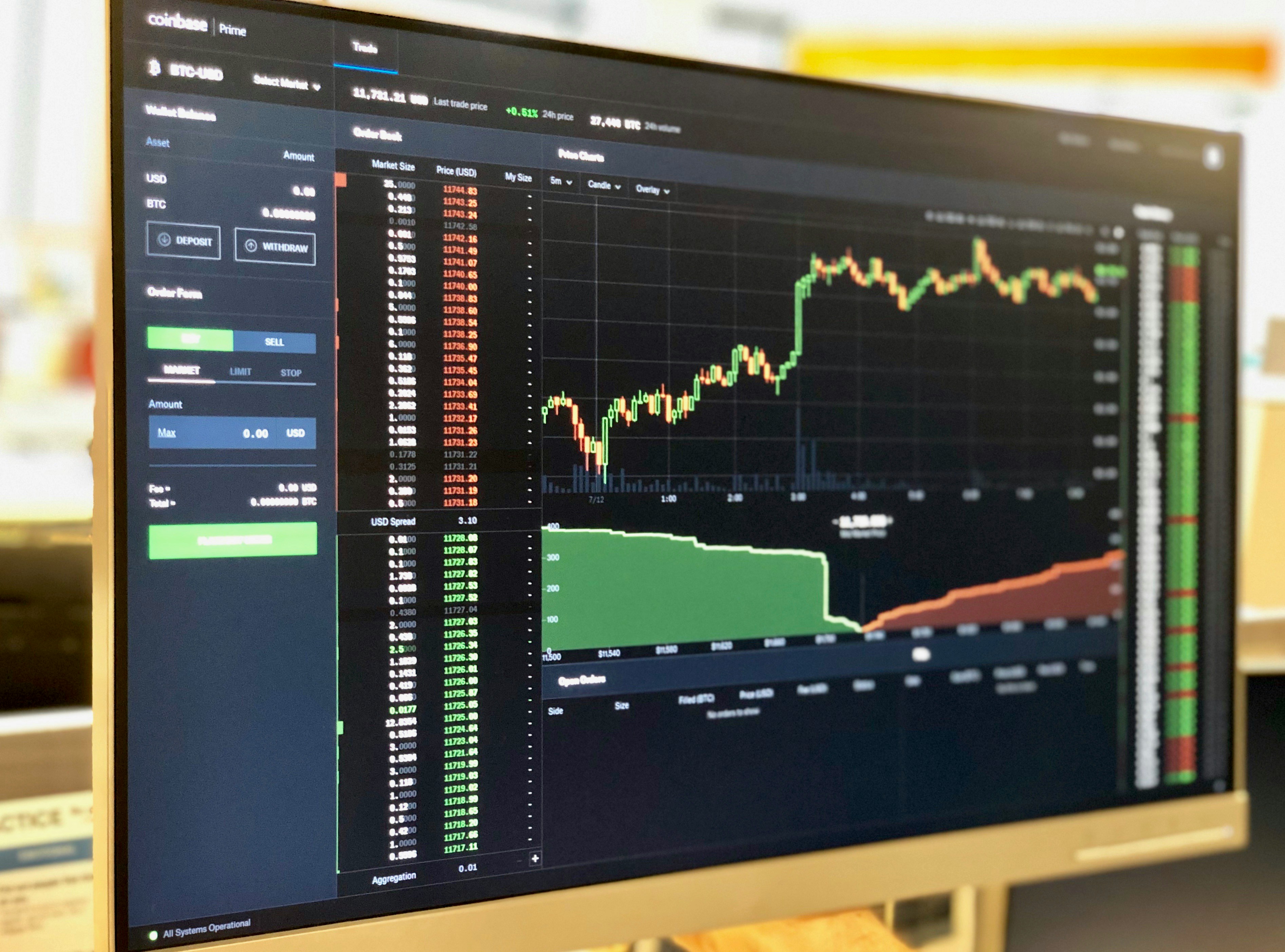
Understanding Cryptocurrency Volatility
Volatility is a defining characteristic of the cryptocurrency market, notably illustrated through the price movements of Bitcoin. This volatility can be attributed to several interrelated factors, each influencing the market landscape and the behavior of investors. One of the primary contributors to cryptocurrency price fluctuations is market sentiment. The perception of Bitcoin’s value can rapidly shift based on news, social media trends, or influential endorsements. Consequently, these sentiment changes can lead to significant price swings in a short period.
Another crucial factor is trading volume. In the cryptocurrency world, low trading volumes can exacerbate price volatility since fewer transactions may result in larger price movements. When many investors rush to buy or sell, even small amounts of trading can disproportionately influence prices. Therefore, active monitoring of trading volume is essential for understanding potential market shifts.
Regulatory news also plays a pivotal role in establishing the price dynamics of cryptocurrencies. As governments consider or implement legislation affecting Bitcoin trading and ownership, investor reactions can lead to sharp price movements. For instance, favorable regulations may encourage investment, while adverse regulatory news could trigger panic selling and a subsequent price drop.
Economic events, such as interest rate changes or inflation reports, can further impact market volatility. Investors often respond to these broader economic indicators, leading to shifts in cryptocurrency investments based on perceived safety and potential returns. Understanding these elements allows investors to interpret Bitcoin’s price fluctuations more effectively.
To navigate this volatility, investors can adopt various strategies, such as diversification, employing stop-loss orders, or dollar-cost averaging. By being mindful of the dynamic interplay between these factors, investors can better manage risk and make informed decisions within the unpredictable cryptocurrency market.
Bitcoin’s Recent Performance: A 24-Hour Snapshot
In the past 24 hours, Bitcoin (BTC) has showcased noteworthy performance, recording a gain of approximately 2.2%. This fluctuation can be attributed to multiple factors, each playing a crucial role in shaping investor sentiment and trading behaviors. Primarily, the increase in trading volume has been instrumental. A surge in activity often signals heightened interest and can lead to price adjustments that align with the latest market dynamics.
One of the significant contributors to this recent uptick was the market sentiment, which appeared to be more bullish compared to previous periods. Many investors are seeking refuge in Bitcoin as a hedge against inflation, encouraged by various geopolitical developments and economic indicators. The impact of social media narratives and influential figures within the cryptocurrency community cannot be overlooked, as they often formulate public perception, causing rapid shifts in trading behavior.
Additionally, specific news events also played a pivotal role in Bitcoin’s performance over this period. Notably, announcements from key financial institutions regarding their plans to incorporate Bitcoin into their portfolios have been widely publicized. Such developments typically foster optimism amongst investors, prompting increased purchases. Many market analysts refer to historical data, including charts and graphs, to analyze these fluctuations, noting patterns that assist in predicting future movements.
Overall, Bitcoin’s 24-hour performance serves as a reminder of the cryptocurrency’s volatility. The interplay of trading volume, investor sentiment, and relevant news events illustrates the complex nature of the market, affirming that even slight changes can lead to notable price shifts. As investors navigate this fluctuating landscape, understanding these factors becomes essential for making informed decisions.
Comparative Analysis: BTC vs. Other Cryptocurrencies
The cryptocurrency market is characterized by its inherent volatility, and Bitcoin (BTC), as the first and most prominent digital asset, often sets the pace. A comparative analysis of Bitcoin’s performance against other major cryptocurrencies, commonly referred to as altcoins, provides valuable insights into these market dynamics. During the recent period marked by significant price fluctuations, Bitcoin exhibited volatility that was both notable and reflective of wider trends within the cryptocurrency sector.
To illustrate this, let us examine popular altcoins such as Ethereum (ETH), Binance Coin (BNB), and Cardano (ADA). While Bitcoin’s price movements are frequently accentuated, altcoins tend to mirror these fluctuations but with variations in amplitude and recovery times. For instance, during a recent market downturn, Bitcoin’s price fell approximately 15%, while Ethereum experienced a more drastic decrease of around 20%. Such differences highlight that while Bitcoin plays a leading role, the relationship with altcoins is complex and marked by both correlation and divergence.
Furthermore, investor sentiment and external market factors play crucial roles in influencing volatility across the board. Market reactions to regulatory news, technological developments, or macroeconomic elements can similarly impact both Bitcoin and altcoins, but often result in different levels of market responsiveness. For example, when Bitcoin experiences a rapid recovery, some altcoins may lag, reflecting their relative maturity and investor confidence.
In review, while Bitcoin remains the benchmark for cryptocurrency performance, its volatility also serves as a compass for understanding wider market behaviors. The patterns of price movement observed in Bitcoin can indicate broader trends that affect altcoin volatility, providing a framework for investors aiming to navigate the complex landscape of digital assets.
Strategies for Investors in a Volatile Market
Navigating the ever-changing landscape of the cryptocurrency market, particularly Bitcoin’s recent fluctuations, requires careful planning and strategic investment practices. Investors are encouraged to adopt comprehensive risk management techniques to safeguard their capital. One effective approach is to set predefined stop-loss orders, which automatically exit a position if the price drops below a specified level, thereby limiting potential losses. This proactive measure is essential in a market characterized by rapid price swings.
Diversification also plays a crucial role in mitigating risks associated with volatility. By spreading investments across various cryptocurrencies, rather than concentrating solely on Bitcoin or a few select assets, investors can reduce the impact of adverse price movements in any single asset class. This approach not only enhances the stability of the investment portfolio but also capitalizes on the potential growth of alternative digital assets.
Furthermore, it is vital for investors to remain vigilant regarding market trends and sentiment. Assessing both fundamental and technical analysis can provide deeper insights into price movements and assist in making informed trading decisions. Fundamental analysis involves evaluating the underlying factors affecting an asset, such as technological advancements and regulatory changes, whereas technical analysis employs historical price data and chart patterns to predict future price movements. By leveraging both analytical approaches, investors can better time their entry and exit points.
Determining the appropriate timing to enter or exit a position is essential in this volatile environment. Investors should remain flexible and responsive to significant market developments, including news events and changes in market sentiment. By combining sound risk management techniques, diversification, and robust analytical strategies, investors can effectively navigate the complexities of the cryptocurrency market, particularly during high volatility phases.
You might also like:
- Iran’s Allegations: The Gulf States and U.S. Military Actions
- Intercontinental Exchange Expands Stake in Polymarket with Significant Investment
- Revitalizing Buyer Interest in IDBI Bank: Government’s Strategic Move
- Funny Humor: Must-Have Jokes for Everyday Activities
- NASA’s Artemis 2 moon astronauts are ‘fortunate’ to salvage a non-public house lavatory — Apollo crews pooped in plastic baggage – Space
