
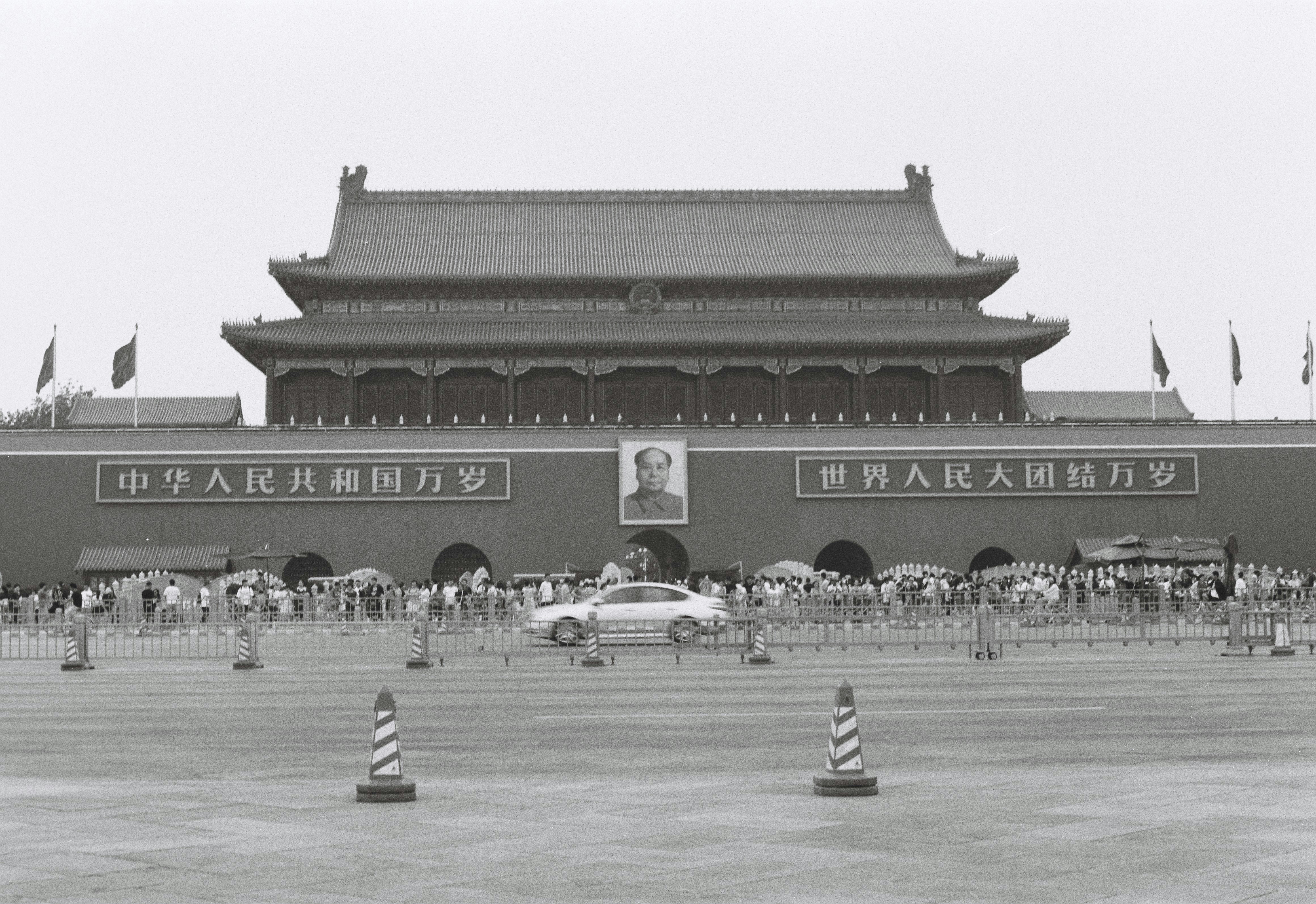
Context of the Summit
The timing of the upcoming summit between President Donald Trump and President Xi Jinping occurs amidst a complex geopolitical climate characterized by heightened tensions not only between the United States and China but also in relation to Russia. The global stage is increasingly fraught with challenges stemming from military posturing, trade disputes, and differing political ideologies. These elements significantly influence the dynamics of U.S.-China relations, as both nations continue to grapple with their respective aspirations and concerns in a fast-evolving international landscape.
In recent months, the relationship between the United States and Russia has entered a new phase marked by ongoing disputes surrounding cybersecurity, military engagements, and regional influences. The implications of these tensions extend beyond the bilateral relations between the two powers, as they reverberate through global geopolitical structures. This background is critical to understanding the strategic context of the upcoming summit, where issues such as cybersecurity, economic policies, and international cooperation will likely take center stage.
Furthermore, the summit comes in the wake of President Trump’s foreign policy approach, which focuses on “America First” while simultaneously navigating complex relationships with key partners, including China. This strategic posture, emblematic of his administration’s inclination toward a more transactional diplomacy, seeks to reassess longstanding economic alliances. As Trump prepares for the APEC conference, where discussions around trade and cooperation among Pacific Rim countries are expected, the summit may serve as an opportunity to recalibrate the U.S.-China relationship within this wider framework.
In light of these circumstances, the upcoming summit holds significant implications not only for U.S.-China dynamics but also for the broader geopolitical landscape, underscoring the urgency for both nations to find common ground amidst prevailing global tensions.
Objectives of the Meeting
The upcoming summit between President Trump and President Xi Jinping is expected to address several significant objectives that are crucial for both nations and the global arena. Primarily, discussions surrounding trade relations will be a focal point, as both leaders aim to resolve ongoing tensions stemming from tariffs and trade imbalances. Strengthening bilateral trade could not only benefit the economies of the United States and China but also stabilize global markets. Efforts will likely include dialogue on trade agreements and enforcement mechanisms to ensure compliance from both parties.
Security cooperation is another essential area where mutual interests may align. With the continuing threat posed by North Korea, the leaders might seek to enhance collaboration on denuclearization efforts. This will require a shared understanding and coordinated approach to maintain regional peace and security. Aside from North Korea, the summit may also address broader security concerns such as cyber threats and maritime security in the South China Sea, which have strained relations in recent years.
Furthermore, climate change is expected to feature in the discussions, as both countries are significant contributors to global carbon emissions. Trump and Xi might explore avenues for cooperation in green technology initiatives and collective commitments to environmental sustainability. Such cooperation could demonstrate a willingness to work together, even in the face of other diplomatic challenges.
In addition to the official agenda, potential backchannel discussions may provide a strategic environment for both leaders to express concerns and negotiate future interactions privately. These discussions can help set a constructive tone, facilitating an atmosphere for future diplomacy between the United States and China. This summit presents a vital opportunity for both nations to refocus their diplomatic engagements while addressing pressing global issues.
Reactions and Expectations
The announcement of the upcoming summit between U.S. President Donald Trump and Chinese President Xi Jinping has elicited a wide array of responses from political analysts, international relations experts, and public figures alike. As the two global powerhouses prepare to engage in dialogue, the international community is keenly observing the unfolding events, anticipating both potential agreements and disagreements that may arise during these crucial discussions.
Many political analysts view this summit as a pivotal moment that could significantly shape the future of U.S.-China relations. The expectation is that the leaders will address pressing issues, including trade policies, intellectual property rights, and regional security. With the ongoing trade tensions and tariffs creating friction between the two nations, there is a shared hope among experts that productive negotiations could lead to a de-escalation of hostilities. Nevertheless, the prospect of substantial agreements remains uncertain and may depend on the willingness of both parties to compromise on their respective stances.
Furthermore, international relations experts highlight the importance of this summit in the context of Great Power Competition. They argue that this meeting could either reinforce or reshape the dynamics between the United States and China, particularly in light of recent geopolitical developments in the Asia-Pacific region. The implications of their discussions may also extend to global diplomacy, influencing how other countries position themselves in relation to both nations.
Potential Challenges Ahead
The upcoming summit between President Trump and President Xi presents a critical opportunity for dialogue amidst rising global tensions. However, several potential challenges could obstruct meaningful discussions. One primary obstacle arises from the conflicting national interests of the United States and China. Both nations have divergent priorities in areas such as trade, military strategy, and territorial disputes, which could lead to confrontational stances during negotiations. For instance, the ongoing trade tensions, characterized by tariffs and trade barriers, underscore the complexities of reaching a mutually agreeable economic framework.
Moreover, domestic politics play a significant role in shaping each leader’s approach to the summit. In the United States, President Trump faces scrutiny from various factions, including bipartisan criticism of his foreign policy. This internal pressure may compel him to adopt a more hardline position against China, potentially escalating tensions further. Conversely, President Xi must navigate the expectations of the Chinese Communist Party, which prioritizes national sovereignty and economic stability. This domestic influence could prompt Xi to resist concessions that may appear to undermine China’s stance on crucial issues.
Furthermore, external factors such as the ongoing situation with Russia, as well as other regional conflicts in Asia, could complicate the agenda. The relationship between the United States and Russia remains fraught, affecting international alliances and positioning. Additionally, China’s influence in regions like the South China Sea presents another layer of complexity that could influence discussions between Trump and Xi.
To navigate these challenges effectively, both leaders must demonstrate a willingness to compromise and explore collaborative solutions. How they manage these potential hurdles will significantly impact future diplomatic engagements between these global powers.
You might also like:
- Zcash (ZEC) Price Development and Key Figures: A 24-Hour Snapshot
- International Law and Diplomatic Tensions: Türkiye’s Arrest Warrants for Israeli Officials
- Understanding the MNT Coin Market Today
- Unveiling Samsung’s Tri-Fold Smartphone: The Future of Mobile Technology
- The Resilience of Tech Stocks: A Boost to Your Investment Portfolio